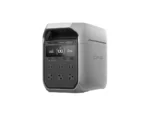
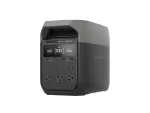
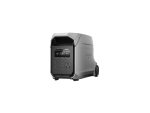
How the EcoFlow lineup fits together
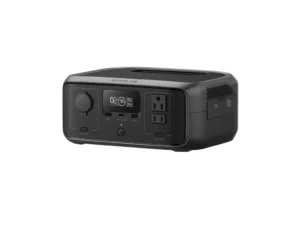
TRAIL is the lightest end of the range. These packs are built around USB and 12V DC power, not household AC. They make sense for phones, cameras, laptops, lights and camping electronics when every pound matters.
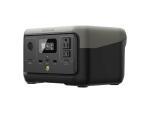
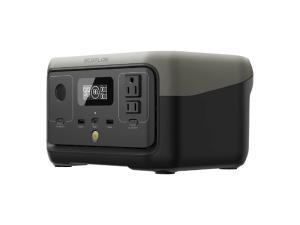
RIVER is the compact AC family. A RIVER is a better starting point when you need normal wall outlets but still want something easy to carry. RIVER 3 and RIVER 3 Plus improve backup switching, while the larger RIVER 2 Pro provides more battery capacity for longer trips and lighter outage duty.
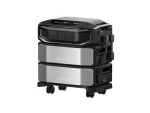
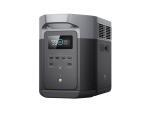
DELTA is the center of EcoFlow’s lineup and will fit the widest range of buyers. The 1kWh DELTA 3 models can run many common appliances without becoming extremely heavy. DELTA 3 Max and Max Plus move into 2kWh territory, while DELTA 3 Ultra and Ultra Plus deliver 3kWh batteries and 3.6kW AC output for more demanding loads.
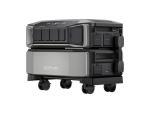
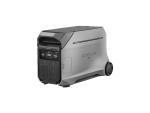
DELTA Pro and Ultra are aimed at serious backup. These systems add larger batteries, 120/240V capability on key models, extra-battery expansion and deeper integration with EcoFlow home hardware. They can be very capable alternatives to a fixed battery system for buyers who value modularity, but weight, cost and installation requirements rise quickly.
Where EcoFlow stands out
EcoFlow’s biggest advantage is that the hardware, charging options and software ecosystem are developed together. Fast AC charging is common, solar support is broad, and the EcoFlow app is useful for monitoring input, output, battery state and operating modes. The company also offers extra batteries, alternator chargers, smart generators and home panels that can turn a single power station into part of a larger backup system.
Battery chemistry is another strength across much of the current range. Most modern RIVER and DELTA models use LFP cells with long cycle-life ratings. Some specialized products use different chemistry to meet weight or packaging goals, so chemistry should still be checked model by model rather than assumed from the brand name.
What to watch before buying
The main tradeoffs come with the higher-end systems. Large DELTA Pro and Ultra setups can become expensive and heavy, and accessory compatibility is not identical across every generation. Extra batteries, alternator chargers and home-integration hardware should be matched to the exact model before purchase. It is also worth separating rated AC output from X-Boost, which can help certain resistive loads but does not turn a smaller inverter into a true higher-wattage inverter.
For most buyers, EcoFlow is easiest to shop by starting with three numbers: the watts your largest appliance needs, the watt-hours of runtime you want, and the charging source you expect to use. Once those are clear, the wide model range becomes an advantage rather than a complication.