
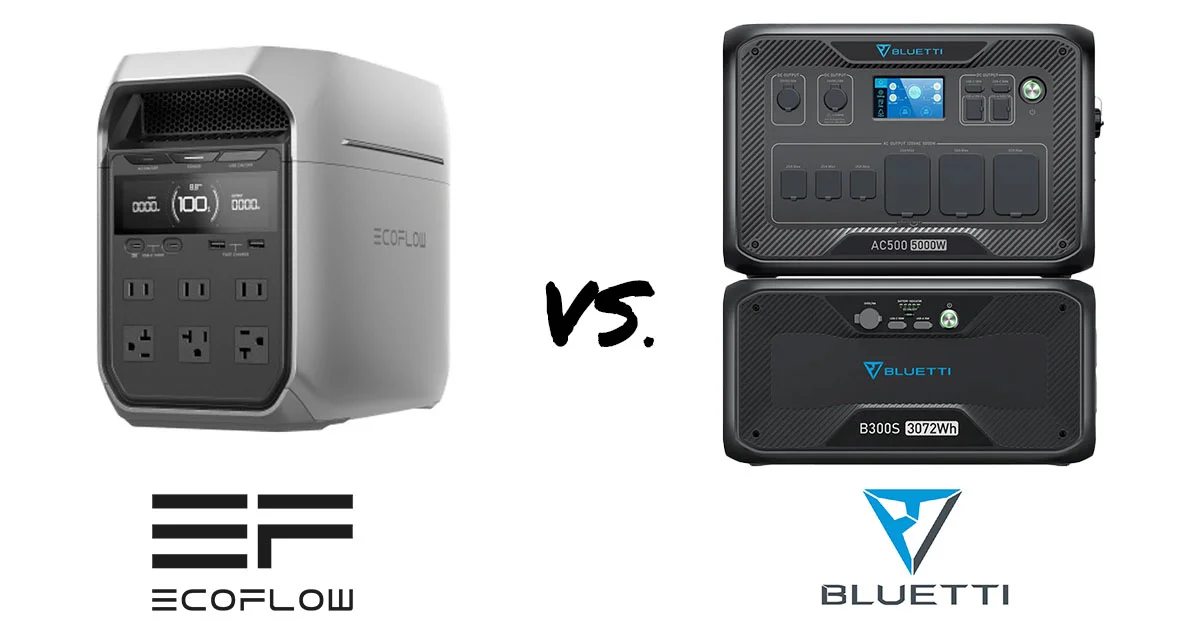
When it comes to heavy-duty devices, the stakes are high. You have big energy needs through power outages and off-grid adventures, and you need a system that can keep up with those demands. In this comparison of the EcoFlow Delta Pro 3 vs. Bluetti AC500, we examine two industry-leading power stations to see which is better.
We’ll dig through the specs to highlight the real-world takeaways that matter most. Our expert analysis gets rid of baseless marketing claims to translate fine details into normal language. By reviewing what these can power and for how long, you can determine which is the right choice for your needs. Will either one of these be fit for you needs or should you find something else to use?
Let’s see how the EcoFlow Delta Pro 3 and Bluetti AC500 perform when placed under the microscope.
We carefully select the products and services we link to. If you buy through our links, we may earn a commission. There’s no extra cost to you and it helps us provide this information.

Power Station Face-Off: Battle of Watts
The EcoFlow Delta Pro 3 and Bluetti AC500 are two titans coming from brands you can trust. Which one reigns supreme for your needs? These power stations promise to keep your gear running smoothly and both have impressive specs to back up the bold claims.
In many ways, these are incredibly similar choices with bigtime power and serious battery capacity. The each have high-amp outputs and offer modular systems that can grow as your demands do. But as with any showdown, there’s always a victor.
The EcoFlow Delta Pro 3 emerges as the winner in this matchup thanks to its well-rounded design and a few critical advantages:
- Larger internal battery and highest full-system AC output
- Longer warranty coverage
- Single-unit 240V output with multiple high-amp options
- Unique EcoFlow home integration subpanel, dual fuel generator, and car charging system
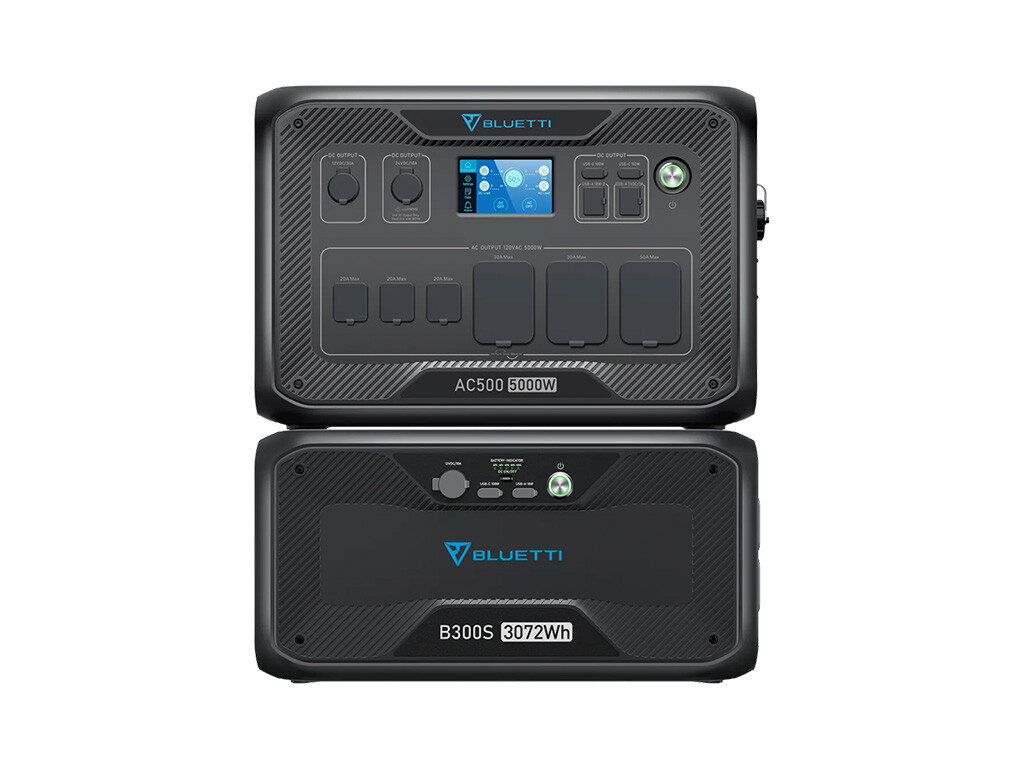
Don’t dismiss the Bluetti AC500 too quickly. It brings its own set of advantages that can catch your eye:
- More powerful single-unit AC inverter
- Higher single-unit solar input
- Easier to carry
Other crucial factors are the price and value. To even out this comparison, we’ll focus on the price per watt-hour of battery ($/Wh). Although the prices are in the same ballpark and change due to frequent sales, EcoFlow typically has a lower per-Wh price around $0.90 or lower. This Bluetti AC500 price can be upwards of $1.30 per Wh, but it comes with an extra 1,000W of AC output. The value is very much a toss-up.
In the end, the EcoFlow Delta Pro 3 edges ahead due to its larger internal battery and 240V output with just one unit. It also brings an extra year of warranty coverage plus an incredible lineup of EcoFlow accessories like the Smart Home Panel, Dual Fuel Generator, and Alternator Charger. Yet the Bluetti AC500 is an excellent runner-up, especially for single-unit use where it has a more powerful AC inverter and more solar input.
Get 5% off most EcoFlow orders with SOLARWAY5OFF discount code. Our EcoFlow Prices and Sales page has more money-saving details.
|
|
EcoFlow DELTA Pro 3 |
DP3 on EcoFlow DP3 on Amazon |
|
|
BLUETTI AC500 + B300S Home Battery Backup |
AC500 on Bluetti AC500 on Amazon |
In-Depth Comparison: EcoFlow Delta Pro 3 vs. Bluetti AC500
Picking between these two heavyweight champions is not easy. Now it’s time to take a closer look into the specs that matter most so you can make the best decision for your specific needs.
Here is how we’ve organized the key points of comparison:
- Inverter Power and Connections
- Battery Capacity and Longevity
- Charging Speeds
- Size and Weight
- Full Spec Table
- Which Is Better?
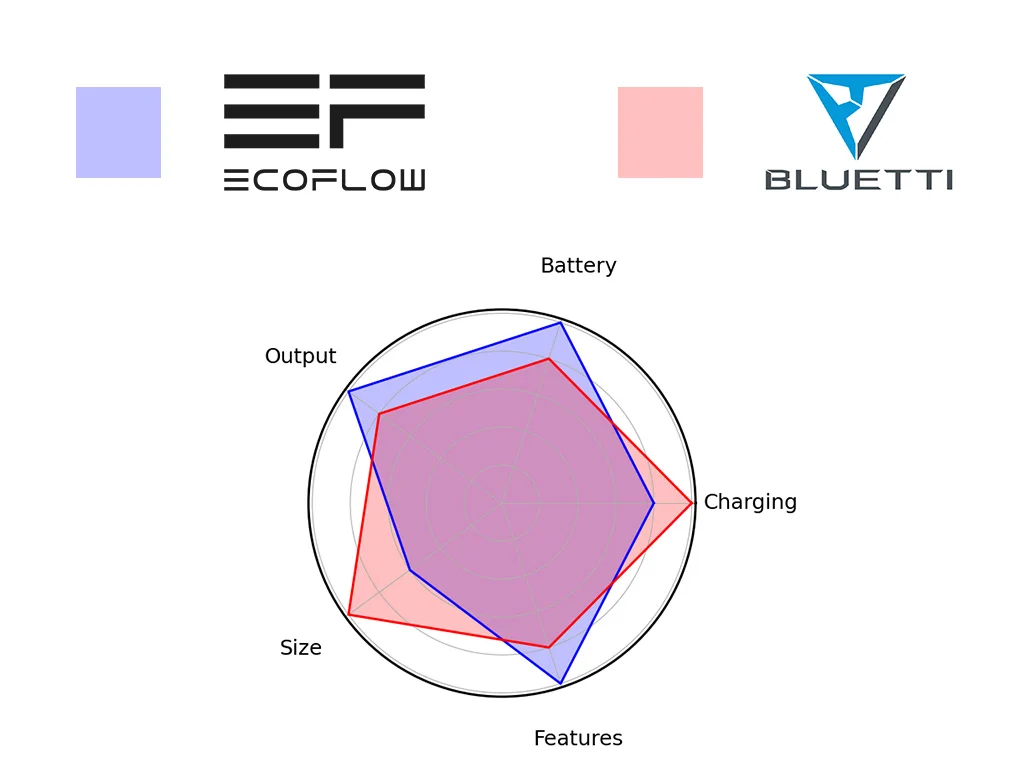
Inverter and Outputs: Powering Everything from Fridges to Full Homes
Power stations aren’t just for camping trips anymore. With beasts like the EcoFlow Delta Pro 3 and Bluetti AC500, you’re looking at serious home backup potential. These power stations are built around their inverters, the tech that converts DC battery power into the same type that runs through your home’s outlets (AC).
The bigger the inverter, the more demanding devices you can power at once. Think refrigerators, microwaves, power tools, or even an entire home during a blackout. If you want to run a whole-home air conditioner with other devices, then you’ll likely need at least two units from ether brand. But these heavy-duty options can almost anything you throw at them.
AC Output and Outlets
The EcoFlow Delta Pro 3 comes with a 4,000W continuous output, but Bluetti’s AC500 pushes a bit further with 5,000W continuous output. Both have high-amp outputs, but they differ slightly:
- EcoFlow: 4,000W with two 240V outlets (6-20R & L14-30) plus an extra 120V / 30-amp outlet (TT-30R)
- Bluetti: 5,000W with two 30-amp outlets (L14-30 & TT-30) and one 50-amp outlet (NEMA14-50), but no 240V from one unit
Bluetti starts off ahead with a more powerful inverter paired with 30-amp and 50-amp choices. But EcoFlow fights back with a host of high-output options include two that can offer 240V. You cannot get 240V from one Bluetti AC500.
This single-unit output capability is important, yet it’s just a starting point. These power stations are designed to work with more than one inverter unit paired together, feeding big power without sacrifice. This modular design can handle even more energy-intensive setups, like powering some air conditioners alongside a kitchen full of appliances.
And here’s where EcoFlow goes above by linking up to three DP3 units together, boosting total output to a staggering 12,000W. Bluetti limits this to two units, reaching a maximum 10,000W output. This split-phase connection is also how you can get 240V from the AC500.
Nonstop Power: Transfer Switches and UPS Function
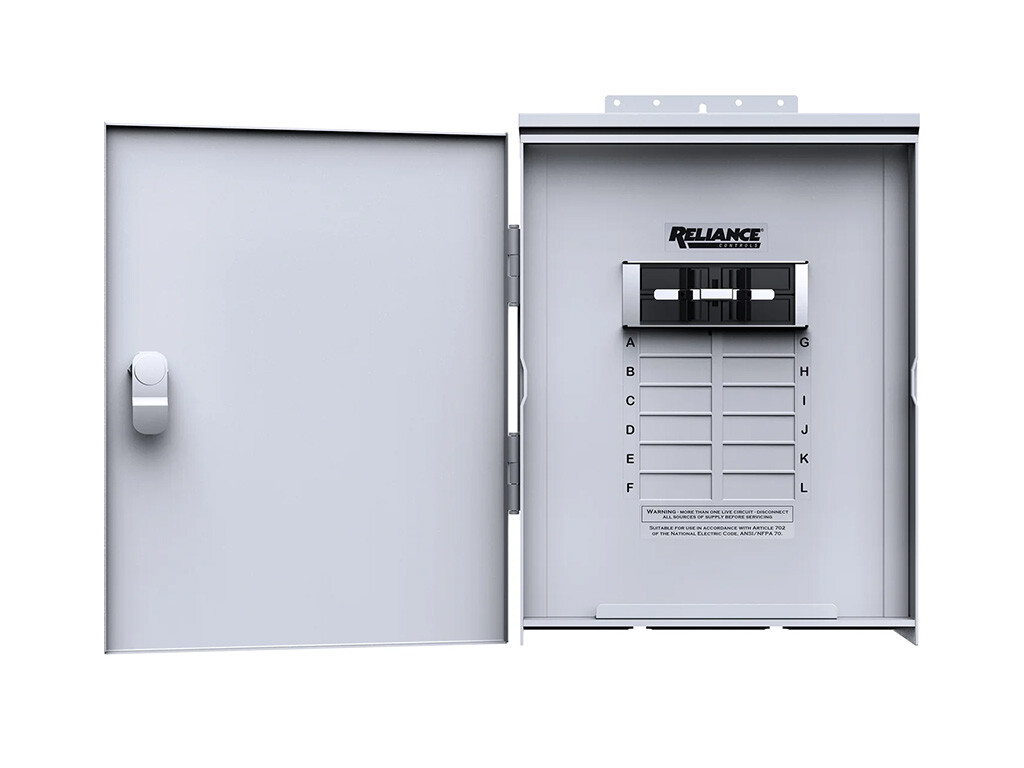
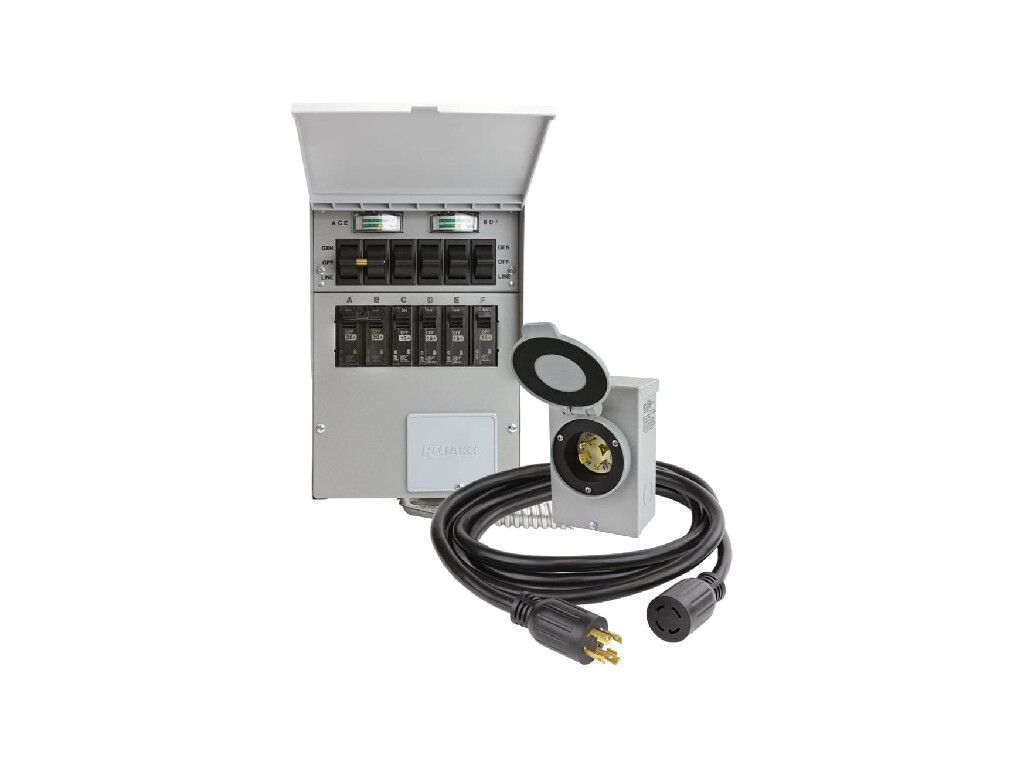
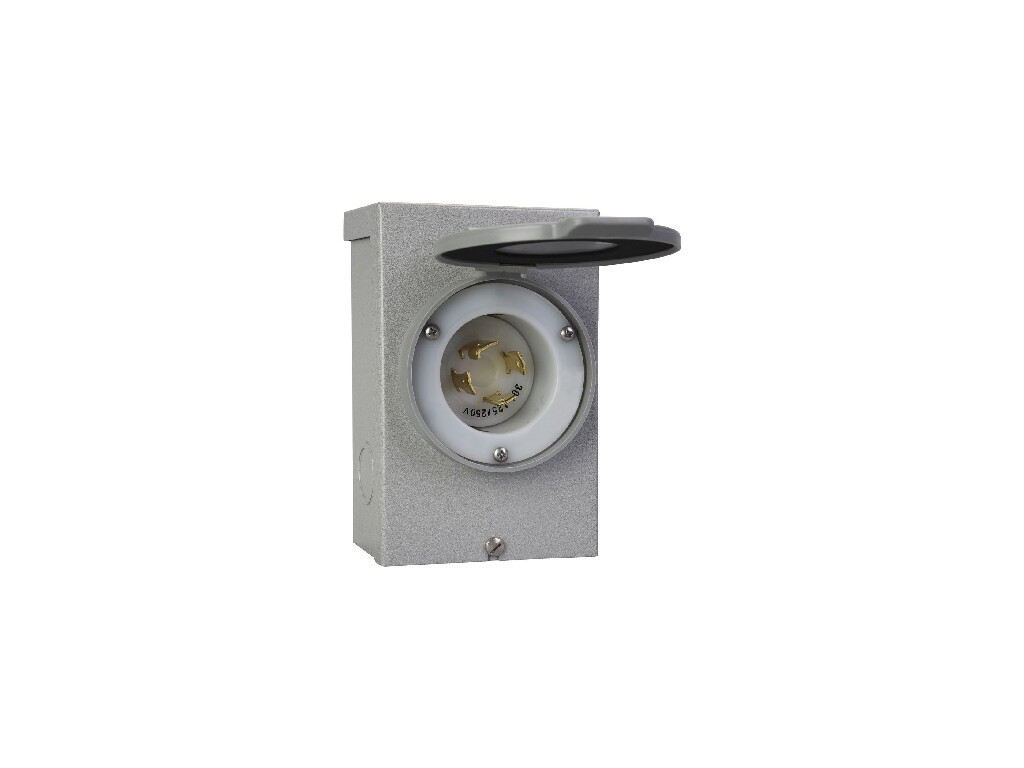
The EcoFlow Delta Pro 3 and Bluetti AC500 offer solutions for integrating with your home’s electrical system. While you can use a simple generator inlet (with a proper interlocking mechanism to avoid back-feeding the grid), a critical loads panel and transfer switch does the job much better. The Bluetti and EcoFlow can both use this universal option and other similar ones. The main flaw to this setup is that you must manually flip a switch to change from grid power to power station battery backup. This is the primary choice for the Bluetti and we recommend sticking with Reliance brand options.
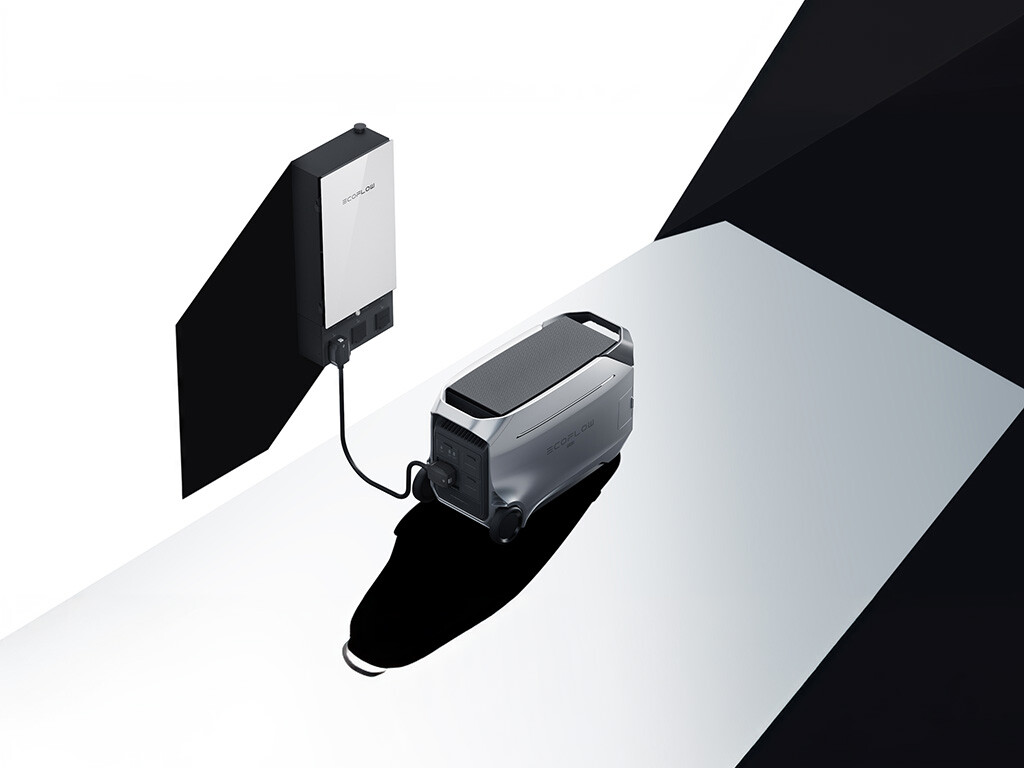
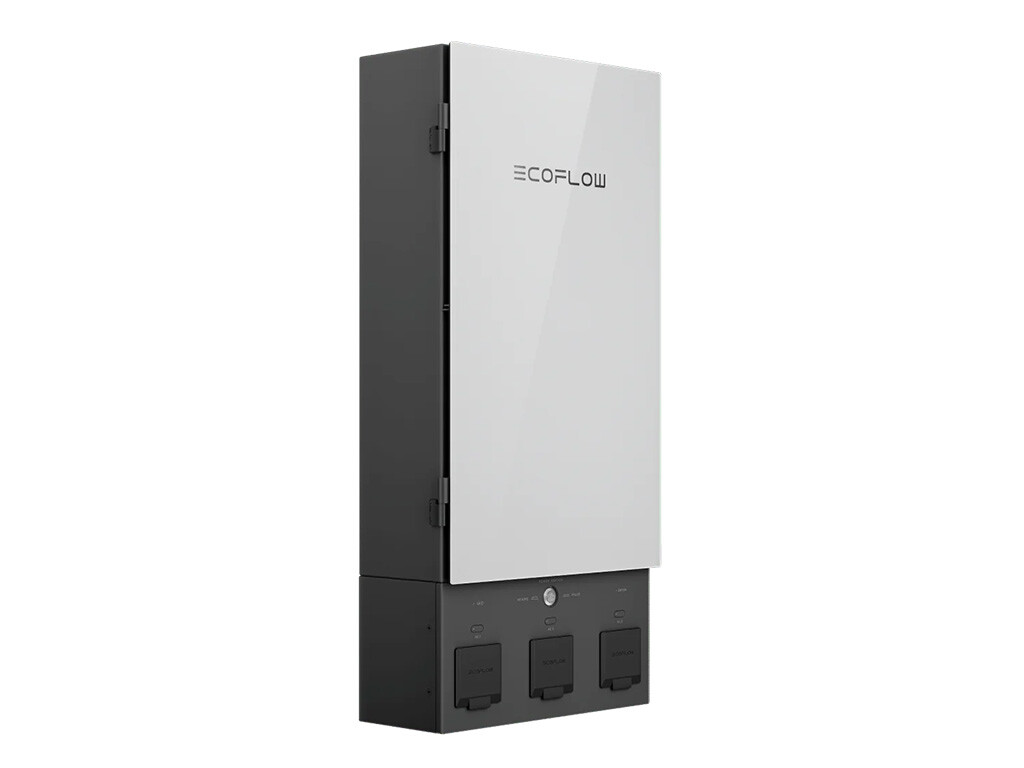
Our favorite home integration method is the intelligent EcoFlow proprietary transfer switch, the EcoFlow Smart Home Panel 2. It’s an automatic transfer switch and critical loads panel, meaning it will automatically detect a grid outage and change to the Delta Pro 3 power. This is an advanced device that brings the DP3 home integration to the next level. Through its app connection, you can view intricate details about charging and usage, plus manage a variety of settings from anywhere in the world.
When using the power station directly, many of us have computers and other sensitive devices that we want to keep powered on through grid outages. Even a quick moment without power can mean serious data loss or damage. This is where the uninterruptible power supply (UPS) function comes to the rescue.
The UPS feature ensures that your critical devices stay powered during an outage by seamlessly switching from grid power to battery backup. And both devices handle this function with precision, when devices are plugged directly into them (or when you use the EcoFlow Smart Home Panel 2):
- EcoFlow Delta Pro 3: With a lightning-fast transfer time of <10ms, this is ideal for sensitive electronics like computers, WiFi routers, and medical devices. That quick switch means you won’t even notice when the power goes out.
- Bluetti AC500: The AC500 offers a solid UPS transfer time of <20ms, still fast enough for most sensitive devices but just a hair slower than the Delta Pro 3.
|
EcoFlow Smart Home Panel 2 |
SHP2 on EcoFlow |
|
Reliance Controls 306CRK Transfer Switch Kit |
Buy on Amazon |
|
Reliance Controls PB30 30-Amp Generator Inlet Box |
Buy on Amazon |
DC Ports: Maximizing Battery
On top of the AC outlets, these also have a variety of DC ports. When possible, using these ports will help to maximize your battery life. The AC inverter consumes some energy itself. For powering very small devices or tackling a DC fuse box, these ports are essential.
Here’s a look at the DC connections:
- EcoFlow Delta Pro 3:
- 2 x USB-C ports (perfect for fast-charging laptops and phones)
- 2 x USB-A ports
- 1 x 30-amp Anderson DC port (can power a DC fuse box)
- 1 x DC 5521 barrel plug (great for CPAPs)
- Bluetti AC500:
- 2 x USB-C ports
- 4 x USB-A ports
- 1 x 30-amp RV port (can power a DC fuse box)
- 1 x 12V car cigarette lighter port (great for portable fridges)
- 2 x 15W wireless charging pads
Output Verdict: The EcoFlow Delta Pro 3 has many advantages with its inverter and outputs. The 240V support, ability to link up to three units for 12kW total, and the incredible EcoFlow Smart Home Panel 2 create a better home backup system. Yet the Bluetti AC500 excels in RV and off-grid setups with its 50A high-amp output and more powerful inverter within each unit. It also has more DC outputs, including wireless charging pads and more USB ports.
| Product | EcoFlow DELTA Pro 3 | Bluetti AC500 |
|---|---|---|
| AC Output | 4,000W | 5,000W |
| AC Output (System Max) | 12,000W | 10,000W |
| AC Output Peak | 8,000W | 10,000W |
| 120V Outlets | 5 (1xTT-30R) | 6 total (3x20A; 2x30A; 1x50A) |
| 240V Outlets | 2 (L14-30 & 6-20R) | – |
| UPS / EPS | 10ms | 20ms |
| USB-A Ports | 2x18W | 2x15W; 2x18W |
| USB-C Ports | 2x100W | 2x100W |
| Other DC (Anderson or other) | 1x378W (30A) | 30A |
| DC 5521 (Barrel Plug) | 1x63W 5A | – |
| Cigarette Lighter | – | 1x240W |
| Wireless Charging Pad | – | 2x15W |
| Connectivity | WiFi / Bluetooth | WiFi / Bluetooth |
Battery Details: How Long Will They Power Your Devices?
Battery capacity determines how long your devices will stay powered. Measured in watt-hours (Wh), it tells you how much energy a power station can store. The higher the watt-hour number, the more you can power, and the longer you can go without needing to recharge.
If you know the watt-hours of the battery and the wattage of the devices you power, you can calculate how long the power station will run. It’s just the watt-hours divided by the watts. For real-world use, you should assume about 20% less due to inefficiencies, things like inverter losses, heat, and energy wasted through connections. Wh / W x 0.8 = Hours of runtime estimate.
For example, let’s say you use the Bluetti and its 3,000Wh battery to power 500W worth of electronics. 3,000Wh / 500W x 0.8 = 4.8 hours of runtime.
Here’s how that setup might look:
- Refrigerator: 250W (500W fridge running half the time)
- Laptop: 60W
- WiFi Router: 10W
- 50-inch TV: 150W
- LED Lights (x3): 30W total
But what if you throw in something more demanding?
- Microwave: 1,000W
- Hair Dryer: 1,500W
- Electric Kettle: 1,200W
These three devices pull 3,700W. That same 3kWh battery would only last an hour. The same result for a large 3,000W air conditioner.
That’s when the extra battery units step up to the plate for either the EcoFlow Delta Pro 3 or Bluetti AC500. If you’re planning for serious home backup or off-grid use, this is a critical feature. Here’s what the maximum systems look like:
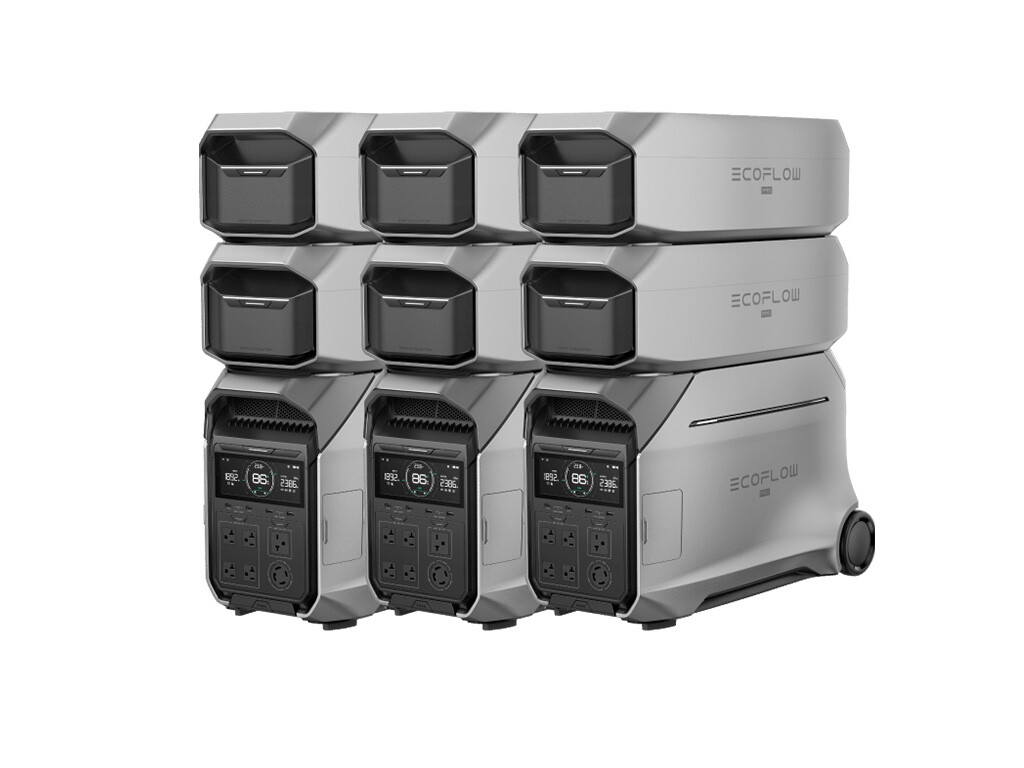
- EcoFlow Delta Pro 3: Up to nine 4.1kWh batteries in total for 36.9kWh (three DP3 units and six extra batteries)
- Bluetti AC500: Up to twelve 3.1kWh batteries in total for 36.9kWh (two AC500 units and twelve external batteries)
|
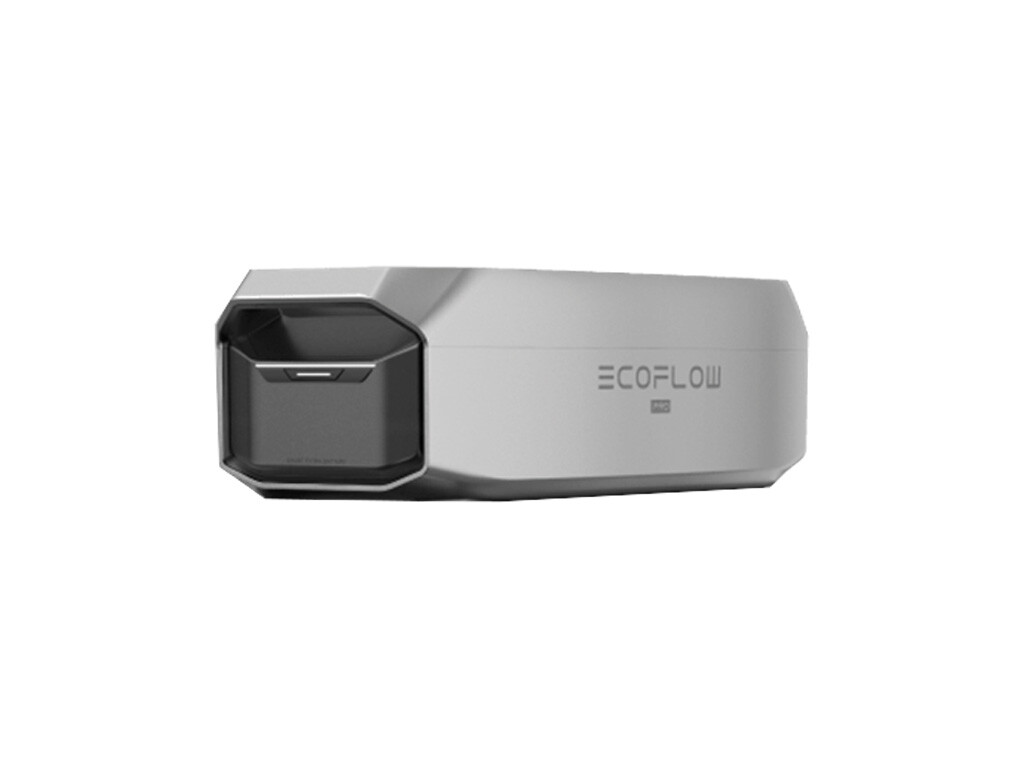
EcoFlow DELTA Pro 3 Smart Extra Battery |
Buy on EcoFlow Buy on Amazon |

|
BLUETTI B300S Expansion Battery |
Buy on Bluetti Buy on Amazon |
While these have the exact same maximum capacity, the EcoFlow does it with fewer units. It also includes ones battery inside the DP3, while the AC500 must always rely on an external battery.

LiFePO4 batteries, known for their longevity and safety, are found within these batteries from either brand. Each device is rated for around at least 3,000 or 3,500 cycles before the battery degrades to less than 80% its original capacity. In everyday terms, this means you could use your power station every day for 8 to 10 years before noticing a significant loss in capacity. These are serious investments built to withstand the test of time.
Speaking of long-term concerns, warranty is key when investing in a high-end power station. The EcoFlow Delta Pro 3 comes with a 5-year warranty, while the Bluetti AC500 offers a 4-year warranty. Both offer peace of mind, but EcoFlow’s extended coverage is a major bonus.
Battery and Warranty Verdict: Both offer the same 36.9kWh maximum capacity. Yet the EcoFlow Delta Pro 3 offers a larger 4.1kWh internal battery, while the Bluetti batteries (all external) are 3.1kWh at most. EcoFlow also has the clear advantage with an extra year of warranty coverage.
| Product | EcoFlow DELTA Pro 3 | Bluetti AC500 |
|---|---|---|
| Battery | 4,096Wh | 3,072Wh |
| Battery (System Max) | 36,864Wh | 36,864Wh |
| Warranty | 5 years | 4 years |
| Battery Type | LiFePO4 / LFP | LiFePO4 / LFP |
| Battery Cycles | >3,000 | >3,500 |
Charging Speeds: Keeping the Power Flowing
When you’re relying on portable power stations, how quickly they recharge can make all the difference. Whether it’s from solar panels soaking up the sun or plugging into a wall outlet, faster charging means less downtime.
Both the EcoFlow Delta Pro 3 and Bluetti AC500 offer impressive charging options, but they differ in a few key areas.
Let’s start with AC charging, the fastest way to top off these power stations when you have access to a standard wall outlet. Both can use nearly 5,000W of AC power, which is more than a full 240V 15A outlet can provide. These are going to be limited to the outlets you can connect, but AC charging is not a concern, filling up these batteries in about an hour when you can max them out. Bluetti has a slight advantage but it’s not a major difference in real-world applications.
That is until you reach for a fuel generator. By using these solar generators with a fuel generator, you can have a lot of confidence to power through any storm. Most inverter fuel generators with pure sine wave output can be fed into the DP3 or AC500 AC charging inputs.
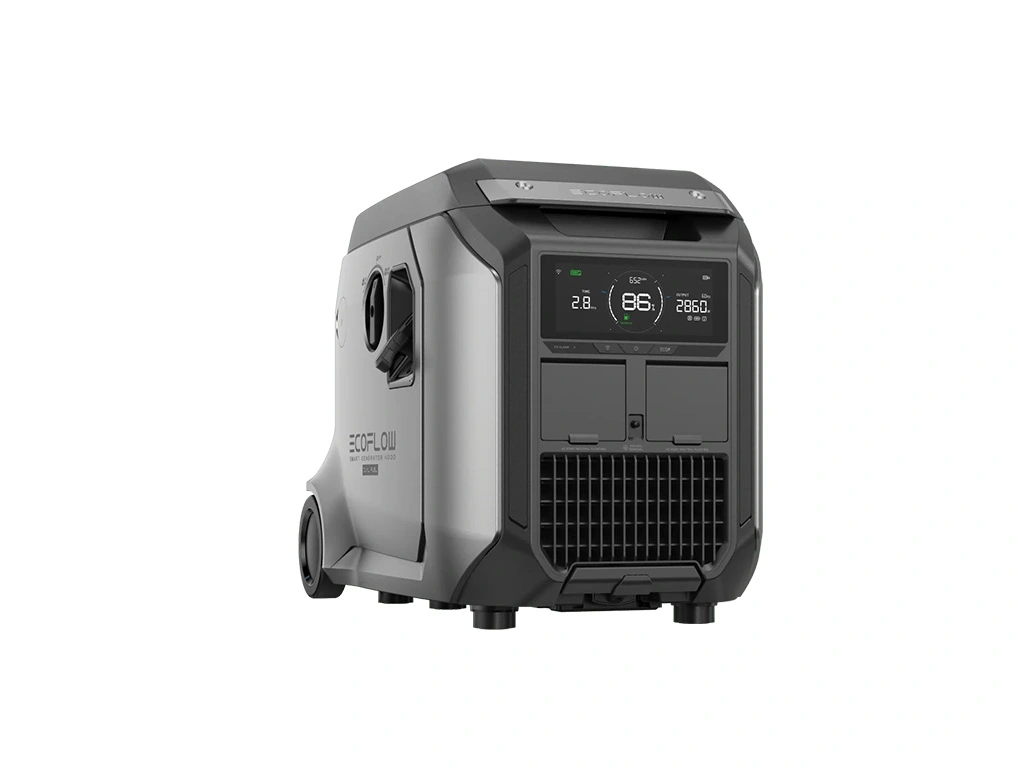
Yet EcoFlow has another trick up its sleeve, the EcoFlow Smart Generator 4000 (Dual Fuel). Its specialized DC port boosts charging rates to the moon. And this connects to your phone through an app with electric start/stop, including an automatic feature that cycles on and off according to set battery levels. This Smart Generator is a big advantage over any regular inverter fuel generator.
Car charging can be quite the challenge for these heavy-duty power stations. The usual 12V cigarette lighter ports only dish out 120W, so that will take more than 10 hours to make a dent charging these large batteries.
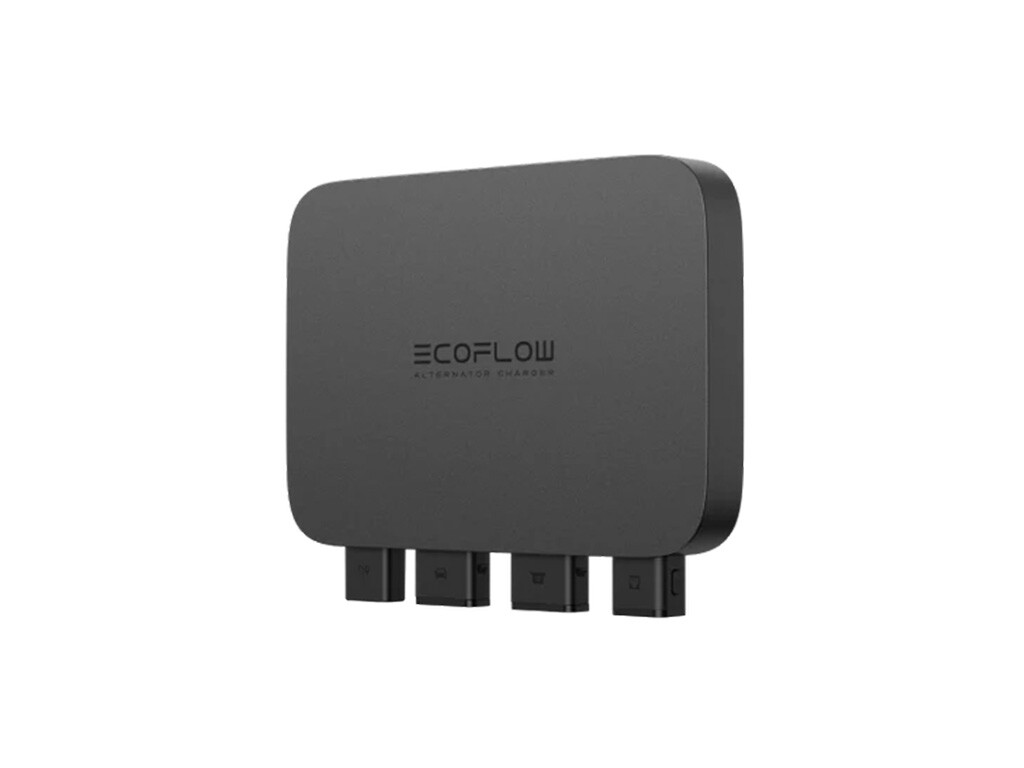
There are some universal power station car chargers that will work with the Bluetti or EcoFlow. But once again, EcoFlow has the advantage here with a proprietary device. The EcoFlow 800W Alternator Charger connects to your vehicle’s electrical system to rapidly charge your Delta Pro 3. It has the added benefit of being able to reverse direction and maintain or charge a dead car battery from the DP3.
|
EcoFlow Smart Generator 4000 (Dual Fuel) |
4kWSG on EcoFlow |
|
EcoFlow 800W Alternator Charger |
EFAC on EcoFlow EFAC on Amazon |
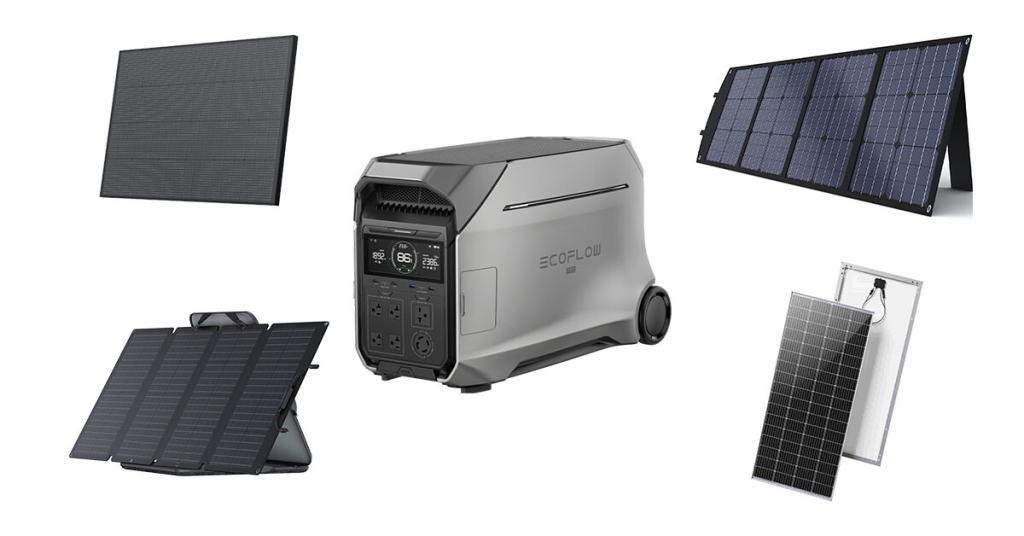
Solar charging is another crucial consideration. Solar input refers to how much power the station can take in from solar panels. The higher the input, the faster you can recharge. Now is a good time to calculate your solar panel needs.
- Bluetti AC500 leads with a solar input of 3,000W, recharging in less than 1.5 hours in optimal sun.
- EcoFlow Delta Pro 3 offers a slightly lower solar input at 2,600W spread across two inputs, recharging its larger battery in less than 2 hours of peak sunlight.
Although Bluetti has more solar input from a single AC500, that difference flips when using the full system. Since you can use three DP3 units together, you can use up to 7,800W in total for the EcoFlow system but only 6,000W for two Bluetti AC500 power stations.
Pay close attention to the specs to get the most. Bookmark our tool that helps maximize solar charging without damaging your power station.
Check out our full list of solar panels for the Delta Pro 3. We’ve done the hard work to bring you a curated list of the best solar panel that max out both solar inputs.
Charging Verdict: With more maximum solar, a unique Dual Fuel Generator, and the available EcoFlow Car Charger, the Delta Pro 3 takes the lead with charging abilities. The Bluetti offers faster single-unit solar and slightly faster AC rate, which are still very impressive. It’s just hard to keep up with the lineup of proprietary EcoFlow devices that work seamlessly with the DP3.
| Product | EcoFlow DELTA Pro 3 | Bluetti AC500 |
|---|---|---|
| AC Input | 4,800W | 5,000W |
| AC Recharge Hours (Est.) | 1h | 0.7h |
| Solar Input | 2,600W | 3,000W |
| Solar Recharge Hours (Est.) | 1.9h | 1.2h |
| Solar Input (System Max) | 7,800W | 6,000W |
| Solar Input 1 Watts | 1600W | 3000W |
| Solar Input 1 Volts Min | 30V | 12V |
| Solar Input 1 Volts Max | 150V | 150V |
| Solar Input 1 Amps | 15A | 15A |
| Solar Input 2 Watts | 1000W | – |
| Solar Input 2 Volts Min | 11V | – |
| Solar Input 2 Volts Max | 60V | – |
| Solar Input 2 Amps | 20A | – |

Built to Move: Portability and Size
A big advantage of the power station devices is that they aren’t permanently bolted down. They are portable. You don’t have to abandon them when you move or when you go for an adventure.
For these heavy-duty units, they’re able to pull some serious specs at the cost of having serious weight. These big batteries, powerful inverters, and countless connections all add up. Throw in the extra batteries and the size can be a little much.
In the comparison of the Delta Pro 3 and Bluetti AC500, there’s one major difference. Bluetti does not include an internal battery in the AC500. And that makes it smaller and lighter, weighing 66lbs (30kg). The EcoFlow Delta Pro 3 includes its beastly 4.1kWh battery inside, pushing its weight up to over 110lbs (50kg).
This makes the Bluetti much easier to handle to move around. But you have to deal with the extra battery too. EcoFlow is heavier but all in one unit.
The other side of that coin is the number of units. Since each Bluetti can use up to two AC500 units and twelve total batteries, that 14 units to deal with. EcoFlow keeps things more streamlined, with three DP3 units and six extra battery units, for 9 units in total.
Portability Verdict: Bluetti takes the win in this category, using an external battery design to make for more manageable movement. However, the downside is that a full AC500 system has up to 14 total units. The EcoFlow Delta Pro 3 is heavy, but even a full system is only 9 units in total.
| Product | EcoFlow DELTA Pro 3 | Bluetti AC500 |
|---|---|---|
| Weight (lbs) | 113.5lbs | 66.2lbs |
| Weight (kg) | 51.5kg | 30kg |
| Dimensions (in) | 27.3×13.4×16.1in | 20.5×12.8×14.1in |
| Dimensions (mm) | 693x341x410mm | 520x325x358mm |
Spec Comparison Table
We’ve gone over a lot of details to find the truth. Now we have one big spec comparison chart, side-by-side for easy reference:
| Product | EcoFlow DELTA Pro 3 | Bluetti AC500 |
|---|---|---|
| Battery | 4,096Wh | 3,072Wh |
| Battery (System Max) | 36,864Wh | 36,864Wh |
| AC Output | 4,000W | 5,000W |
| AC Output (System Max) | 12,000W | 10,000W |
| AC Output Peak | 8,000W | 10,000W |
| AC Input | 4,800W | 5,000W |
| AC Recharge Hours (Est.) | 1h | 0.7h |
| Solar Input | 2,600W | 3,000W |
| Solar Recharge Hours (Est.) | 1.9h | 1.2h |
| Solar Input (System Max) | 7,800W | 6,000W |
| Warranty | 5 years | 4 years |
| Weight (lbs) | 113.5lbs | 66.2lbs |
| Weight (kg) | 51.5kg | 30kg |
| Dimensions (in) | 27.3×13.4×16.1in | 20.5×12.8×14.1in |
| Dimensions (mm) | 693x341x410mm | 520x325x358mm |
| Solar Input 1 Watts | 1600W | 3000W |
| Solar Input 1 Volts Min | 30V | 12V |
| Solar Input 1 Volts Max | 150V | 150V |
| Solar Input 1 Amps | 15A | 15A |
| Solar Input 2 Watts | 1000W | – |
| Solar Input 2 Volts Min | 11V | – |
| Solar Input 2 Volts Max | 60V | – |
| Solar Input 2 Amps | 20A | – |
| Battery Type | LiFePO4 / LFP | LiFePO4 / LFP |
| Battery Cycles | >3,000 | >3,500 |
| 120V Outlets | 5 (1xTT-30R) | 6 total (3x20A; 2x30A; 1x50A) |
| 240V Outlets | 2 (L14-30 & 6-20R) | – |
| UPS / EPS | 10ms | 20ms |
| USB-A Ports | 2x18W | 2x15W; 2x18W |
| USB-C Ports | 2x100W | 2x100W |
| Other DC (Anderson or other) | 1x378W (30A) | 30A |
| DC 5521 (Barrel Plug) | 1x63W 5A | – |
| Cigarette Lighter | – | 1x240W |
| Wireless Charging Pad | – | 2x15W |
| Connectivity | WiFi / Bluetooth | WiFi / Bluetooth |
| User Manual | User Manual | User Manual |
| Buy Now | Buy DP3 | Buy AC500 |
| Buy on Amazon | DP3 on Amazon | Bluetti AC500 on Amazon |
Final Showdown: Which Power Station Is Better?
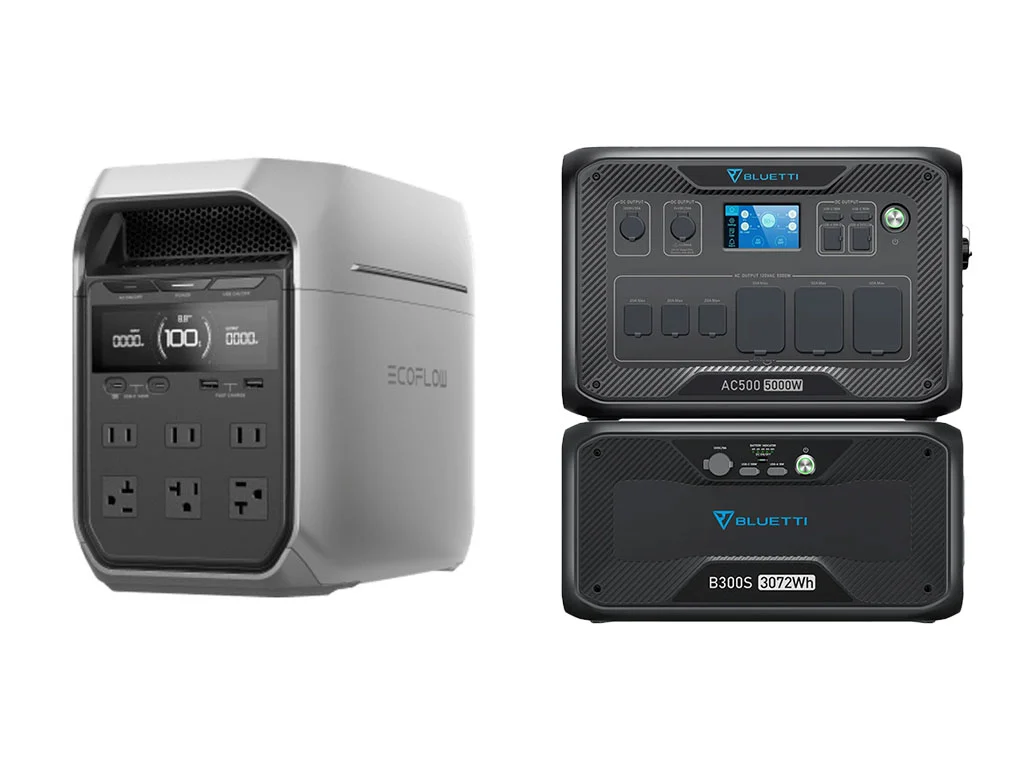
After diving deep into the comparison between the EcoFlow Delta Pro 3 and Bluetti AC500, it’s clear that both power stations bring serious power and features to the table. In many ways, they’re extremely capable of handling whole-home power or big adventure needs.
Each power station has unique pros and cons. Choosing the right one depends on your specific needs.
Here’s a quick recap of the key takeaways:
- Inverter & Output: The Bluetti AC500’s higher single-unit output 5,000W beats the single-unit Delta Pro 3 output of 4,000W. Yet the DP3 offers multiple 240V outputs from one unit and can reach up to 12kW in total by using three units together. Bluetti maxes out at 10,000W. We also prefer EcoFlow’s Smart Home Panel 2 home integration system with its automatic transfer switch.
- Battery & Longevity Details: The Delta Pro 3’s larger 4.1kWh internal battery beats out the largest Bluetti battery at 3.1kWh, which is external. They have the same absolute maximum of 36.9kWh total, which brings long-lasting power to any situation. They also both use LiFePO4 batteries rated for 8-10 years of use, but EcoFlow offers a 5-year warranty while Bluetti only has 4 years.
- Charging Speeds: Bluetti has a slight edge with more single-unit solar input at 3,000W and slightly quicker AC charging. However, the Delta Pro 3’s 2,600W is plenty fast and since you can use three together, its maximum solar is higher. EcoFlow also offers proprietary Dual Fuel Smart Generator and 800W Alternator Charger to provide a whole suite of efficient charging sources.
- Portability: The Delta Pro 3 is bulkier but uses less units to reach higher power. If you need to transport your station frequently and over longer terrain, the Bluetti AC500 offers a lighter design by keeping the modular battery packs outside the main AC500 unit.
Final Recommendation: The Bluetti AC500 has a lot of things going for it, including superior single-unit specs like a more powerful AC inverter and faster solar charging. If you’re only getting one unit, it’s a solid pick.
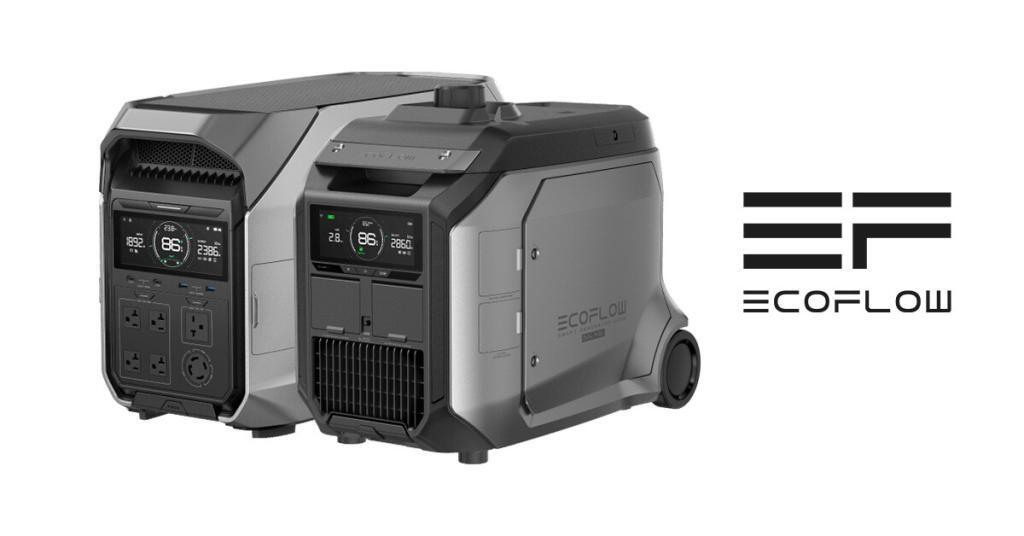
However, the EcoFlow Delta Pro 3 is unmatched when viewed from a wider perspective. It brings a larger battery and 240V output on a single unit, plus it can create a more powerful AC output and higher solar input through the maximum three DP3 units. The EcoFlow Smart Home Panel 2, Dual Fuel 4000W Smart Generator, and 800W Alternator Charger are incredibly useful accessories that push the full system above all else.
Ultimately, the right choice comes down to your specific power needs and how you plan to use the station. Both are top-tier, but now you can confidently decide which one is right for you.
Get 5% off most EcoFlow orders with SOLARWAY5OFF discount code. Our EcoFlow Prices and Sales page has more money-saving details.
|
|
EcoFlow DELTA Pro 3 |
DP3 on EcoFlow DP3 on Amazon |
|
|
BLUETTI AC500 + B300S Home Battery Backup |
AC500 on Bluetti AC500 on Amazon |
Wrap Up: EcoFlow Supreme
The EcoFlow Delta Pro 3 stands out with its larger battery capacity, 240V support, and robust expandability, making it perfect for home backup and long-term off-grid use. The Bluetti AC500 wins in terms of single-unit raw power and faster solar charging, along with a lighter design. But it falls a little short when compared to the DP3 for whole-home use due to the lower AC output, need for more battery units, and lower solar input.
For more detailed insights, check out our EcoFlow Delta Pro 3 review and Bluetti AC500 review.
Don’t wait too long. Get your power station today so you can be prepared before the next outage rolls your way. Discover the confidence of having your lights stay on when the neighborhood goes dark.


