
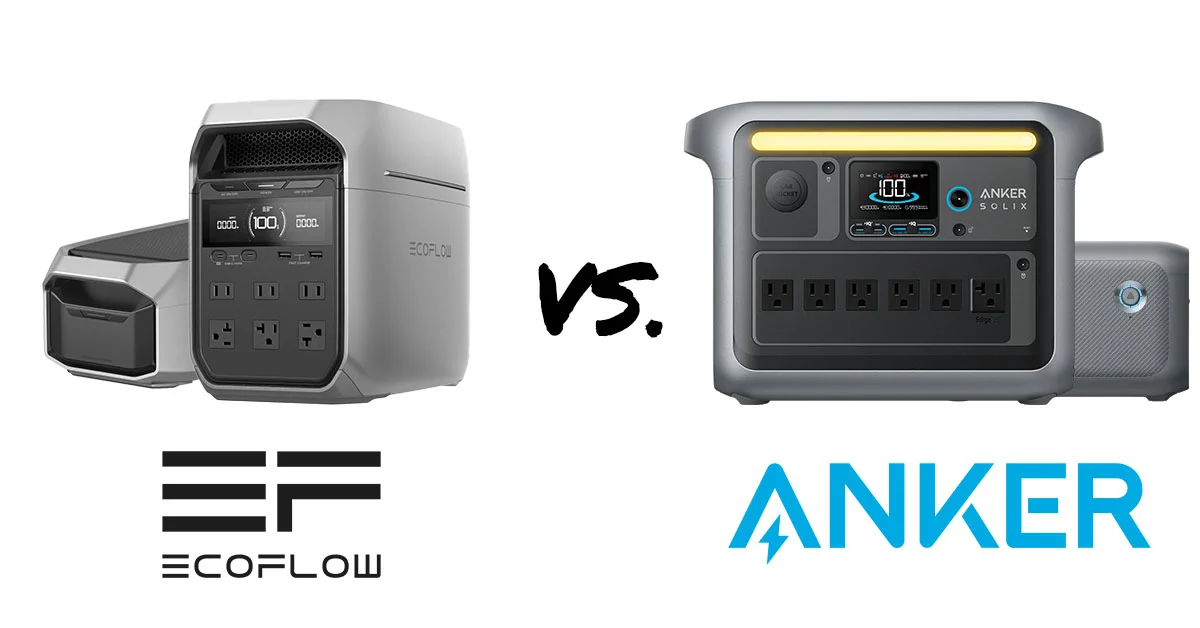
In this clash of future-proof tech, we’re putting the EcoFlow DELTA 3 Plus and Anker Solix C1000 in a head-to-head competition. Both promise to be no-compromise solutions for modern power needs. But which one delivers when it matters most?
Let’s unravel the truth behind this power station comparison. We’ll help you understand the details that matter most. Forget about the advertising gimmicks and find out which power station is better for you.
Who do you think will come out on top in this electrifying showdown? Is the EcoFlow DELTA 3 Plus better than the Anker Solix C1000?
We carefully select the products and services we link to. If you buy through our links, we may earn a commission. There’s no extra cost to you and it helps us provide this information.

Quick Summary
Many of the EcoFlow and Anker power stations are hard to compete with. Both brands have extensive experience with a well-earned reputation for excellence.
In many ways, these are almost identical power stations with 1kWh battery, 1.8kW inverter, and 6 AC outlets with 4 USB ports. They both use a long-lasting LiFePO4 battery, are backed by a 5-year warranty, and weigh the same. While the EcoFlow DELTA 3 Plus and Anker Solix C1000 have a lot in common, they are not identical.
We have a lot of good things to say about the Anker C1000. But when you compare the Anker C1000 to the EcoFlow DELTA 3 Plus, the EcoFlow comes out as the superior option.
The catch is that you usually must pay a little more for the extra features. This Anker power station is one of the best values in this segment. It’s also much less expensive than the other options we compare to the DELTA 3 Plus, such as the Bluetti AC180 and Jackery 1000 Plus.
Get 5% most EcoFlow orders with the discount code SOLARWAY5OFF. See our EcoFlow Sales and Discount Codes page to get the best price.
The ways the EcoFlow DELTA 3 Plus is better than the Anker C1000 include:
- Faster solar charging speed with dual inputs
- Shorter <10ms UPS transfer time and higher surge inverter power
- More potential battery capacity with extra battery packs
All three of these advantages might be extremely valuable. Yet the Anker Solix C1000 isn’t lagging far behind. It can recharge in about 2 hours from solar, has <20ms UPS time, and can double its battery capacity through an external unit.
As you can see, these are very closely matched power stations. The biggest reason to go with the EcoFlow is the faster UPS time. It’s also worth it if you want more than a 2kWh battery or 600W solar. Otherwise, the Anker Solix C1000 is a great option that may be available at a lower price.
| Product | EcoFlow DELTA 3 Plus | Anker Solix C1000 |
|---|---|---|
| Battery | 1,024Wh | 1,056Wh |
| Battery (System Max) | 5,120Wh | 2,112Wh |
| AC Output | 1,800W | 1,800W |
| AC Output Peak | 3,600W | 2,400W |
| AC Input | 1,500W | 1,300W |
| Solar Input | 1,000W | 600W |
| Warranty | 5 years | 5 years |
| Battery Type | LiFePO4 / LFP | LiFePO4 / LFP |
| UPS / EPS | 10ms | 20ms |
| Buy Now | Buy D3P | Buy Now |
| Buy on Amazon | Buy on Amazon | Buy on Amazon |
|
EcoFlow DELTA 3 Plus |
D3P on EcoFlow D3P on Amazon |
|
Anker SOLIX C1000 |
Buy on Anker Buy on Amazon |
Comparison Details: EcoFlow DELTA 3 Plus vs. Anker Solix C1000
There are a lot of details worth knowing about. In this part, we’ll answer your questions about what these power stations can run and for how long. We’ll also talk about what a UPS function does and the best ways to use your car to charge these power stations.
After this, we provide a tool where you can compare these power stations to an extensive list of options from EcoFlow and Anker, as well as Bluetti, Jackery, and BougeRV.
Here’s how we will break down this power station comparison between the EcoFlow DELTA 3 Plus vs. Anker Solix C1000:
- What Can It Power? Inverter and Outputs
- How Long Will It Last? Battery Specs
- How Long to Recharge? Charging Speeds
- Full Comparison Charts
- Compare to Any Power Station

What Can It Power? Inverter and Outputs
No power station is worth the money if it can’t power the devices you want to use. You want it to have the right amount of DC ports and AC outlets, but also be able to deliver the watts you need. The AC inverter rating is one of these details to know.
DC Outputs: USB Ports and More
Whenever possible, it’s best to use the DC outputs of a power station. This avoids turning on the AC inverter, which uses a little power just to run. By using the USB ports, car cigarette lighter outlet, and other DC outputs, you get the most out of your battery.
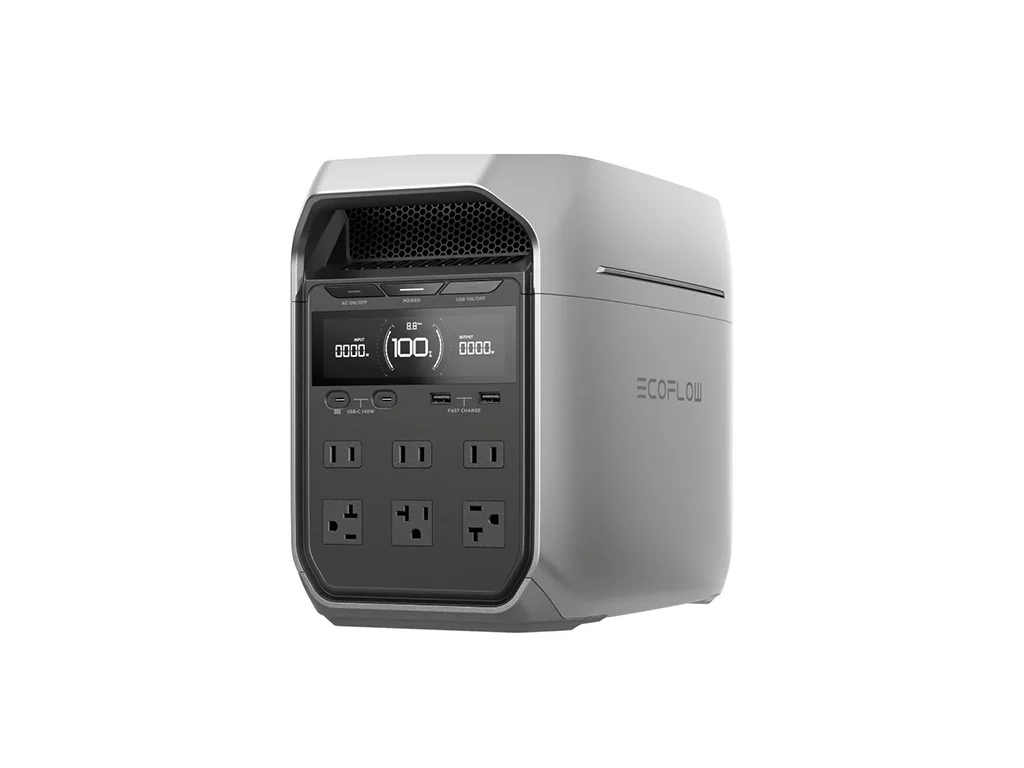
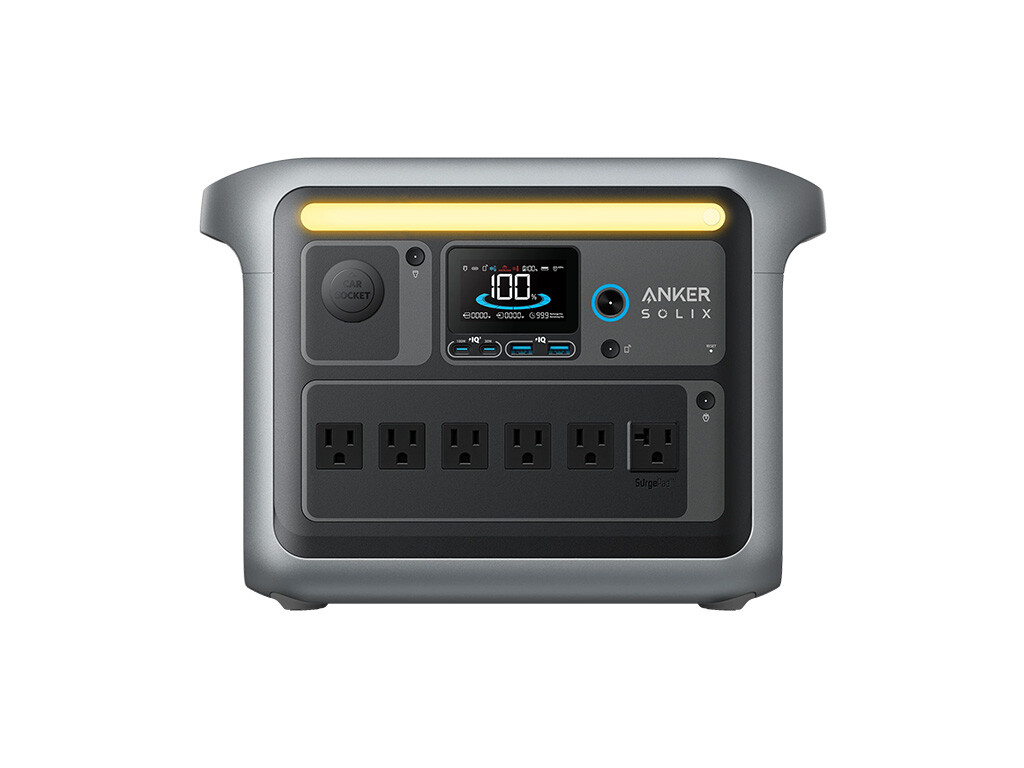
The DELTA 3 Plus and the Solix C1000 both have:
- 2 USB-A ports
- 2 USB-C ports
- 1 car cigarette lighter outlet
While this covers most DC power needs very well, there are some differences in the specs. And like most things about this comparison, the EcoFlow comes out slightly ahead again.
To start with, the EcoFlow has two additional DC ports: 5521 barrel plug style. These are great for powering things like CPAPs and other devices that usually use an AC to DC adapter when you are at home.
Also, the EcoFlow’s USB ports are all more powerful. The USB-A ports have three times the wattage, and the USB-C ports offer an impressive 140W. This is more than enough to charge most laptops. Anker’s USB-C ports offer one at 100W but one at a more limited 30W.

AC Inverter and Outlets
Some devices require AC power, found in most home outlets. The usual three-prong 110V/120V outlet. A power station’s battery uses DC energy, so the AC inverter changes the direct current (DC) to alternating current (AC). The higher the wattage rating of the AC inverter, the more power it can send out at one time.
These power stations both have a 1,800W AC inverter and 6 AC outlets. Nearly identical.
1,800W is a very capable inverter that can handle most devices. Here’s a list of the running wattage of common devices:
- 200W: Televisions and desktop computers
- 500W: Full-size refrigerators and coffee makers
- 1,000W to 1,500W: Microwaves, electric kettles, and some induction cooktops
The DELTA 3 Plus and the Solix C1000 can power a TV while also running a fridge. But to use a microwave or induction cooktop, you’ll need to unplug everything else. You cannot use these to run big devices like home air conditioners or other heavy-duty appliances. You need a larger power station for that.
The EcoFlow has a higher surge power rating and a special X-Boost technology. These allow you to use higher-powered devices, but we recommend basing your purchase on the continuous rating (1,800W). The surge or peak power is for very short bursts, and the X-Boost is innovative and useful but can’t be used for some sensitive devices because it lowers voltage.

UPS Function
If you have critical devices that need a constant energy supply, you should look for power stations with an uninterruptible power supply (UPS) function. You can keep the power station plugged into a wall outlet and your critical device, like a computer or CPAP. If there’s a power outage, the power station will switch to the internal battery power.
The transfer time is how long it takes to switch from the failed wall outlet to internal battery power. And the shorter it is, the better chance your devices will avoid rebooting, which could cause data loss or damage.
Both of these have a UPS function, making them above many other options on the market.
Yet again, EcoFlow squeezes out ahead with a shorter <10ms transfer time. And this is considered a very respectable switchover time as found on many dedicated UPS devices. The C1000 is rated at <20ms, double the time. It’s still fast, but more likely to cause a temporary power disruption to your devices.
Inverter and Outputs Verdict: Both have a 1,800W inverter with 6 outlets and 4 USB ports. While very similar, the EcoFlow DELTA 3 Plus has superior output capability. The <10ms UPS time, more powerful USB ports, and extra 5521 DC outputs are all ahead of the Anker C1000.
| Product | EcoFlow DELTA 3 Plus | Anker Solix C1000 |
|---|---|---|
| AC Output | 1,800W | 1,800W |
| AC Output Peak | 3,600W | 2,400W |
| 120V Outlets | 6 | 6x15A |
| 240V Outlets | – | – |
| UPS / EPS | 10ms | 20ms |
| USB-A Ports | 2x36W | 2x12W |
| USB-C Ports | 2x140W | 1x100W, 1x30W |
| DC 5521 (Barrel Plug) | 2x38W 3A | – |
| Cigarette Lighter | 1x126W | 1x120W |
| Buy Now | Buy D3P | Buy Now |

How Long Will It Last? Battery Specs
Next up is figuring out how long these power stations will last. You can figure this out by comparing the devices you want to run against the energy capacity of the battery. For example, if you power a 100W device from a 1,000Wh battery, you can expect a little less than 10 hours of use.
The basic calculation is the battery watt-hours divided by the device wattage. That gives you the estimated hours of runtime. Reduce this time by about 20% to account for normal power loss and unusable battery capacity. This provides a pretty decent estimate of how long the power station will run your devices. Wh / W x 0.8 = Hours of runtime.
In this case, both the EcoFlow DELTA 3 Plus and the Anker Solix C1000 have an internal battery that is just a touch over 1,000Wh (1kWh).
This battery capacity is great for running small devices or mid-size appliances for a handful of hours. A 1,000Wh battery can:
- Charge a 10Wh phone battery about 80 times.
- Power a portable 60W fridge, a couple of 10W lights, and a small 20W fan for around 10 hours.
- Run a home fridge, a television, a WiFi router, and a handful of lights for about 2 hours.
As you can see, the bigger the devices get, the shorter the battery lasts.
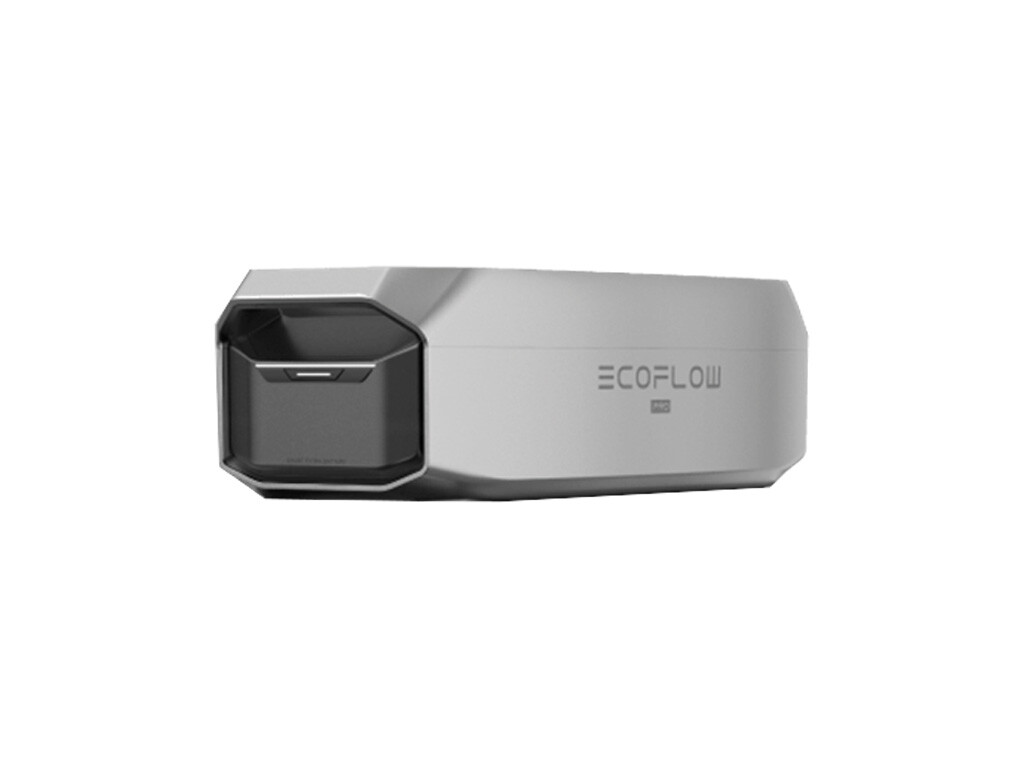
To extend the runtime, these power stations offer external battery packs. And here is one of the most important differences between the EcoFlow DELTA 3 Plus and the Anker C1000. The available external battery packs are:
- EcoFlow: Add on up to 4,000Wh with the DELTA Pro 3 Extra Battery (5.1kWh total)
- Anker: Add on another 1,000Wh with the B1000 Expansion Battery (2.1kWh total)
There is a clear advantage to EcoFlow, at least on paper. In reality, if you need 5kWh of battery capacity, we urge you to consider bigger power stations (like the EcoFlow DELTA Pro 3 or Anker F3800). The charging rates and other specs grow to match the battery size. The Anker’s 2kWh maximum is a pretty good amount of battery for this size inverter and power station.
Another thing to compare is the type of battery used. Most power stations use lithium-ion, but did you know there are multiple types of lithium batteries? Some brands offer NMC, which typically is rated for about 500 charge and discharge cycles.
These two power stations use LiFePO4 batteries (also known as LFP or lithium iron phosphate). This has much better longevity. The EcoFlow pushes the limits with a rating of >4,000 cycles while keeping at least 80% capacity. You can charge and discharge this unit for more than 10 years without significant degradation of the capacity. The Anker is rated for >3,000 cycles, which is a typical LiFePO4 rating. Still over 8 years.
Battery Verdict: Both brands include a 1kWh internal LiFePO4 battery that’s ready for power-filled adventures and short home outages. EcoFlow pushes the limits by offering up to 5.1kWh total and >4,000 cycles, while Anker allows up to 2.1kWh total and >3,000 cycles. It’s a close race, but EcoFlow powers ahead.
| Product | EcoFlow DELTA 3 Plus | Anker Solix C1000 |
|---|---|---|
| Battery | 1,024Wh | 1,056Wh |
| Battery (System Max) | 5,120Wh | 2,112Wh |
| Warranty | 5 years | 5 years |
| Battery Type | LiFePO4 / LFP | LiFePO4 / LFP |
| Battery Cycles | >4,000 | >3,000 |

How Long to Recharge? Charging Speeds
It’s easy to think that charging speeds are based only on the power source. The more solar panels you connect, the faster the power station will charge. Right? Unfortunately not.
Every power station has charge controllers tucked inside. These transfer the power from external sources to charge the battery. These charge controllers determine the maximum charging speed (in watts) that can go into the battery.
The DELTA 3 Plus and Solix C1000 have similar AC charging rates from standard wall outlets. Even though EcoFlow’s is about 200W higher, they can recharge in about an hour from a regular outlet. The 200W difference is less than 20 minutes faster. Likely not something to put too much consideration into.

When it comes to DC energy sources, like solar and car charging, the EcoFlow DELTA 3 Plus is far ahead of the Anker Solix C1000. The DC input ratings are:
- DELTA 3 Plus: Up to 1,000W of solar through two inputs with 60V/15A max each
- Solix C1000: Up to 600W of solar through one input with 60V/12.5A max
The Anker’s 600W is actually still a lot of solar for this battery size. It can fully recharge in about 2 hours of peak sunlight if you have 600W connected. If you use the extra battery unit, that’s still just 4 hours. This is very possible to fully recharge the entire battery capacity in one day.
You can see our Solar Panel Calculator to find your needs.
EcoFlow’s rate is ridiculously fast for the 1kWh internal battery, charging in less than an hour and a half. If you’re only using the internal battery without an external expansion, you don’t even need to go this high.
When you use the bigger EcoFlow extra battery units, this fast charging port is essential. With 1,000W of solar panels, you can charge the maximum 5kWh battery capacity in about 6 hours of peak sunlight. Many places don’t get that much light in one day, so it’s still stretching it. This is one of the reasons we suggest a larger power station if you need a 5kWh battery.

There are other off-grid energy sources to consider too, such as fuel generators and car charging. You can always use an inverter generator to charge a power station through the AC input. And most power stations come with the car cigarette lighter adapter, but that’s a slow 120W of charging (about 10 hours for these power stations).
EcoFlow’s options here are not matched by any other brand. The two EcoFlow products that are great add-ons for charging sources are:
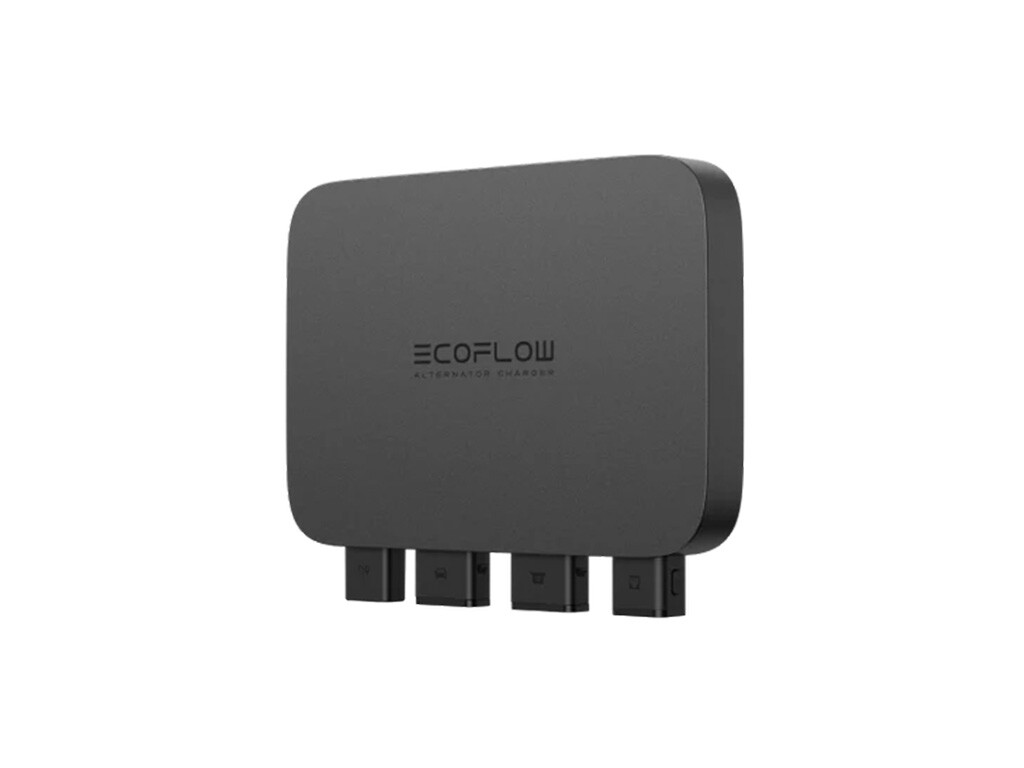
- EcoFlow 800W Alternator Charger: Super fast car charger for your EcoFlow power station
- EcoFlow Dual Fuel Smart Generator: Use gasoline or propane to quickly charge your power station
These two EcoFlow products are packed with features you can’t find elsewhere. The Alternator Charger can reverse the charge, using your power station to jump start your car battery (or maintain any 12V or 24V battery). The Dual Fuel Generator can be started and controlled through an app. It has an automatic setting that turns on and off based on the battery level.
For the Anker C1000, we recommend checking out our list of other ways to car a power station from a car. The Pecron 500W Car Charger is similar to the EcoFlow Alternator Charger. It’s a universal product that mimics a solar output with MC4 connectors.
| Product | EcoFlow DELTA 3 Plus | Anker Solix C1000 |
|---|---|---|
| AC Input | 1,500W | 1,300W |
| AC Recharge Hours (Est.) | 0.8h | 1h |
| Solar Input | 1,000W | 600W |
| Solar Recharge Hours (Est.) | 1.2h | 2.1h |
| Solar Input 1 Watts | 500W | 600W |
| Solar Input 1 Volts Min | 11V | 11V |
| Solar Input 1 Volts Max | 60V | 60V |
| Solar Input 1 Amps | 15A | 12.5A |
| Solar Input 2 Watts | 500W | – |
| Solar Input 2 Volts Min | 11V | – |
| Solar Input 2 Volts Max | 60V | – |
| Solar Input 2 Amps | 15A | – |
|
EcoFlow 800W Alternator Charger |
EFAC on EcoFlow EFAC on Amazon |

|
PECRON 500W Car Charger for Cars, RVs, etc. |
Buy on Pecron |
User Manual Links
Here are links to the official user manuals:
| Product | EcoFlow DELTA 3 Plus | Anker Solix C1000 |
|---|---|---|
| User Manual | User Manual | User Manual |
Weight and Dimensions
Sometimes you need to use portable power stations far from home. And since these two power stations can be ideal for camping away from electricity, the weights and dimensions are something you need to know.
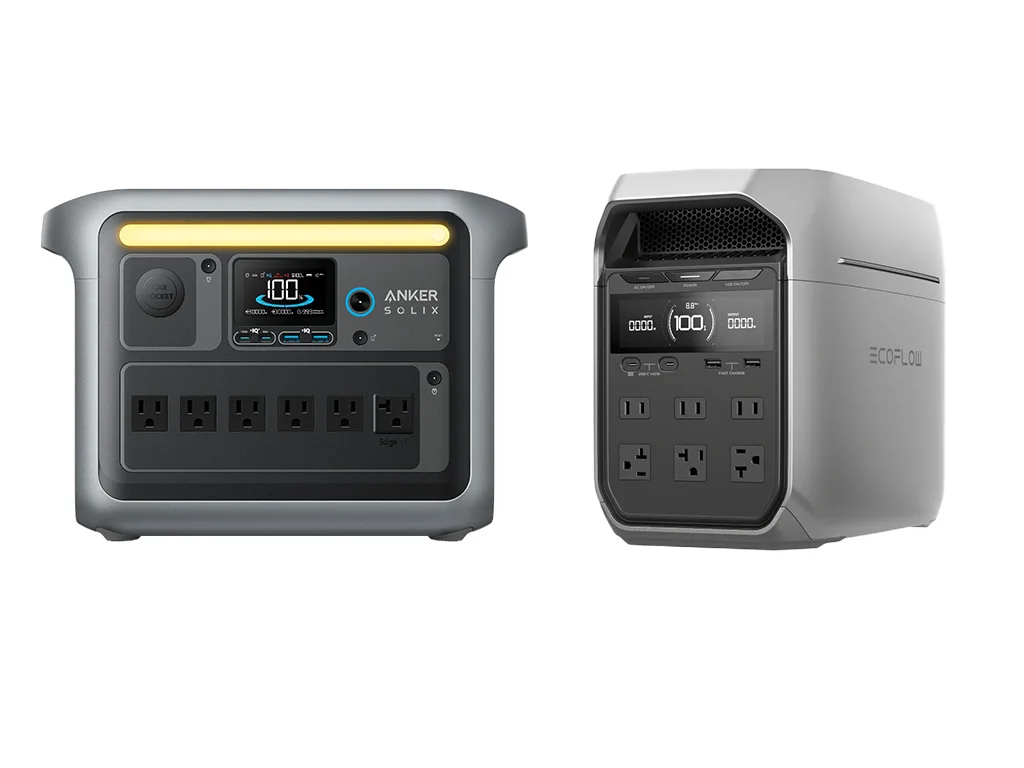
This EcoFlow and Anker weigh nearly an identical weight, 28lbs (13kg). They’re light enough to easily carry, maybe even with one hand. The dimensions are almost identical too, about the size of a large shoebox. Perhaps what a pair of winter boots comes in. The EcoFlow is thin but long while the Anker is wide but shallow. Nearly identical in height.
Portability Verdict: Both are light and ultra-portable units for the battery and capabilities. You can’t go wrong with either.
| Product | EcoFlow DELTA 3 Plus | Anker Solix C1000 |
|---|---|---|
| Weight (lbs) | 27.6lbs | 28.4lbs |
| Weight (kg) | 12.5kg | 12.9kg |
| Dimensions (in) | 8.0×15.7×11.2in | 14.8×8.07×10.5in |
| Dimensions (mm) | 202x398x284mm | 376x205x267mm |

Final Verdict: Which Is Better?
These are two top-tier midrange power stations. Both have a 1kWh battery that can be ideal for charging countless small devices or running a set of critical home appliances for a few hours. The 1.8kW inverter output can handle most electronics, even some microwaves and electric kettles. And they come with a lot of USB ports and AC outlets so you can connect everything at the same time, all on fairly small and lightweight units.
Yet there is one power station that is clearly superior to the other. It’s the EcoFlow DELTA 3 Plus. And that’s because it has:
- Much more battery expansion potential (5kWh vs. 2kWh)
- Faster solar charging rate (1,000W vs. 600W)
- Quicker UPS transfer time (<10ms vs. <20ms)
On top of this list, EcoFlow also offers very useful add-on devices like the 800W Alternator Charger and Dual Fuel Smart Generator. They’re exclusive to EcoFlow products due to proprietary connectors and offer a lot of off-grid capability.
See our list of EcoFlow Sales, Prices, and Discount Codes to make sure you get the best deal.
We still have a lot of great things to say about the Anker Solix C1000.
It’s a very capable power station from a brand you can trust, with a longer history of electronics manufacturing and battery excellence. Plus, it’s often sold at a lower price than the EcoFlow DELTA 3 Plus. But these prices change all the time.
If you don’t need more than 600W solar or 2kWh of battery, there’s very little difference between the EcoFlow DELTA 3 Plus and the Anker Solix C1000. The <10ms UPS transfer time and slightly more powerful USB ports are the most important ones.
Final Verdict: The EcoFlow DELTA 3 Plus is better than the Anker Solix C1000 due to superior battery capacity expansion, faster UPS transfer time, higher solar charging inputs, and more powerful USB ports. The Anker C1000 is still a great power station. It’s worth it if you can save some cash and don’t need more than a 2kWh battery or 600W of solar.
|
|
EcoFlow DELTA 3 Plus |
D3P on EcoFlow D3P on Amazon |
|
|
Anker SOLIX C1000 |
Buy on Anker Buy on Amazon |
Comparison Charts
Here we have the full specifications in one simple chart. You can see exactly how the DELTA 3 Plus and Anker C1000 compare.
Then we provide our tool where you can select any three power stations to compare. You choose from not only these two, but also all the EcoFlow, Anker, Bluetti, Jackery, and BougeRV choices. Then choose the specs you want to compare. It’s the ultimate power station comparison tool you won’t find anywhere else. We’re proud to offer this to Solar Waypoint readers.
Get 5% off most EcoFlow orders with the discount code SOLARWAY5OFF.
EcoFlow DELTA 3 Plus vs. Anker Solix C1000
Here is the full comparison chart for the EcoFlow DELTA 3 Plus and Anker Solix C1000:
| Product | EcoFlow DELTA 3 Plus | Anker Solix C1000 |
|---|---|---|
| Battery | 1,024Wh | 1,056Wh |
| Battery (System Max) | 5,120Wh | 2,112Wh |
| AC Output | 1,800W | 1,800W |
| AC Output Peak | 3,600W | 2,400W |
| AC Input | 1,500W | 1,300W |
| AC Recharge Hours (Est.) | 0.8h | 1h |
| Solar Input | 1,000W | 600W |
| Solar Recharge Hours (Est.) | 1.2h | 2.1h |
| Warranty | 5 years | 5 years |
| Weight (lbs) | 27.6lbs | 28.4lbs |
| Weight (kg) | 12.5kg | 12.9kg |
| Dimensions (in) | 8.0×15.7×11.2in | 14.8×8.07×10.5in |
| Dimensions (mm) | 202x398x284mm | 376x205x267mm |
| Solar Input 1 Watts | 500W | 600W |
| Solar Input 1 Volts Min | 11V | 11V |
| Solar Input 1 Volts Max | 60V | 60V |
| Solar Input 1 Amps | 15A | 12.5A |
| Solar Input 2 Watts | 500W | – |
| Solar Input 2 Volts Min | 11V | – |
| Solar Input 2 Volts Max | 60V | – |
| Solar Input 2 Amps | 15A | – |
| Battery Type | LiFePO4 / LFP | LiFePO4 / LFP |
| Battery Cycles | >4,000 | >3,000 |
| 120V Outlets | 6 | 6x15A |
| UPS / EPS | 10ms | 20ms |
| USB-A Ports | 2x36W | 2x12W |
| USB-C Ports | 2x140W | 1x100W, 1x30W |
| DC 5521 (Barrel Plug) | 2x38W 3A | – |
| Cigarette Lighter | 1x126W | 1x120W |
| Connectivity | WiFi / Bluetooth | WiFi / Bluetooth |
| User Manual | User Manual | User Manual |
| Buy Now | Buy D3P | Buy Now |
| Buy on Amazon | Buy on Amazon | Buy on Amazon |

Compare to Any Power Station
Now time for one of our favorite things to give our audience. This tool allows you to compare any power station from our most trusted brands.
Choose up to three power stations from the drop-down lists, then select the group of specs you want to see (Or choose “All Specs”). Once you click the button, a table will populate with the requested information.
Select Power Stations
Select up to three power stations to compare:
|
|
EcoFlow DELTA 3 Plus |
D3P on EcoFlow D3P on Amazon |
|
|
Anker SOLIX C1000 |
Buy on Anker Buy on Amazon |
Wrap Up
These are two of the best power stations in the market with a 1kWh internal battery, a 1.8kW inverter, and enough outlets and ports for all your small to medium sized devices. They can be excellent for high-powered camping adventures while doubling as a home backup solution for your most important electronics (including your fridge).
The EcoFlow DELTA 3 Plus is the better option because it can add more external battery power and solar panels. It also has a faster UPS transfer time and more powerful USB ports. The Anker C1000 still holds its own with the ability to double the battery capacity and up to 600W of solar. While the EcoFlow is superior, both are high-quality power stations worth every penny.
See our full guides to the EcoFlow DELTA 3 Plus and Anker Solix C1000 for more details.
Want to see more power station comparisons and charts? Check out our Product Guide page or these articles: