
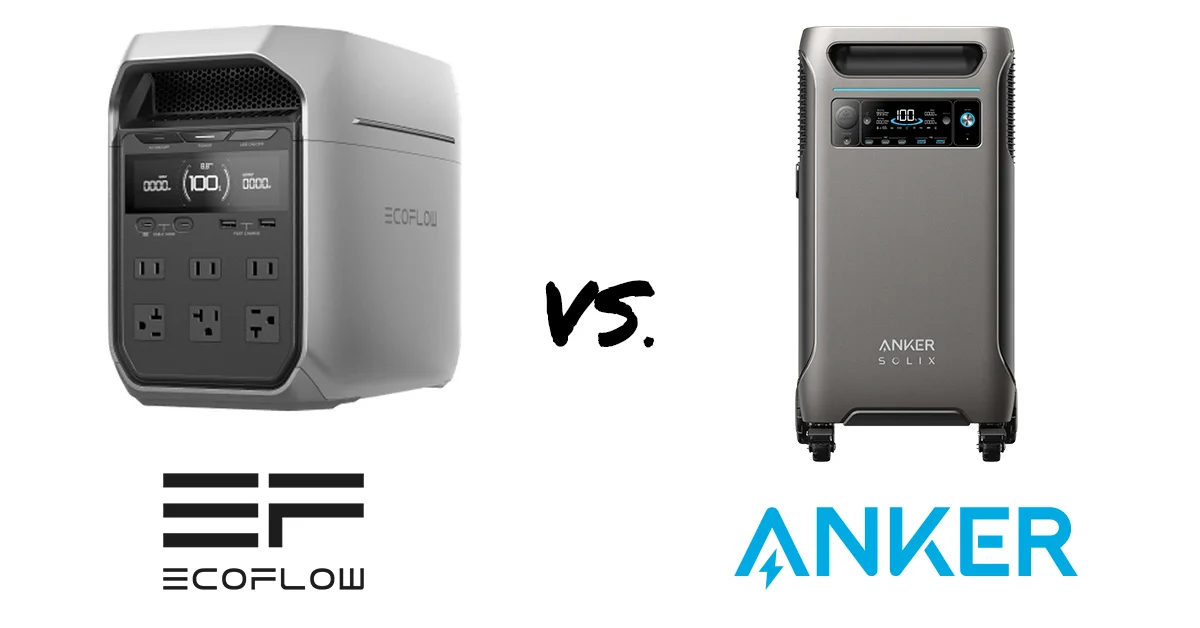
When it comes to high-performance power stations, the EcoFlow Delta Pro 3 and Anker Solix F3800 represent the top tier. They offer an answer to the search for energy independence and leaving power outages in the past forever. But which one stands above the other?
This power station comparison strips away the murky advertising cover to break down the undisputable differences. Our expert analysis showcases the strengths and weaknesses while translating the lengthy specs into real-world takeaways that matter most. We’ll help you see which suits your power needs or if you should look elsewhere.
It’s time to find out how the battle of power station titans between the EcoFlow Delta Pro 3 and Anker Solix F3800 turns out.
We carefully select the products and services we link to. If you buy through our links, we may earn a commission. There’s no extra cost to you and it helps us provide this information.
We carefully select the products and services we link to. If you buy through our links, we may earn a commission. There’s no extra cost to you and it helps us provide this information.
Quick Breakdown: Power and Flexibility Collide
Whether you’re prepping for home emergencies, cutting down your energy bill, or adding more energy to your RV these two options are well-positioned to be the solution. As heavy-duty power stations with mammoth specs, you can trust that they’ll have plenty of power and can keep the party going.
The EcoFlow Delta Pro 3 and Anker Solix F3800 are two of the most powerful options coming from premium brands. Both have a proven reputation for battery expertise along with a deep understanding of what power station users need.
While not identical, you’ll find many similarities between these two power stations. They have ~4kWh internal batteries and can use extra batteries to increase capacity. The inverters are powerful enough to run a household full of devices and come with high-amp outputs ready to feed energy straight to your circuits, at home or in your RV. And they have fast charging rates from AC sources and solar panels.

After close inspection, the EcoFlow Delta Pro 3 steals the show over the Anker F3800 due to a few key features:
- High solar charging with more flexible inputs
- More high-amp output options, including DC
- Faster UPS switchover and a suite of EcoFlow-specific accessories
Yet the Anker Solix F3800 has plenty going for it as well. In fact, there are many situations where it’s the preferrable choice. Its advantages include:
- More powerful single-unit AC inverter
- Higher total battery capacity
- Pricing is often lower
When it comes to price and value, it’s a close race. EcoFlow and Anker typically offer some of the best deals and these two giants are no different. In comparison to similar units from other brands, you’re going to almost-always find these as better values.
With over 3kWh batteries, these power stations can also qualify for the 30% solar tax credit.
To put the comparison between these two on equal footing, we look at the price per watt-hour of battery. The MSRP of the EcoFlow is about $0.90 per Wh while the Anker MSRP is a little higher at $1.05. Discounts and sales can push both lower. However, the Anker has a more powerful inverter and only requires tow units to max out the whole system. So even though it may be a little higher, it comes with superior single-unit capabilities that are worth it.
Due to superior solar inputs, faster UPS time, and the complementary EcoFlow products, the EcoFlow Delta Pro 3 takes the top spot in this comparison. Very close behind is the Anker Solix F3800, offering more output power from one unit, higher total battery capacity, and a price that’s typically more bang-for-your-buck. These are two power stations are in a very close race to the top.

|
EcoFlow DELTA Pro 3 |
DP3 on EcoFlow DP3 on Amazon |

|
Anker Solix F3800 |
F3800 on Anker F3800 on Amazon |
Get 5% off most EcoFlow orders with SOLARWAY5OFF discount code.
Deep Dive: Comparing EcoFlow Delta Pro 3 vs. Anker Solix F3800
We’re not here to merely glance over the details and regurgitate advertising claims. This in-depth analysis is ready to provide useful insights by walking you through the differences and translating the real-world implications.
We’ll break down the comparison by the following critical specs:
- What Can These Power? Inverter and Outputs
- How Long Will They Last? Battery Capacity and Performance
- How Quickly Can They Recharge? Charging Speeds and Inputs
- Can You Move Them Easily? Portability and Design
- Which Should You Choose? Final Verdict
Power Supply: Inverters, Ports, and Outlets
When you’re counting on portable power to keep your devices running, it needs to have sufficient output capabilities and connections. This can be a little complicated for these big guys but the most important things are the inverter ratings and the high-amp outputs. These two determine how many devices the power station can run at one time and how they connect to your electrical systems.
The inverter converts the DC power stored in the battery into AC power, which can feed your household circuits or run appliances that require AC power. You can also use the DC energy directly through the USB ports, other DC ports, and in the case of this EcoFlow, through a high-amp Anderson output. That’s a great option for powering a handful of DC devices through a fuse box.
Inverter Implications
Inverter ratings are a vital consideration. The higher the wattage, the more power the station can deliver at once. You want the rating to not only be above the power needs of the single largest device you want to power, but it also must cover the total power demands of everything at one time.
The EcoFlow Delta Pro 3 comes equipped with a 4,000W continuous inverter, while the Anker Solix F3800 brings a larger 6,000W continuous output. These can both handle your 200W television, 500W fridge, 200W computer, a handful of lights, and your choice of a microwave, hairdryer, or other high-powered device. This entire setup will be less than 4,000W.
If you want to use the high-powered devices together or stack on an induction cooktop, coffee maker, or electric kettle too (with the above list running), then you’ll reach over the EcoFlow 4kW limit. Running a 3kW or higher air conditioner can be a little challenging for both due to high initial surge demands.
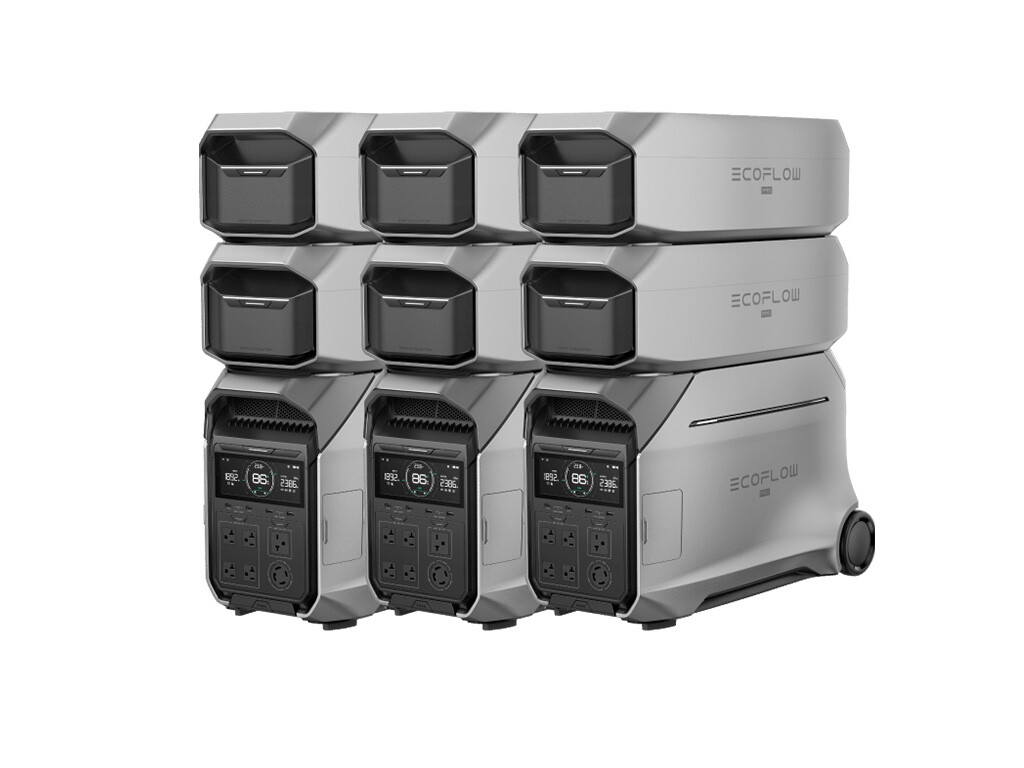
The way around this limit is to use more than one power station together. EcoFlow and Anker design these units to work in unison to power your homes. You can use up to three Delta Pro 3 units or two Anker F3800 units. In either case, the total AC output is 12,000W. A hefty amount that you’ll have to try hard to exceed.
Home and RV Integration Techniques
As heavy-duty power stations, these can serve as your main or backup energy systems for your home or RV. And here’s exactly how to do that.
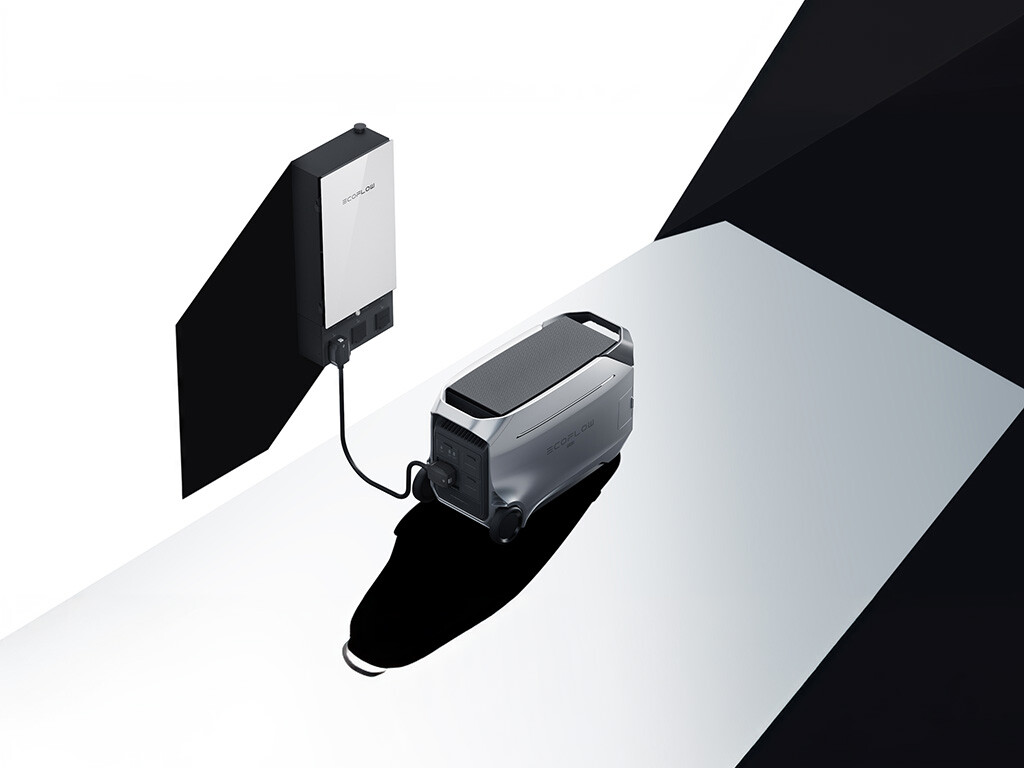
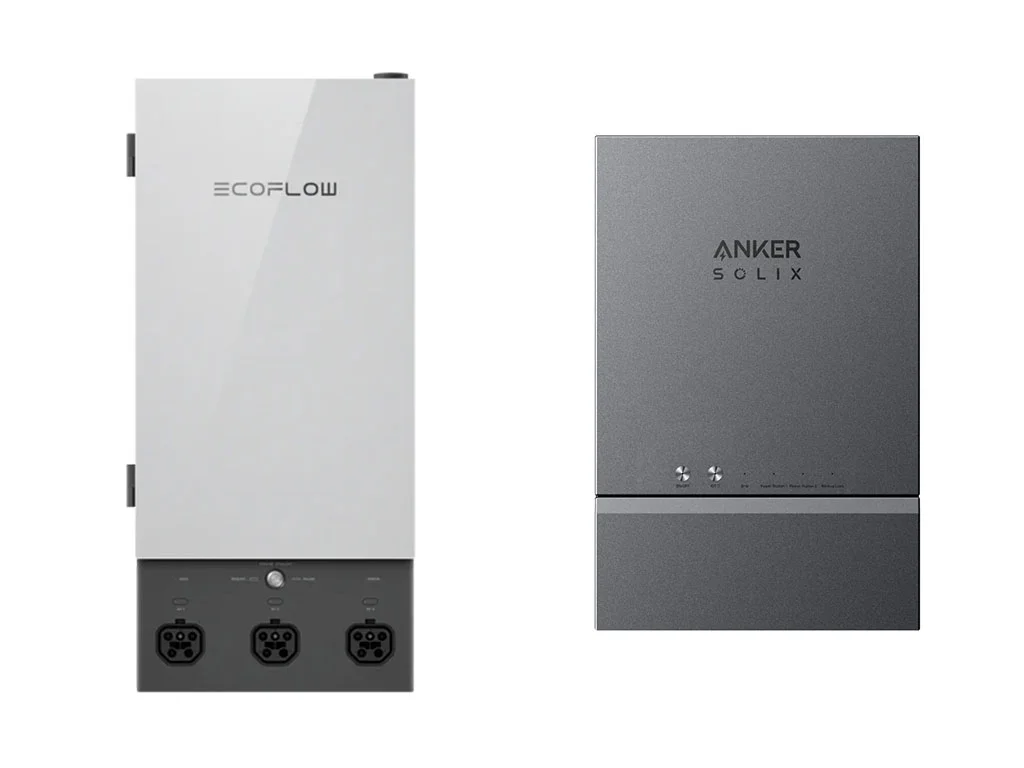
The easiest way is to use EcoFlow’s Smart Home Panel 2 or Anker’s Solix Home Power Panel. These are carefully-designed power panels that offer seamless integration with your home circuits. They merge an automatic transfer switch with a critical loads subpanel, allowing you to choose between grid power or battery backup as you wish. And they both include solar input as well as intelligent apps with extensive monitoring and controls.
Not every brand offers these power panels. You can also use a universal automatic transfer switch or a more affordable manual transfer switch with subpanel, but it requires you to manually flip between power sources and lacks the app support. A simple generator inlet can also do the job but you have to use caution about overloading the power stations and backfeeding the grid.
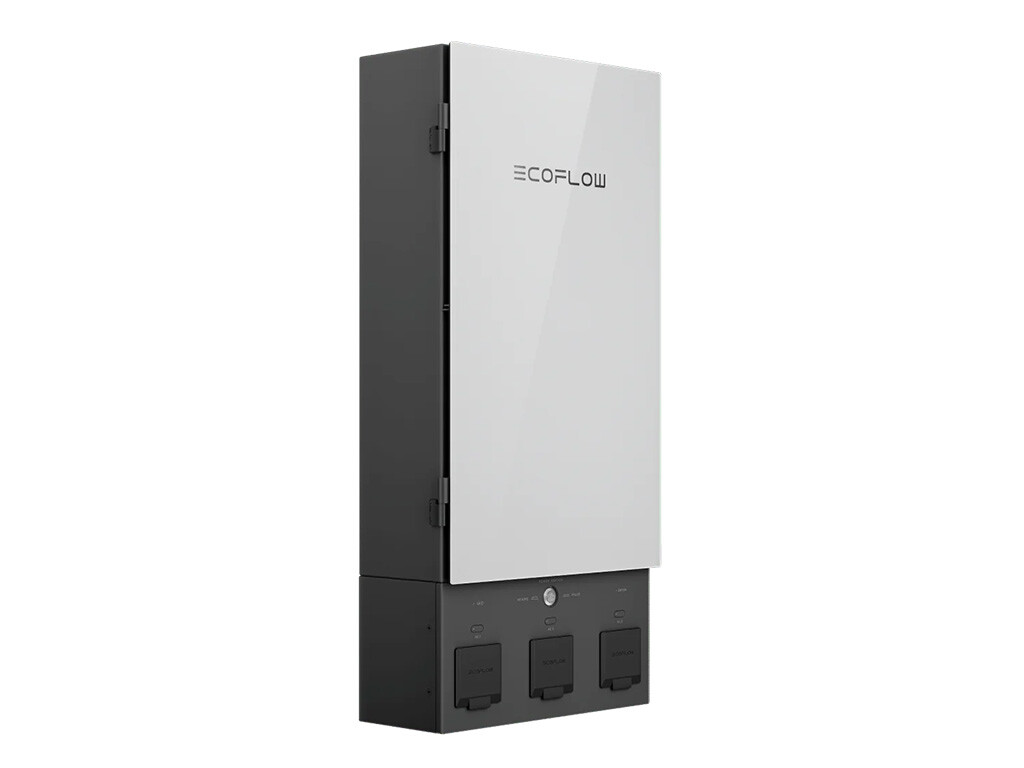
|
EcoFlow Smart Home Panel 2 |
SHP2 on EcoFlow |
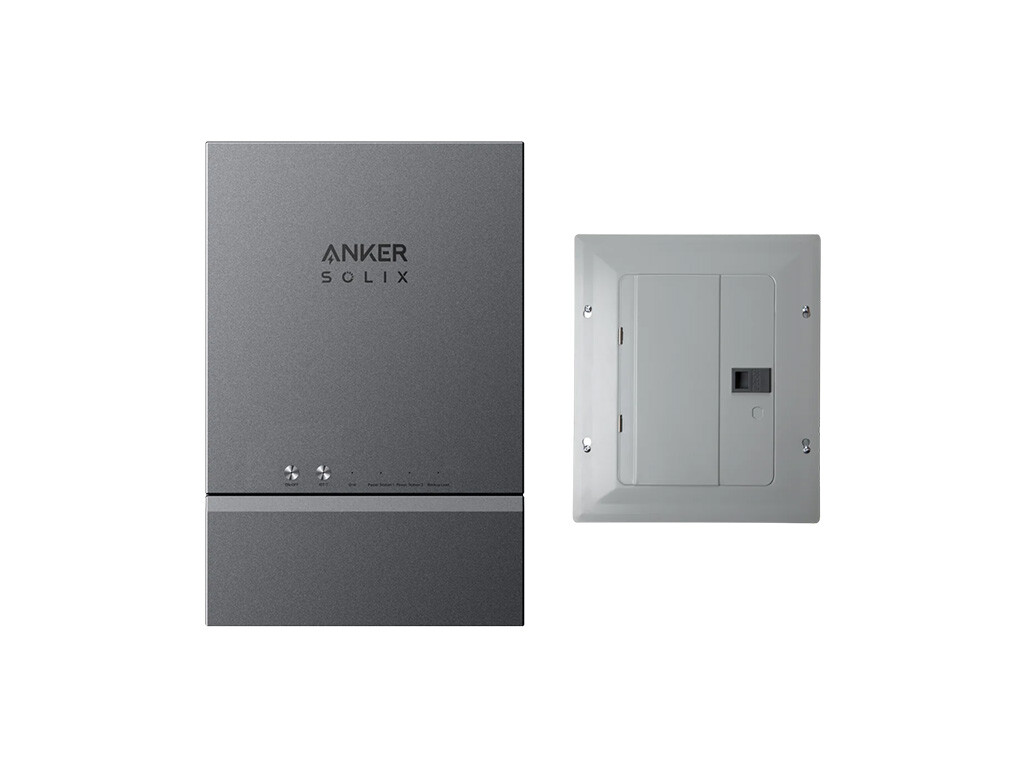
|
Anker SOLIX Home Power Panel |
Buy on Anker |
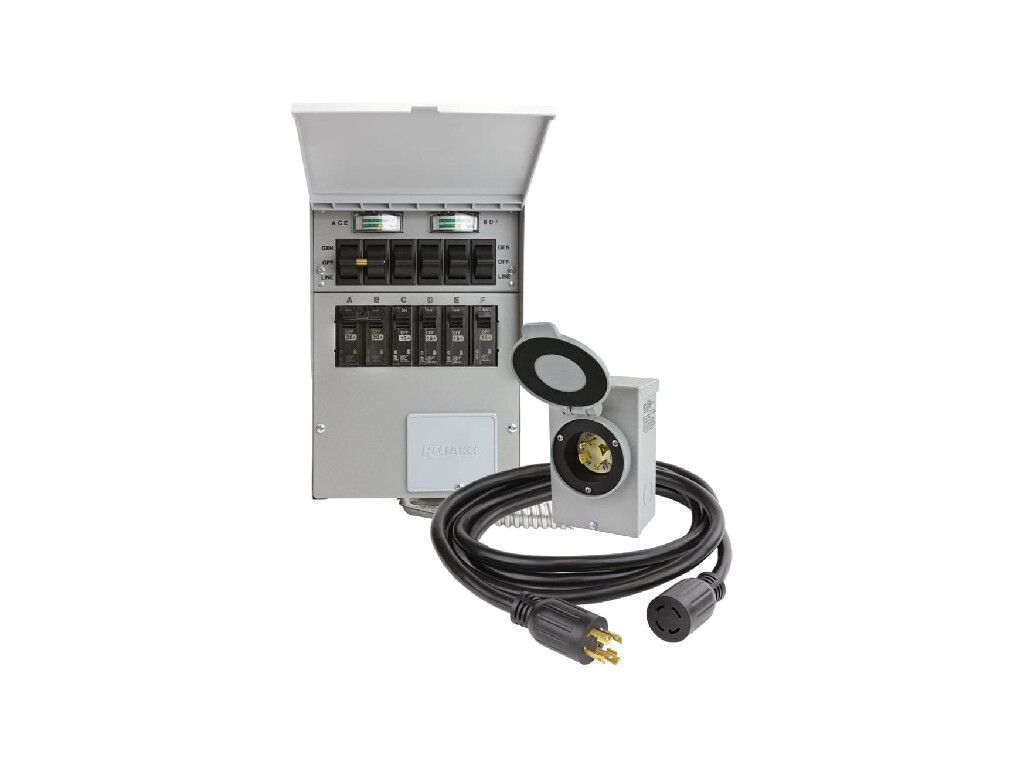
|
Reliance Controls 306CRK Transfer Switch Kit |
Buy on Amazon |
For RV or campervan connections, you’ll want to check out the different high-amp outputs that can match your existing shore power inlet. You can also power a DC fuse box directly in some cases. Here’s the Delta Pro 3 and Solix F3800 outputs:
- EcoFlow: Two 30-amp AC outputs (TT-30R & L14-30) and a 240V output (6-20R), plus a 30-amp DC Anderson port
- Anker: Two high-amp outputs (L14-30R & 14-50), but both are restricted to 25 amps and there’s no high-amp DC port
These two also have a UPS (Uninterruptible Power Supply) function, but it only applies to certain outlets. If you use those, the EcoFlow switches in <10ms while Anker’s transfer time is <20ms.
Output Verdict: The EcoFlow Delta Pro 3 edges slightly ahead with two more high-amp outputs, including a very useful 30-amp DC output. The Anker Solix F3800 offers a higher single-unit output, but they both have a max output of 12kW. And each brand has an intelligent smart panel made for seamless home integration.
| Product | EcoFlow DELTA Pro 3 | Anker Solix F3800 |
|---|---|---|
| AC Output | 4,000W | 6,000W |
| AC Output (System Max) | 12,000W | 12,000W |
| 120V Outlets | 5 (1xTT-30R) | 6x20A |
| 240V Outlets | 2 (L14-30 & 6-20R) | 2x25A (L14-30R & 14-50) |
| UPS / EPS | 10ms | 20ms |
| USB-A Ports | 2x18W | 2x12W |
| USB-C Ports | 2x100W | 3x100W |
| Other DC (Anderson or other) | 1x378W (30A) | – |
| DC 5521 (Barrel Plug) | 1x63W 5A | – |
| Cigarette Lighter | – | – |
| Connectivity | WiFi / Bluetooth | WiFi / Bluetooth |
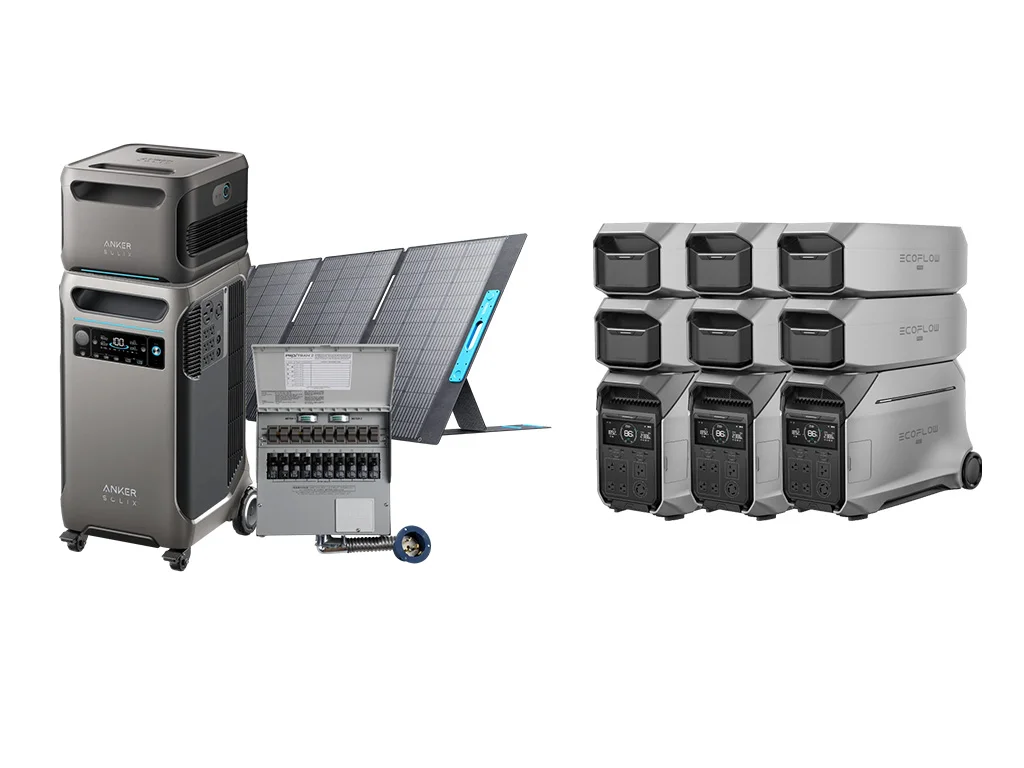
Powering Through: Battery Capacity and Warranty
The inverter output is how much power it can deliver at one time. The battery capacity determines how long it can serve power to a set of devices. It’s measured in watt-hours (Wh). You can get a rough idea of how many hours a battery will last by dividing the battery’s Wh by the total device wattage. Then take off about 20% to account for normal system inefficiencies and unusable battery space. Wh / W x 0.8 = Hours of runtime.
In this comparison, you’re going to find extreme battery capacity on the EcoFlow Delta Pro 3 and Anker F3800. Each individual unit has just about 4,000Wh (4kWh) to make for long-lasting energy. Here’s an example of what that can do:
- Charge a 10Wh phone, 30Wh tablet, and 60Wh laptop more than 30 times
- Power a full-size fridge, television, computer, and 10 lights for about 4 hours
- Run a 3,000W air conditioner for about an hour
As you can see, small gadgets are no problem. As you throw on a more standard house of appliances, the time shortens. And it gets to be very short for extreme power needs (which can also have problematic startup surges, although soft start devices can help).
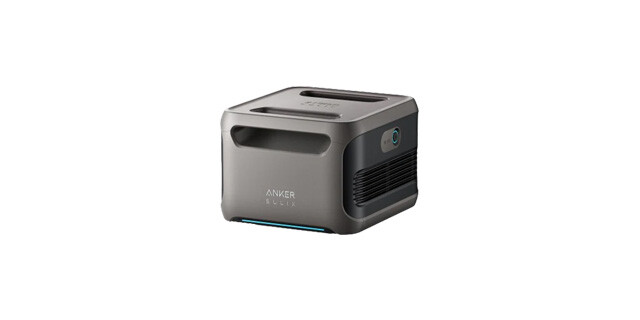
Modular Battery Expansion
To overcome these limits, it’s time to bring in extra battery packs. And this is where the Anker F3800 is much better than the EcoFlow Delta Pro 3:
- EcoFlow: 36.9kWh maximum with three DP3 units and six extra batteries
- Anker: 53.8kWh maximum with two F3800 units and twelve extra batteries
Both power stations provide ample energy for most uses, but if you’re running high-demand devices or appliances for long periods, every extra watt-hour counts. The Anker has an undeniable advantage. If you want more from an EcoFlow product, the larger Delta Pro Ultra reaches up to 90kWh total. The F3800 is the largest Anker power station.
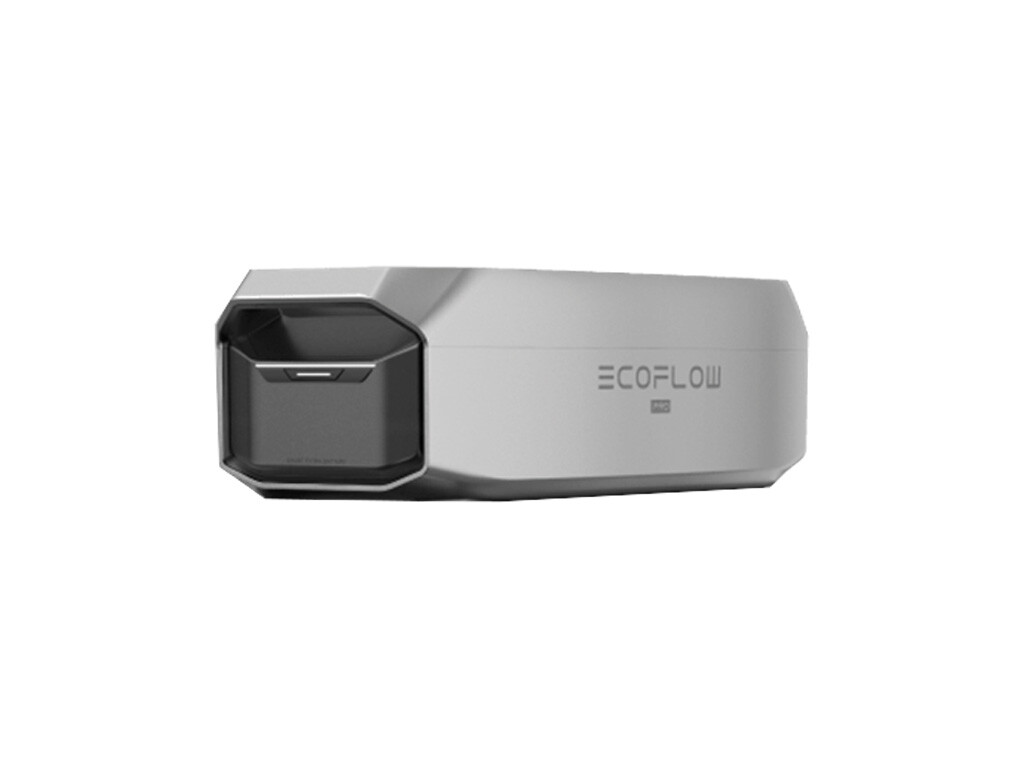
|
EcoFlow DELTA Pro 3 Smart Extra Battery |
Buy on EcoFlow Buy on Amazon |
|
|
Anker SOLIX BP3800 Expansion Battery |
Buy on Anker Buy on Amazon |
Longevity and Warranty
Both power stations use LiFePO4 (lithium iron phosphate) batteries, which are known for their long lifespan and safety. Battery longevity is measured in cycles—one full discharge and recharge cycle. Both models are rated for more than 3,000 cycles, meaning they can last for nearly 10 years of daily use before their capacity begins to degrade to around 80%. This makes them excellent long-term investments for frequent users.
Warranty coverage ensures your investment is protected. EcoFlow and Anker provide excellent 5-year coverage for both of these heavy-duty power stations. You can have confidence that these are built to last and come with a guarantee to provide even more peace of mind.
Battery Verdict: The Anker Solix F3800 has a clear advantage with sheer potential capacity through modular batteries, making it the better option for those needing massive battery storage for extended off-grid use. However, the EcoFlow Delta Pro 3 still offers excellent battery life and plenty of capacity for days of home backup use.
| Product | EcoFlow DELTA Pro 3 | Anker Solix F3800 |
|---|---|---|
| Battery | 4,096Wh | 3,840Wh |
| Battery (System Max) | 36,864Wh | 53,760Wh |
| Warranty | 5 years | 5 years |
| Battery Type | LiFePO4 / LFP | LiFePO4 / LFP |
| Battery Cycles | >3,000 | >3,000 |
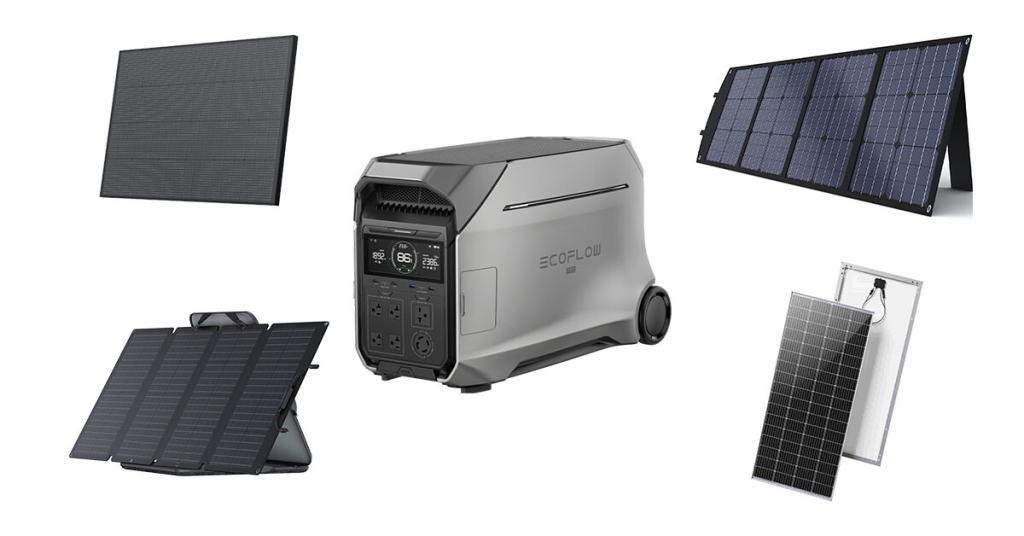
Recharging in a Flash: Charging Speeds and Solar Input
Batteries can’t be useful unless you can charge them quick enough. For power stations, this involves not only AC charging if or when you have grid power available. But also charging from a variety of off-grid sources like solar panels and fuel generators. Car or RV charging while driving can also be useful, if you can find a fast enough power source.
The charging speeds aren’t determined solely by the power source or by the number of solar panels you use. Each power station features multiple components that transfer outside electricity to the battery. And they determine the maximum charging rates.
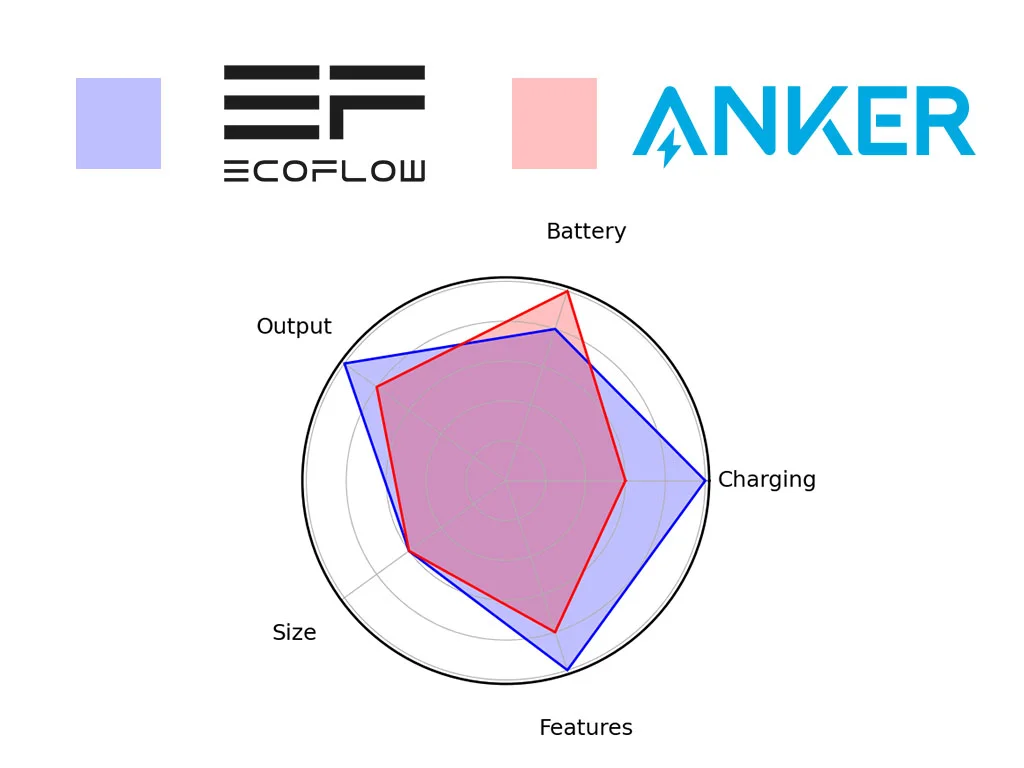
In simple terms, the Delta Pro 3 charging outperforms the Anker F3800 in many ways. Here are our top three reasons for favoring the EcoFlow here:
- AC Charging: EcoFlow can accept high-powered input up to 4,800W while the Anker is limited to 1,800W (max output from a household outlet).
- Solar Inputs: EcoFlow can accept more per unit (2,600W vs 2,400W) plus more through a full system (7,800W vs. 4,800W). On top of that, the Anker solar inputs are challenging to max out due to low 60V maximum. EcoFlow has one input with up to 150V allowed.
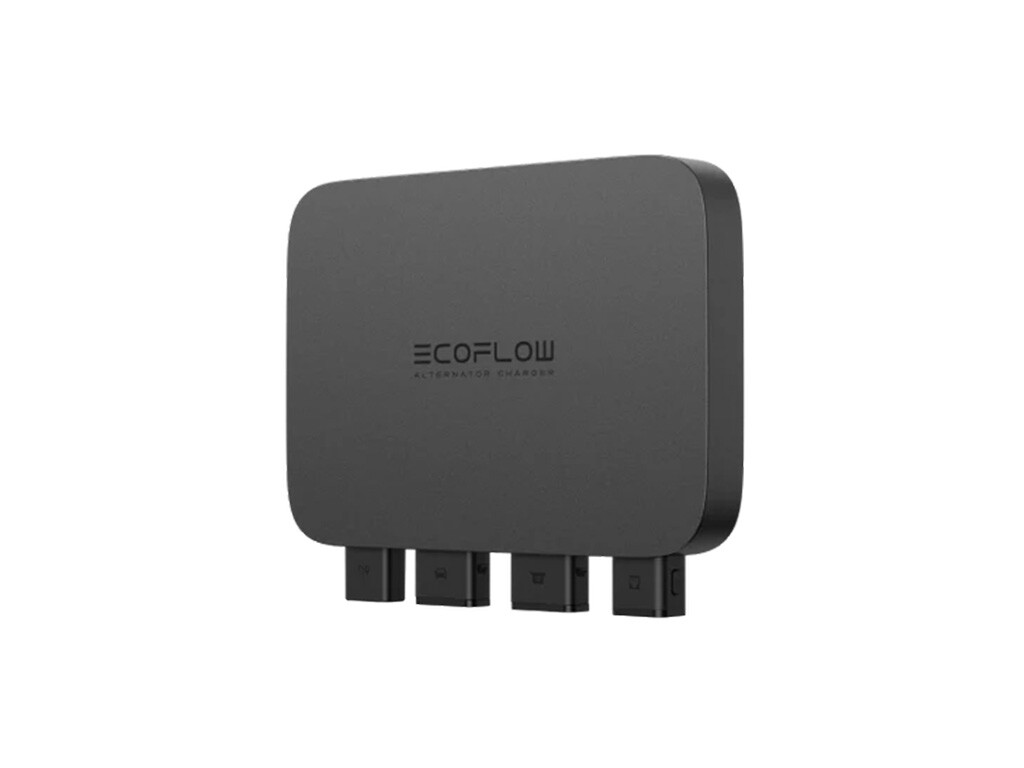
- Car Charging: The EcoFlow 800W Alternator Charger can turn any vehicle into a high-powered charging source for the Delta Pro 3. The Anker may use some universal car charger options but is otherwise limited to a very slow 120W from the standard 12V car cigarette lighter port. The Pecron 500W Car Charger is our top universal choice.
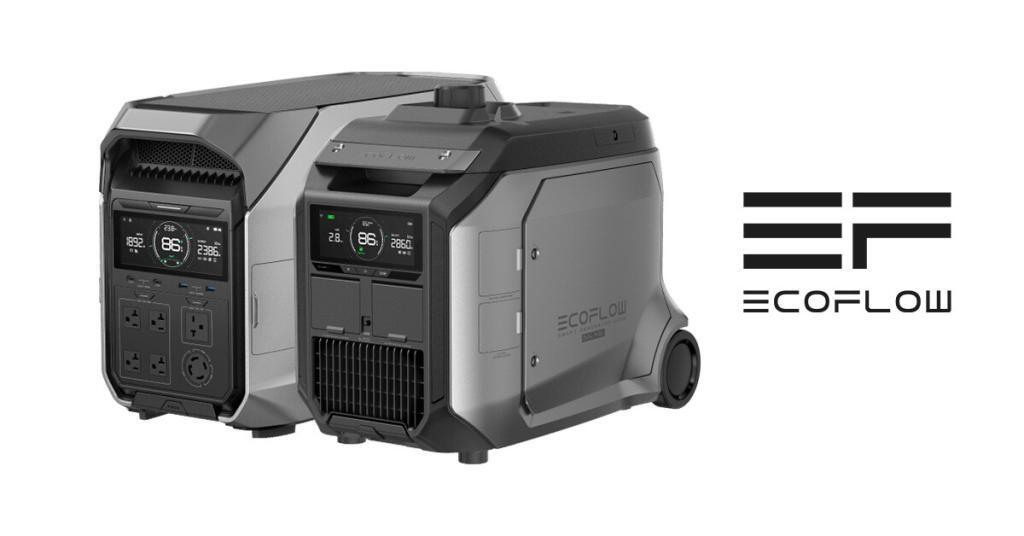
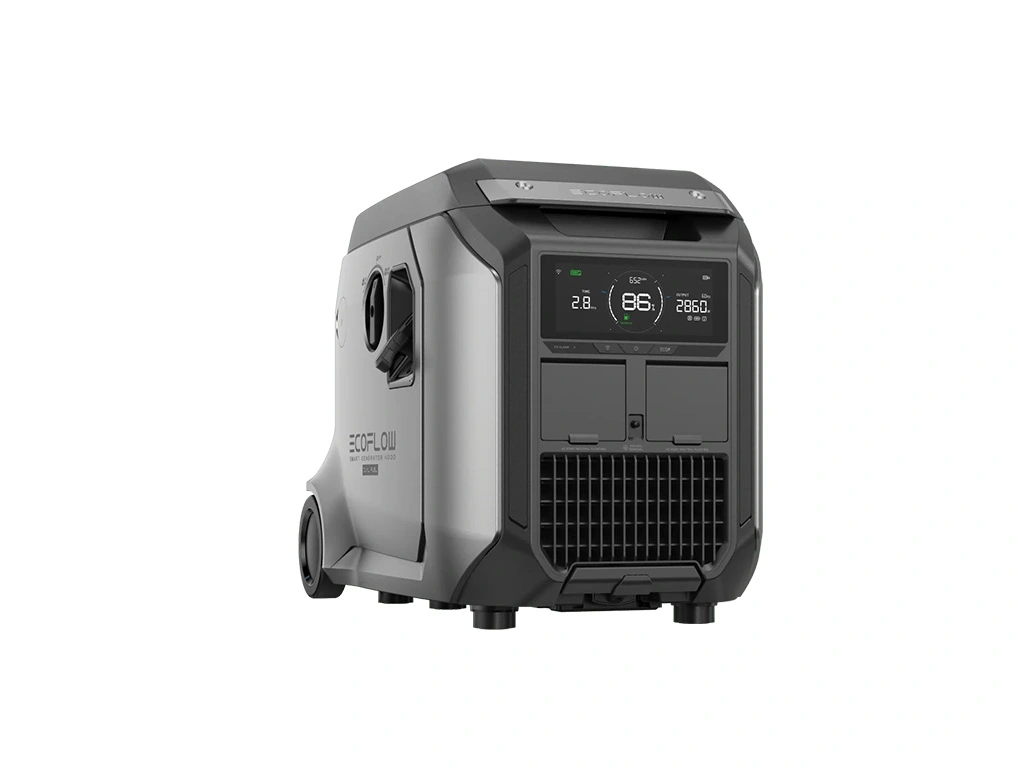
As a bonus, you can also use the EcoFlow Dual Fuel Smart Generator 4000 for super-fast gasoline or propane-based charging. The Anker can use common inverter generators, but once again, you’re going through the AC input at 1,800W max. It’s hard to compete with these complementary EcoFlow accessories that can make off-grid charging much more convenient.
|
EcoFlow Smart Generator 4000 (Dual Fuel) |
4kWSG on EcoFlow |
|
EcoFlow 800W Alternator Charger |
EFAC on EcoFlow EFAC on Amazon |
|
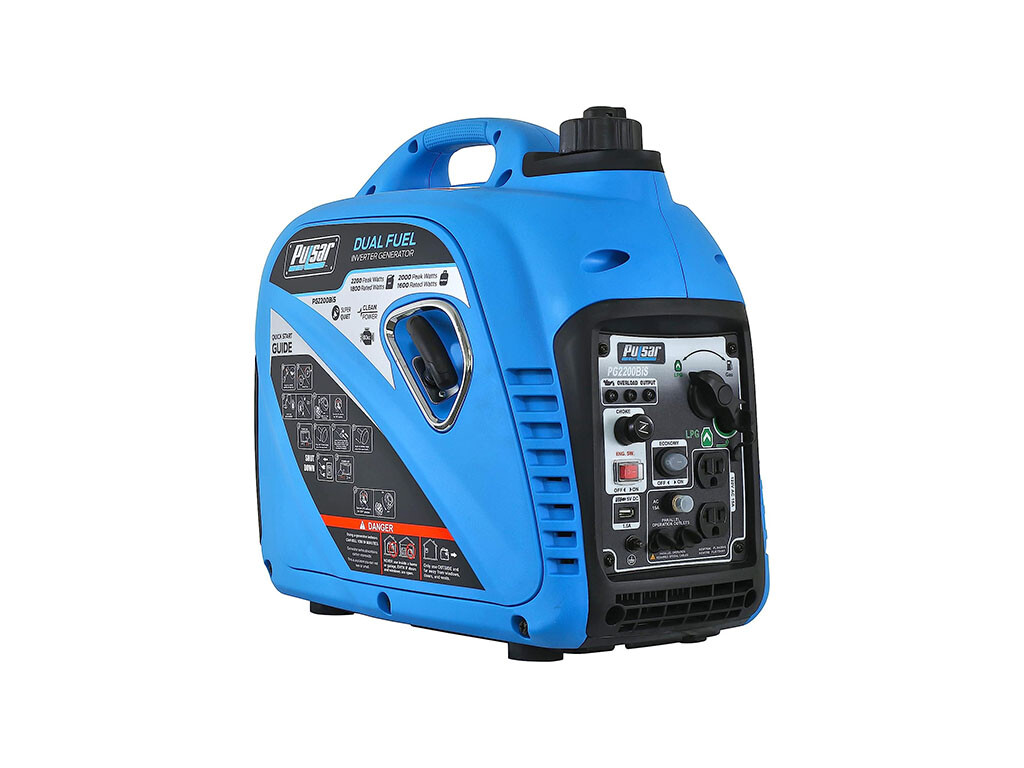
Pulsar 2,200W Portable Dual Fuel Generator |
Buy on Amazon |
Our biggest concern about the Anker is the solar charging. While 2,400W per F3800 seems sufficient, the reality can be more challenging than expected. There are two solar inputs (like the EcoFlow) but they both have a maximum voltage of 60V. This voltage can be awkward with larger 400W panels, requiring extensive use of parallel connections. You can learn more about maximizing power station solar inputs without causing damage in this article, which includes an interactive tool.
We find it easier to max out the Delta Pro 3 inputs and have a full list of solar panels compatible with the DP3.
Charging Verdict: The EcoFlow Delta Pro 3 wins for its superior AC charging speed, higher solar input capacity, and multiple accessories that provide flexible recharging options. While the Anker Solix F3800 offers solid solar performance, it lags in AC charging and the solar input max voltage can be challenging to work with.
| Product | EcoFlow DELTA Pro 3 | Anker Solix F3800 |
|---|---|---|
| AC Input | 4,800W | 1,800W |
| AC Recharge Hours (Est.) | 1h | 2.6h |
| Solar Input | 2,600W | 2,400W |
| Solar Recharge Hours (Est.) | 1.9h | 1.9h |
| Solar Input (System Max) | 7,800W | 4,800W |
| Solar Input 1 Watts | 1600W | 1200W |
| Solar Input 1 Volts Min | 30V | 11V |
| Solar Input 1 Volts Max | 150V | 60V |
| Solar Input 1 Amps | 15A | 27A |
| Solar Input 2 Watts | 1000W | 1200W |
| Solar Input 2 Volts Min | 11V | 11V |
| Solar Input 2 Volts Max | 60V | 60V |
| Solar Input 2 Amps | 20A | 27A |
On-the-Go Power: Portability, Weight, and Design
These high-powered units aren’t featherweight. But thoughtful design choices can make a big difference when handling and transporting them.
The EcoFlow Delta Pro 3 and Anker Solix F3800 feature integrated wheels and handles. The Anker has a hidden one on its underside, but it actually transports just the like the DP3. The F3800 is slightly heavier which is attributed to its larger inverter. Just remember that when you’re going for maximum systems, you can use three DP3 units and only two F3800s.
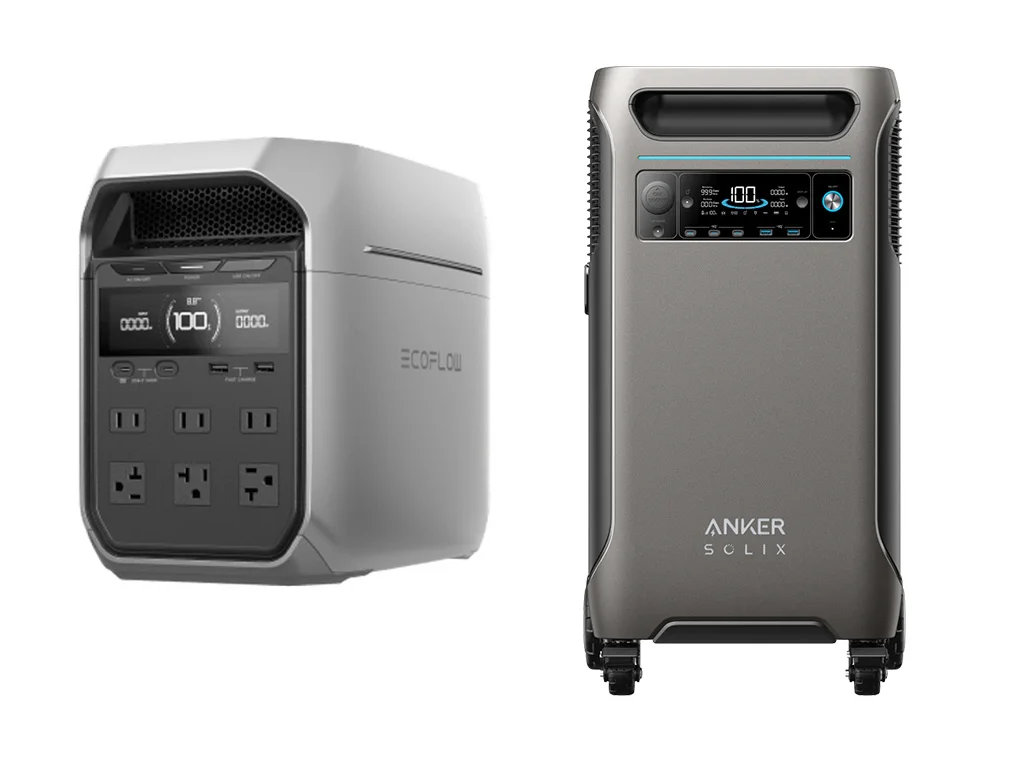
The dimensions are quite different, with the EcoFlow choosing a low-slung yet deep design while Anker goes for a taller shape with a smaller footprint.
As you stack on extra batteries, portability and space can be a concern. Both systems offer some ability to stack neatly, but they aren’t fully interlocked or secure. If you’re using them in an RV, you’ll need to lock them down yourself.
Portability Verdict: Neither one of these heavy-duty power stations is going to win a weight contest. The Anker is slightly heavier due to the more robust inverter and has a taller shape. EcoFlow sticks to a lower design that stretches deep instead of up.
| Product | EcoFlow DELTA Pro 3 | Anker Solix F3800 |
|---|---|---|
| Weight (lbs) | 113.5lbs | 132lbs |
| Weight (kg) | 51.5kg | 60kg |
| Dimensions (in) | 27.3×13.4×16.1in | 27.6×15.3×15.6 in |
| Dimensions (mm) | 693x341x410mm | 702x388x395mm |
Our Recommendation: EcoFlow Delta Pro 3 vs. Anker Solix F3800
After diving into the specs of the EcoFlow Delta Pro 3 and the Anker Solix F3800, the decision remains difficult. They each have unique advantages and disadvantages.
| EcoFlow Delta Pro 3 | Anker Solix F3800 |
|---|---|
The EcoFlow Delta Pro 3 excels in high-amp outputs, charging speed, and overall usability for a wide range of power needs. The solar input is easier to maximize thanks to the higher voltage limit, while the EcoFlow accessories offer undisputed flexibility for off-grid charging.
On the other hand, the Anker Solix F3800 offers greater battery expandability and higher single-unit continuous output. The charging limits may not be a major problem if you’re mostly relying on charging from standard AC sources and only using limited solar panels.
Key Highlights:
- Inverter and Outputs: Both have multiple high-amp and 240V outputs, but EcoFlow has more options and a DC high-amp choice.
- Battery Capacity: Anker has a higher expandability.
- Charging Speeds: EcoFlow leads with faster charging across the board.
- Portability: Both are portable with Anker offering a taller choice.
Final Recommendation: The EcoFlow Delta Pro 3 is our preferred choice, offering faster charging, greater versatility, and excellent performance across a wide range of use cases. The Anker Solix F3800 is a strong contender for those with heavy-duty power needs looking for maximum battery size, as long as solar isn’t a priority.
|
|
EcoFlow DELTA Pro 3 |
DP3 on EcoFlow DP3 on Amazon |
|
|
Anker Solix F3800 |
F3800 on Anker F3800 on Amazon |
Specs Comparison: EcoFlow Delta Pro 3 vs. Anker Solix F3800
Take a closer look at the EcoFlow Delta Pro 3 vs Anker Solix F3800 comparison chart of specs to see everything in one glance. We also have included links to the official user manuals.
| Product | EcoFlow DELTA Pro 3 | Anker Solix F3800 |
|---|---|---|
| Battery | 4,096Wh | 3,840Wh |
| Battery (System Max) | 36,864Wh | 53,760Wh |
| AC Output | 4,000W | 6,000W |
| AC Output (System Max) | 12,000W | 12,000W |
| AC Input | 4,800W | 1,800W |
| AC Recharge Hours (Est.) | 1h | 2.6h |
| Solar Input | 2,600W | 2,400W |
| Solar Recharge Hours (Est.) | 1.9h | 1.9h |
| Solar Input (System Max) | 7,800W | 4,800W |
| Warranty | 5 years | 5 years |
| Weight (lbs) | 113.5lbs | 132lbs |
| Weight (kg) | 51.5kg | 60kg |
| Dimensions (in) | 27.3×13.4×16.1in | 27.6×15.3×15.6 in |
| Dimensions (mm) | 693x341x410mm | 702x388x395mm |
| Solar Input 1 Watts | 1600W | 1200W |
| Solar Input 1 Volts Min | 30V | 11V |
| Solar Input 1 Volts Max | 150V | 60V |
| Solar Input 1 Amps | 15A | 27A |
| Solar Input 2 Watts | 1000W | 1200W |
| Solar Input 2 Volts Min | 11V | 11V |
| Solar Input 2 Volts Max | 60V | 60V |
| Solar Input 2 Amps | 20A | 27A |
| Battery Type | LiFePO4 / LFP | LiFePO4 / LFP |
| Battery Cycles | >3,000 | >3,000 |
| 120V Outlets | 5 (1xTT-30R) | 6x20A |
| 240V Outlets | 2 (L14-30 & 6-20R) | 2x25A (L14-30R & 14-50) |
| UPS / EPS | 10ms | 20ms |
| USB-A Ports | 2x18W | 2x12W |
| USB-C Ports | 2x100W | 3x100W |
| Other DC (Anderson or other) | 1x378W (30A) | – |
| DC 5521 (Barrel Plug) | 1x63W 5A | – |
| Connectivity | WiFi / Bluetooth | WiFi / Bluetooth |
| User Manual | User Manual | User Manual |
| Buy Now | Buy DP3 | Buy Now |
| Buy on Amazon | DP3 on Amazon | F3800 on Amazon |
|
|
EcoFlow DELTA Pro 3 |
DP3 on EcoFlow DP3 on Amazon |
|
|
Anker Solix F3800 |
F3800 on Anker F3800 on Amazon |
Get 5% off most EcoFlow orders with SOLARWAY5OFF discount code. See our EcoFlow Sales and Prices for more money-saving tips.
Final Thoughts
The EcoFlow Delta Pro 3 stands out with its superior charging speeds and the suite of EcoFlow add-ons that offer a more convenient use. It’s perfect for users needing a fast, reliable solution for home backup or large appliances, especially if they want to maximize solar charging.
The Anker Solix F3800 remains an impressive power station with larger battery expandability and higher single-unit continuous power output. The charging speeds can be a little more challenging to deal with, but it will have no problems handling bigtime home backup needs.
Check out our EcoFlow Delta Pro 3 review and Anker Comparison Chart for more details on each model.
Don’t wait. Now is the time to get the power station of your dreams and unlock the confidence of energy independence. Lower energy bills and a big tax credit can be in your hands.


