
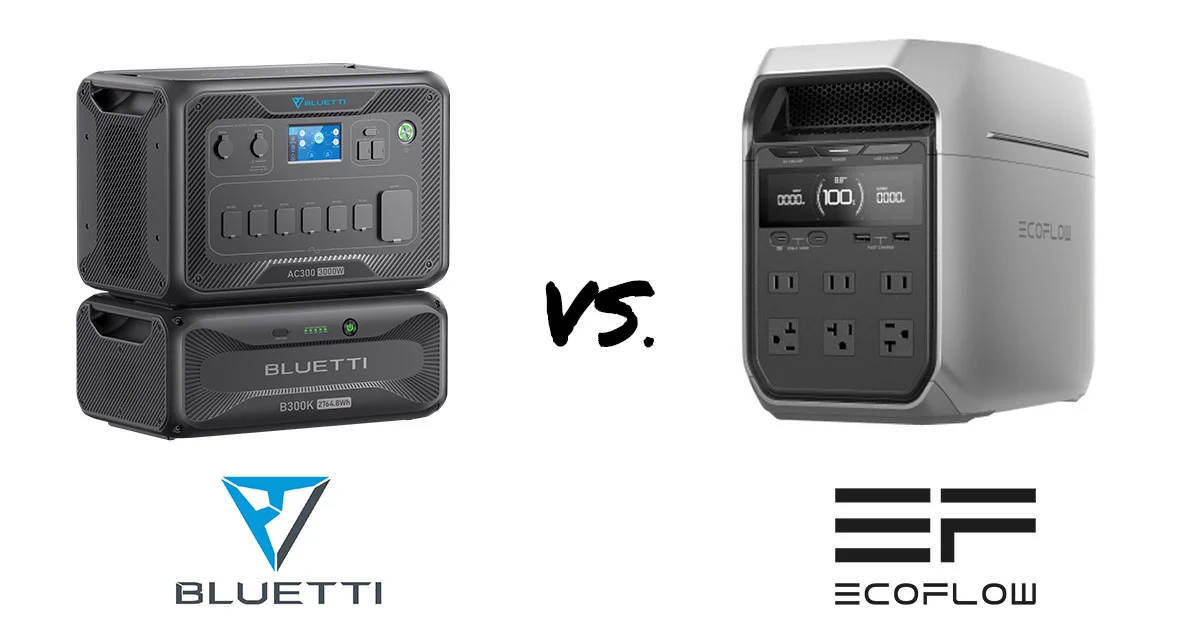
If you’re looking for a top-tier power solution, the EcoFlow Delta Pro 3 and the Bluetti AC300 are both worth consideration. We’re not counting out the original EcoFlow Delta Pro either. They’re all heavyweights capable of dishing out the big power to keep your devices humming whether you’re far from the grid or weathering out a storm.
This guide is here to compare these options head-to-head in a way that’s easy to understand. We’ll break down the most important specs and key differences to help you see which one is best for your needs. No questionable marketing numbers with hidden meanings. Just the real scoop of what these can power and for how long.
Is the Delta Pro 3 better than the Bluetti AC300? How does the original EcoFlow Delta Pro line up? Let’s discover the reality behind these power stations.
We carefully select the products and services we link to. If you buy through our links, we may earn a commission. There’s no extra cost to you and it helps us provide this information.
Brief Look: Which Is Better?
When it comes to portable power stations, EcoFlow and Bluetti are like the Ford and Chevy of the off-grid power world. Both have built a loyal following with their flagship products, but only one can claim the throne in this comparison of heavy-duty power stations.
The EcoFlow Delta Pro 3 edges ahead taking our recommended pick because it offers:
- Higher output power and battery capacity
- More high-amp outputs and faster UPS time
- Longer warranty coverage
The Delta Pro 3 (DP3) is EcoFlow’s second-largest option (behind the Delta Pro Ultra). The original Delta Pro is still around, for now. But as the newer, upgraded model, we highly recommend the DP3 over the original Delta Pro. Nonetheless, we’ll include details for the original Delta Pro in this comparison article as well.
We’re also not writing off the Bluetti entirely. Although the Bluetti AC500 is more similar to the EcoFlow DP3, the AC300 is still ready for major power needs and can compete with the DP3.
The Bluetti AC300 comes in at a lower price and includes these features:
- Superior solar inputs
- Much lighter and easier to move
- Two wireless charging pads
The Bluetti may not pack quite the punch of the Delta Pro 3, but it’s still an impressive power station.
When it comes to price, the Delta Pro 3 is the more expensive of the two, reflecting its superior capabilities with a larger battery and more powerful inverter. But for price per battery Wh, EcoFlow is just barely over the AC300 despite its superior performance. They both are well below many other power stations, meaning they’re both an excellent value. It is surprising that you can get a similar per Wh price yet get all the added DP3 features.
Don’t miss out on a big solar tax credit too!
Save 5% on most EcoFlow orders with SOLARWAY5OFF discount code.
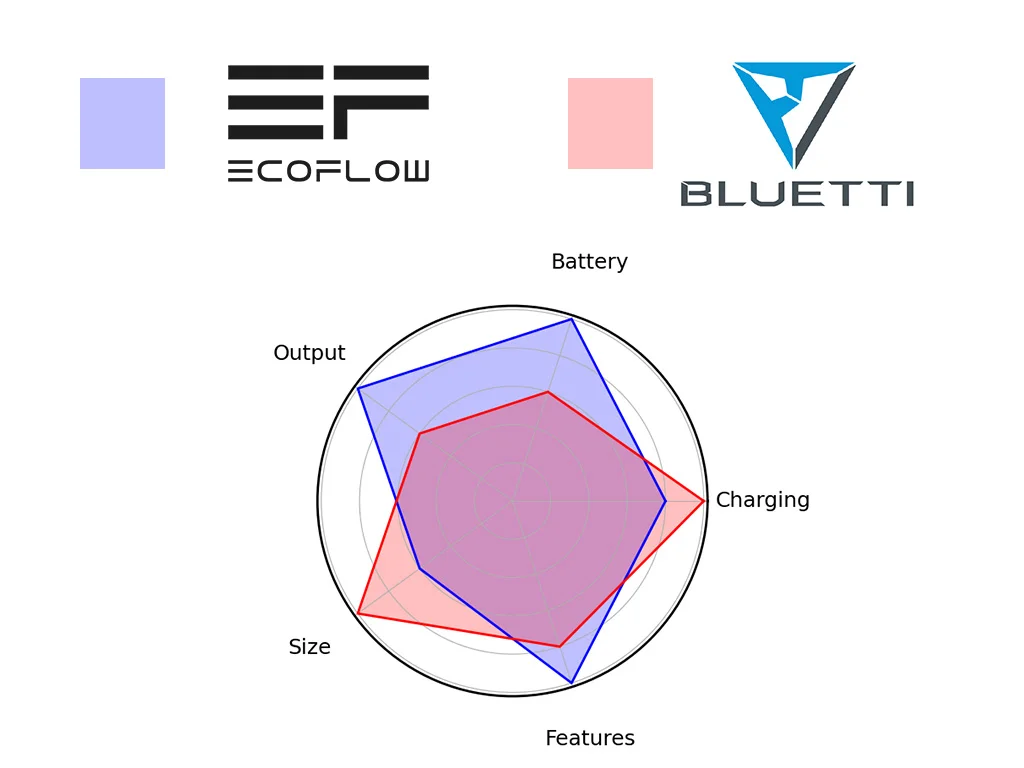
In the end, the EcoFlow Delta Pro 3 is better than the Bluetti AC300 due to more output power, battery capacity, and high-amp outputs. It’s also just a touch higher on a per Wh price despite its significantly better performance. However, those that want to stick with the lower cost of the Bluetti AC300 will still get a high-performing power station that’s easier to move and has solar charging ports that are easy to work with.

|
EcoFlow DELTA Pro 3 |
DP3 on EcoFlow DP3 on Amazon |

|
BLUETTI AC300 |
AC300 on Bluetti AC300 on Amazon |
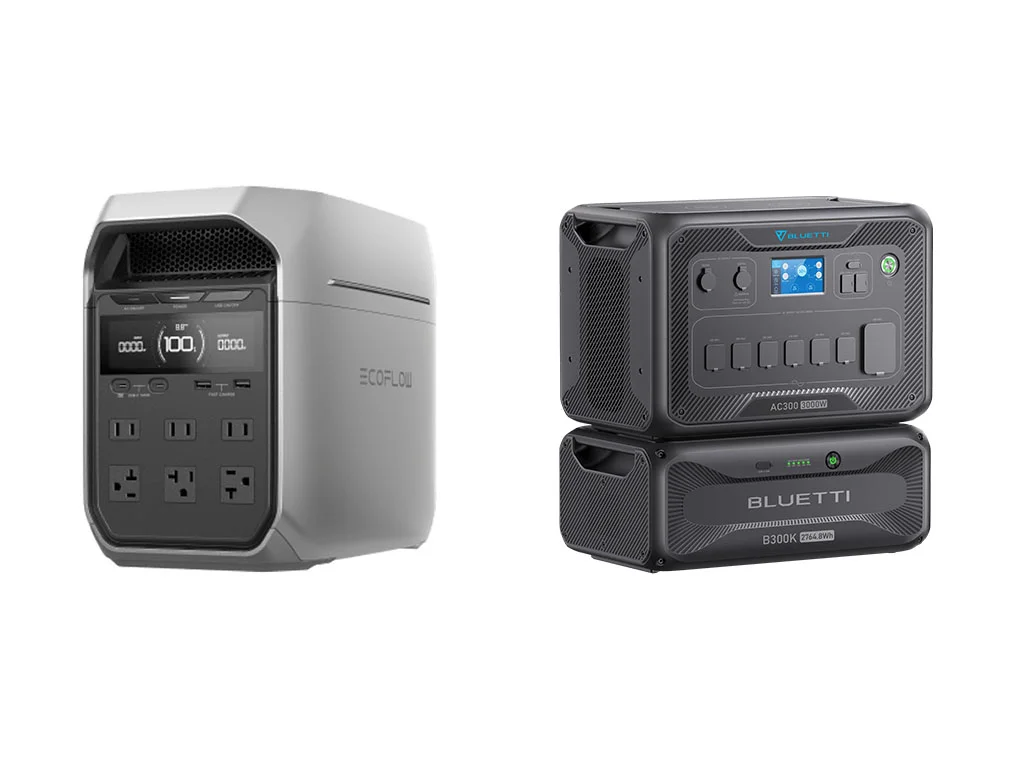
Head-to-Head: EcoFlow Delta Pro 3 vs. Bluetti AC300
We’re diving deep into every spec that matters. In the sections ahead, we’ll review key features and provide a clear side-by-side comparison to help you make the best choice.
Here’s a quick look at what we’ll be covering:
- What Can These Power? Inverter and Outputs
- How Big is the Battery? Battery Capacity and Performance
- How Fast Do They Charge? Input and Charging Speeds
- Can You Carry Them? Portability and Dimensions
- Which Should You Choose? Final Verdict and Recommendation
Power Up: Inverter and Outputs Unleashed
Choosing a portable power station is like picking the engine for your off-grid electrical system. And at the heart of that engine is the inverter. This little powerhouse converts direct current (DC) stored in the battery into the alternating current (AC) that powers most household devices.
Some inverters pack enough punch for heavy-duty appliances, while others are better suited for a weekend of camping gadgets. Here’s a breakdown of these power station inverter ratings:
- EcoFlow Delta Pro 3: Single-unit output of 4kW, up to 12kW with three units working together.
- Bluetti AC300: Single-unit output of 3kW, up to 6kW with two units.
- EcoFlow Delta Pro (original): 3.6kW in one unit, reaching up to 7.2kW as its max with two units.
Overall, the DP3 is not only the best single-unit power, but also goes far above the other two since you can use three units together.
Yet the 3kW of the AC300 is still a very powerful inverter that can run:
- 100W or less: Almost limitless amount of small devices (phone, tablet, laptop chargers, plus portable fridges).
- 200W to 500W: Around 5 to 10 large televisions, full-size refrigerators, desktop computers.
- 1,000W to 2,000W: Coffee maker, microwave, some induction cooktops.
The limits start if you run your normal setup of many devices with a fridge and computer, then turn on the microwave and coffee maker. You also can’t power things like a whole-home air conditioner with one AC300.
For those that want maximum power, there’s no beating the Delta Pro 3 in this comparison.
Outlets Galore: More Than Just AC
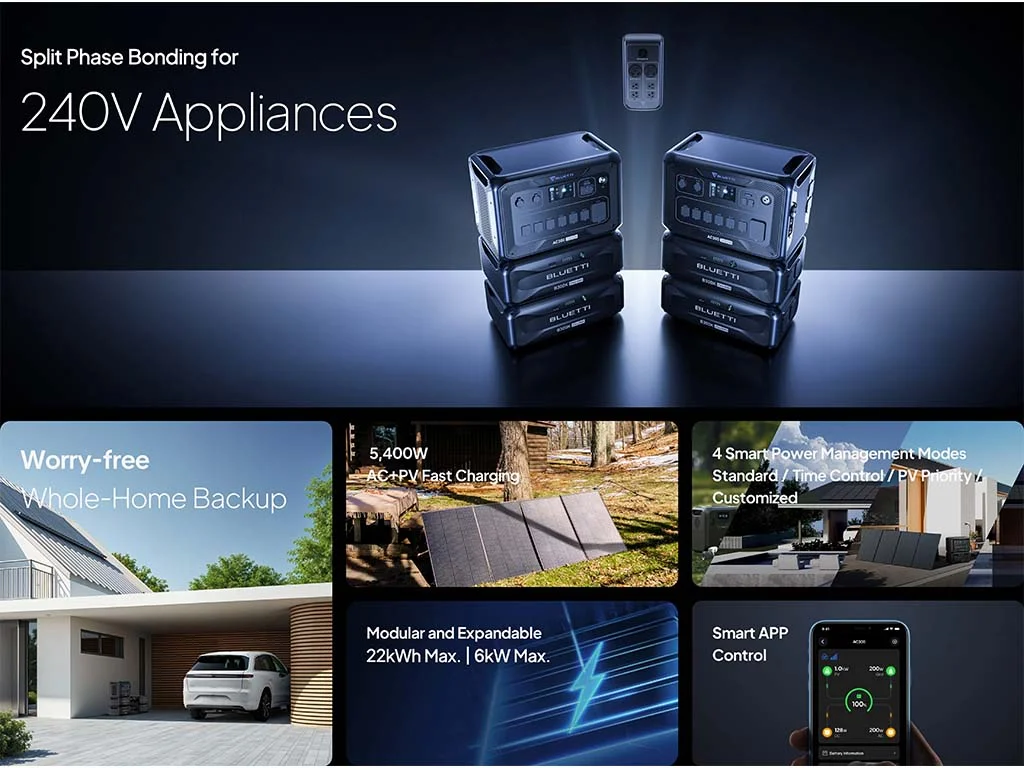
The first thing you’ll notice about both the Delta Pro 3 and AC300 is the sheer number of outlets. We’re not just talking about your standard AC plugs. These power stations come loaded with a variety of output options, including:
- High-amp AC outlets for powering home transfer switch or RV shore power
- High-amp DC outlet for running an entire DC fuse box
- USB ports for charging phones, tablets, and smaller gadgets
- Wireless charging pads (on the Bluetti) for phones or earbuds
The Delta Pro 3 takes the edge when it comes to raw power, boasting a 4,000W inverter with a 12,000W surge capability. In simple terms, this means you can comfortably run more energy-hungry devices like a full-size fridge, power tools, or even your home heating system.
Both units come equipped with an Uninterruptible Power Supply (UPS) function, a lifesaver if you rely on sensitive devices like a computer or CPAP machine. With the Delta Pro 3, the transfer time is a blazing-fast 10 milliseconds or less. It’s almost guaranteed your devices will keep running seamlessly. No data loss on your computer. The Bluetti AC300 also has a UPS function with a slightly longer transfer time of 20ms or less. That’s still fast enough to keep most devices online without skipping a beat, but not all.
Real-Life Scenarios: Which One Fits Your Life?
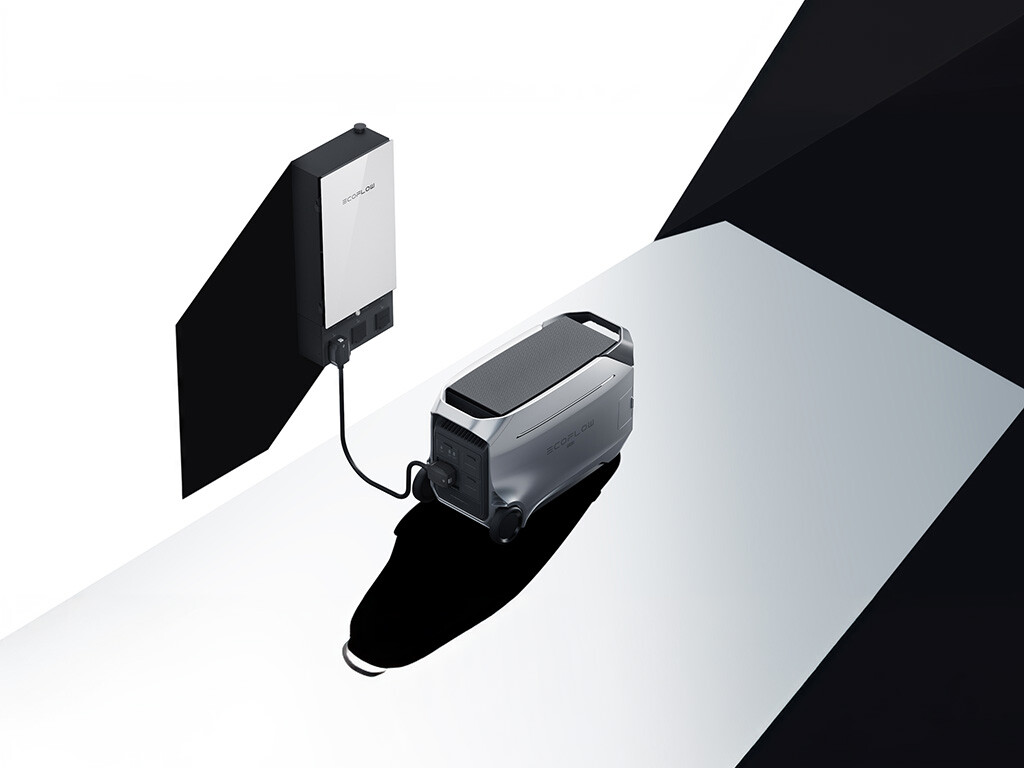
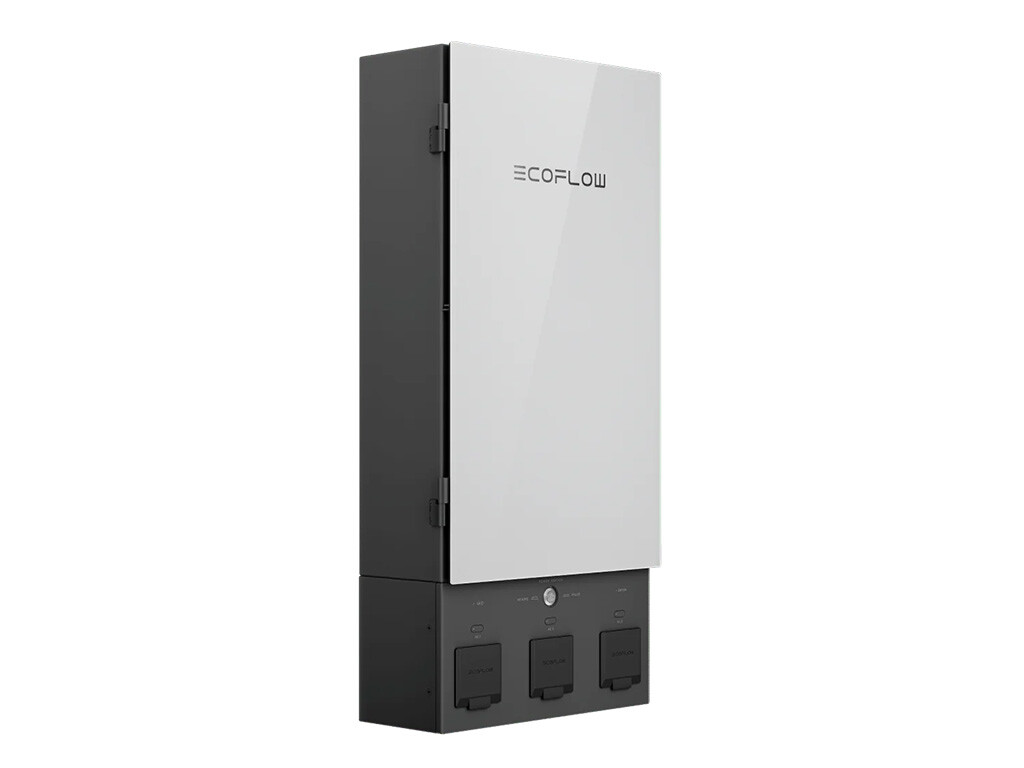
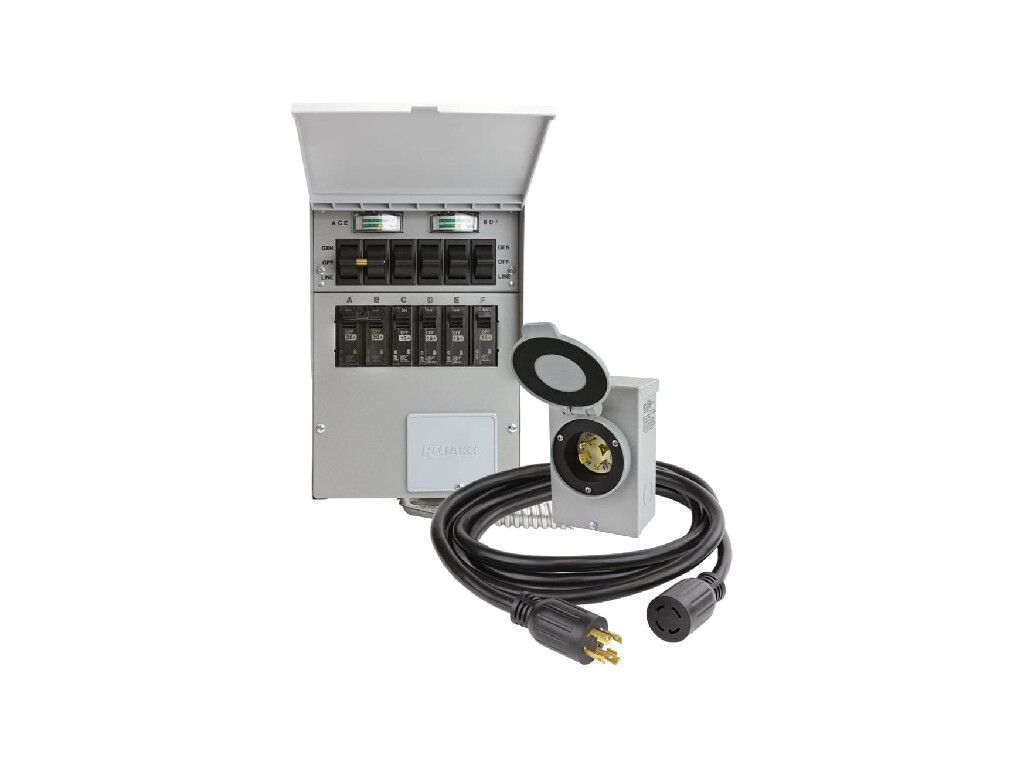
If you’re thinking of using one of these power stations for home backup, the Delta Pro 3’s larger inverter makes it the better choice. You can run several energy-hungry appliances at once, while constantly powering your fridge, TV, and a house full of handheld electronics. The EcoFlow Smart Home Panel 2 offers flawless integration with an intelligent automatic transfer switch and subpanel. You can use other transfer switches with the Bluetti AC300 too.
Hitting the road in an RV? Both power stations have high-amp outlets. EcoFlow has three to choose from, but the AC300 still has one that’s perfect for most shore power inlets. Either will work, but if you need to power an air conditioner and your kitchen appliances, the Delta Pro 3’s larger inverter is the better pick.
Looking to power some tools, a portable fridge, and some lights? The tools are somewhat intensive, but typically no more than 2,000W. The AC300 will do the trick. If you want to keep a lot of devices running while also using big tools, then go for the DP3.
Output Verdict: The EcoFlow Delta Pro 3 stands tall with its 4,000W inverter, 12,000W maximum, and faster <10ms UPS transfer time. It’s the top pick for heavy-duty users powering a handful of electronics plus bigger appliances together. The Bluetti AC300 is less powerful but can still handle critical home appliances including fridge and TV. You’ll have to use more caution while using high-energy devices.
|
|
EcoFlow Smart Home Panel 2 |
SHP2 on EcoFlow |
|
Reliance Controls 306CRK Transfer Switch Kit |
Buy on Amazon |
|
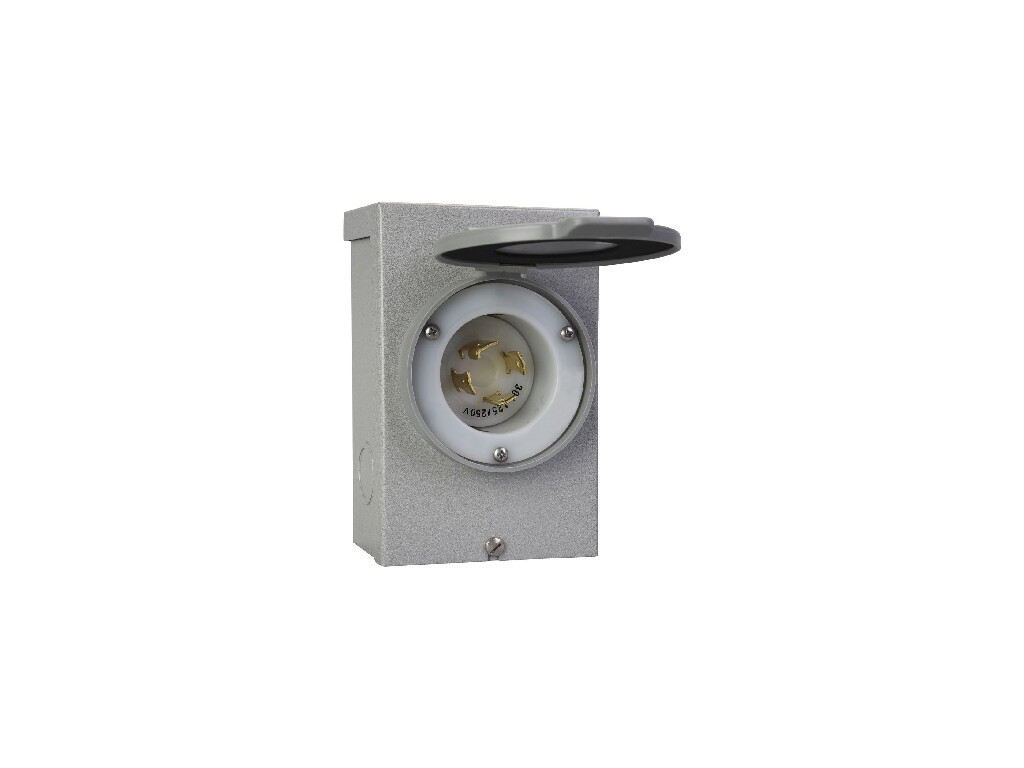
Reliance Controls PB30 30-Amp Generator Inlet Box |
Buy on Amazon |
| Product | EcoFlow DELTA Pro 3 | BLUETTI AC300 |
|---|---|---|
| AC Output | 4,000W | 3,000W |
| AC Output (System Max) | 12,000W | 6,000W |
| AC Output Peak | 8,000W | 6,000W |
| 120V Outlets | 5 (1xTT-30R) | 7 total (6x20A; 1x30A) |
| 240V Outlets | 2 (L14-30 & 6-20R) | – |
| UPS / EPS | 10ms | 20ms |
| USB-A Ports | 2x18W | 2x15W; 2x18W |
| USB-C Ports | 2x100W | 1x100W |
| Other DC (Anderson or other) | 1x378W (30A) | 30A |
| DC 5521 (Barrel Plug) | 1x63W 5A | – |
| Cigarette Lighter | – | 1x240W |
| Wireless Charging Pad | – | 2x15W |
| Connectivity | WiFi / Bluetooth | WiFi / Bluetooth |
Battery Breakdown: Capacity and Real-World Performance
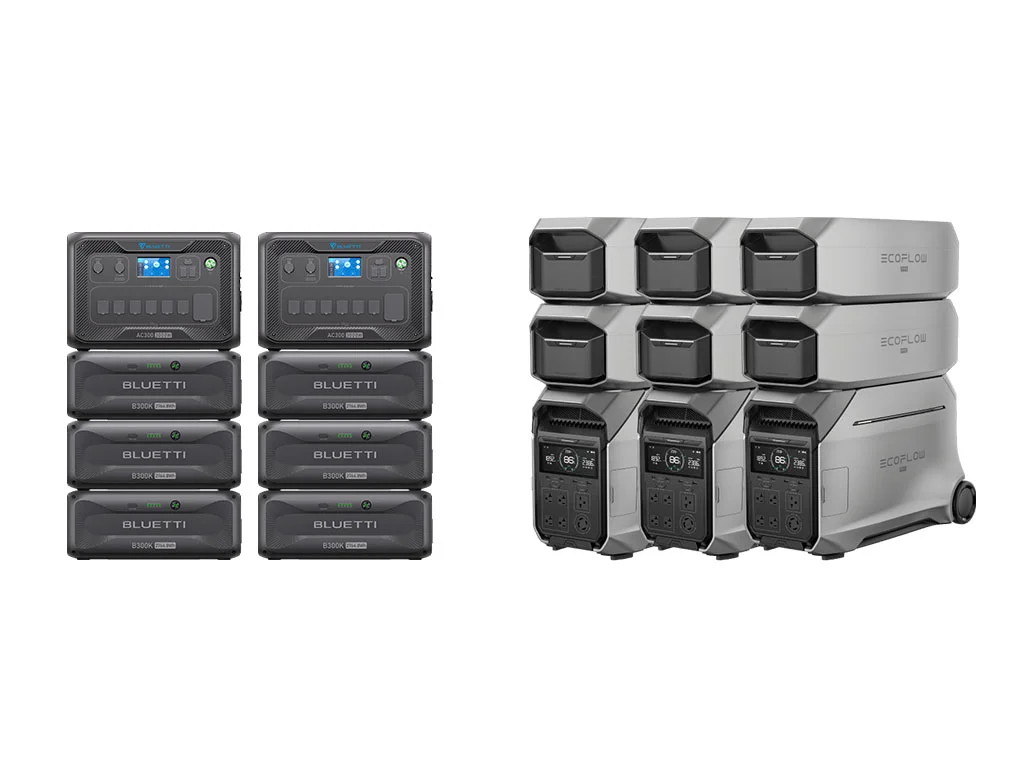
The battery determines just how much juice you have to keep your devices running. The EcoFlow Delta Pro 3 offers a whopping 4,096Wh of battery capacity, while the Bluetti AC300 provides 2,765Wh.
In typical usage scenarios:
- For camping, both power stations can easily handle running lights, a portable fridge, and small gadgets for days on end. You’ll be beyond pleased with the performance.
- For home backup or RV use, they can power critical devices like phones, a fridge, a TV, a WiFi router, and some lights for several hours. That’s around 500W, so the Bluetti 3kWh battery can last around 4.5 hours. The EcoFlow will be around 6.5 hours, about 30% more time.
Both units allow for battery expansion, but the EcoFlow Delta Pro 3 takes the lead with a maximum expansion of 36,864Wh when paired with extra batteries, extending usage times dramatically for off-grid setups or home backup. The Bluetti AC300 also offers modular expansion, maxing out at 22,118Wh, which is still enough to power your home essentials for extended periods.
You’ll find high-quality LiFePO4 batteries tucked inside of these two units. Bluetti and EcoFlow don’t mess around. They stick to long-lasting batteries rated for around 8 to 10 years of daily charging and discharging. The warranty coverage is solid for both, with the Delta Pro 3 offering a 5-year warranty, compared to Bluetti’s 4-year warranty.
Battery Verdict: The EcoFlow Delta Pro 3 wins this round with its larger battery capacity, longer runtime, and greater expansion potential. Plus an extra year of warranty coverage. Meanwhile, the Bluetti AC300 is still a strong contender that can offer long-lasting power. Just not quite as much as the EcoFlow. You need to use the AC500 to reach that high with a Bluetti.
| Product | EcoFlow DELTA Pro 3 | BLUETTI AC300 |
|---|---|---|
| Battery | 4,096Wh | 2,765Wh |
| Battery (System Max) | 36,864Wh | 22,118Wh |
| Warranty | 5 years | 4 years |
| Battery Type | LiFePO4 / LFP | LiFePO4 / LFP |
| Battery Cycles | >3,000 | >3,000 |
Charging Up: Speeds and Input Power
Fast charging is essential if you’re constantly on the move or prepping for an emergency, two of the best uses for power stations. The quicker you can top off your power supply, the sooner you’re ready to go.
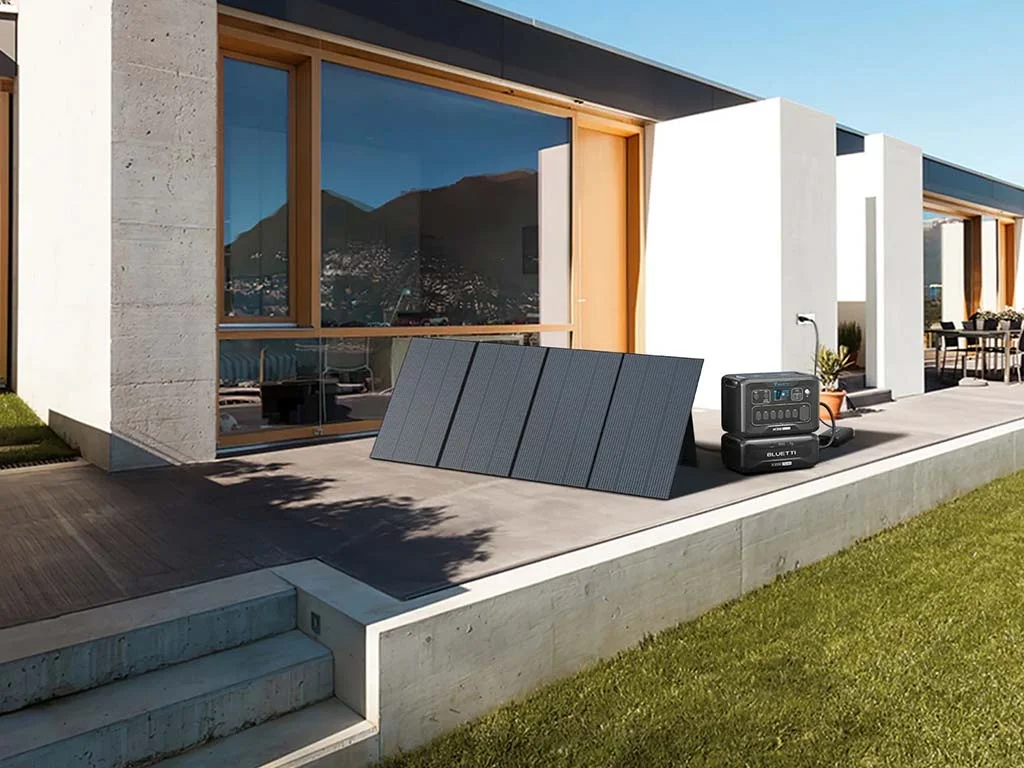
The EcoFlow Delta Pro 3 and Bluetti AC300 offer some of the best all-around charging inputs you can imagine. Some other brands neglect this critical feature. Not these two. The original Delta Pro shows its age with subpar solar input about 1,000W less than the other two.
Here’s a quick look at the various charging methods:
- AC outlet charging: EcoFlow Delta Pro 3 in about an hour with a powerful 4,800W input; Bluetti AC300 isn’t far behind with 3,000W. Just know that most home outlets are 120V with 15A max. That’s only 1,800W. You need a high-powered source to get close to using these max numbers.
- Solar panel charging: The higher the solar input (measured in watts), the faster you can charge off the grid. These are nearly identical with about 2.5kW solar each. However, the AC300 has two identical ports with up to 150V on each. The DP3 has one with 150V and one with 60V, which can make configurations of solar panels more difficult to maximize charging without damage.
- Fuel generators: A handy backup when solar isn’t an option. Both can use a standard inverter generator connected to the AC charging port. However, the EcoFlow Dual Fuel Smart Generator has DC-DC connection to boost times, and tons of other nice features.
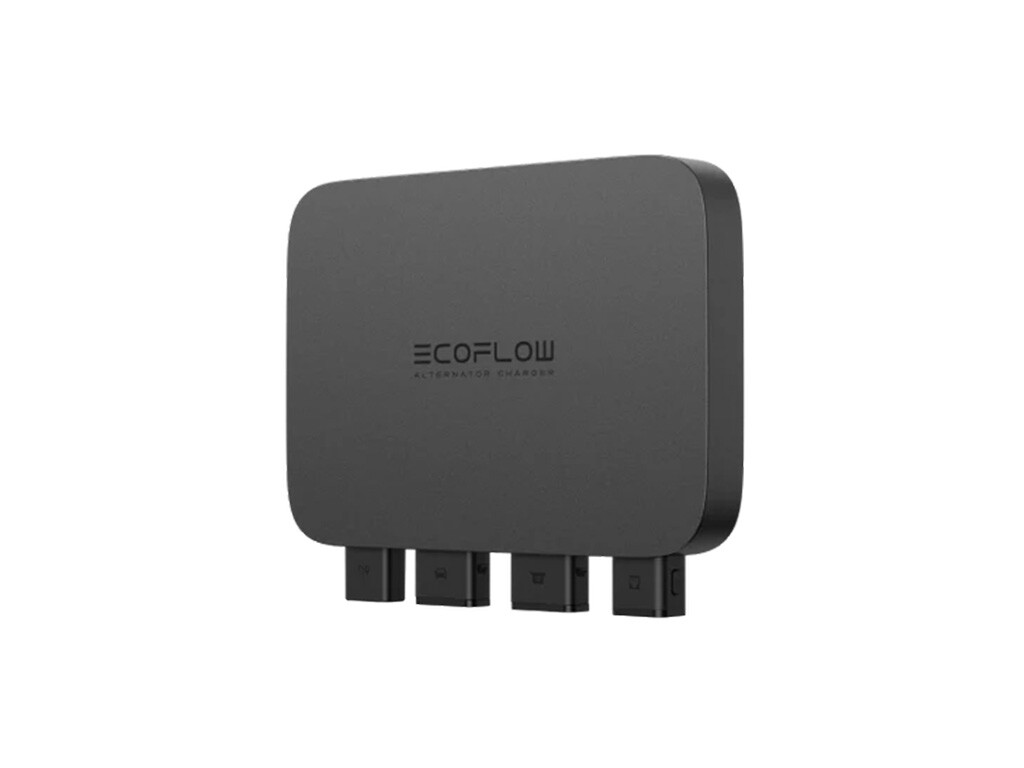
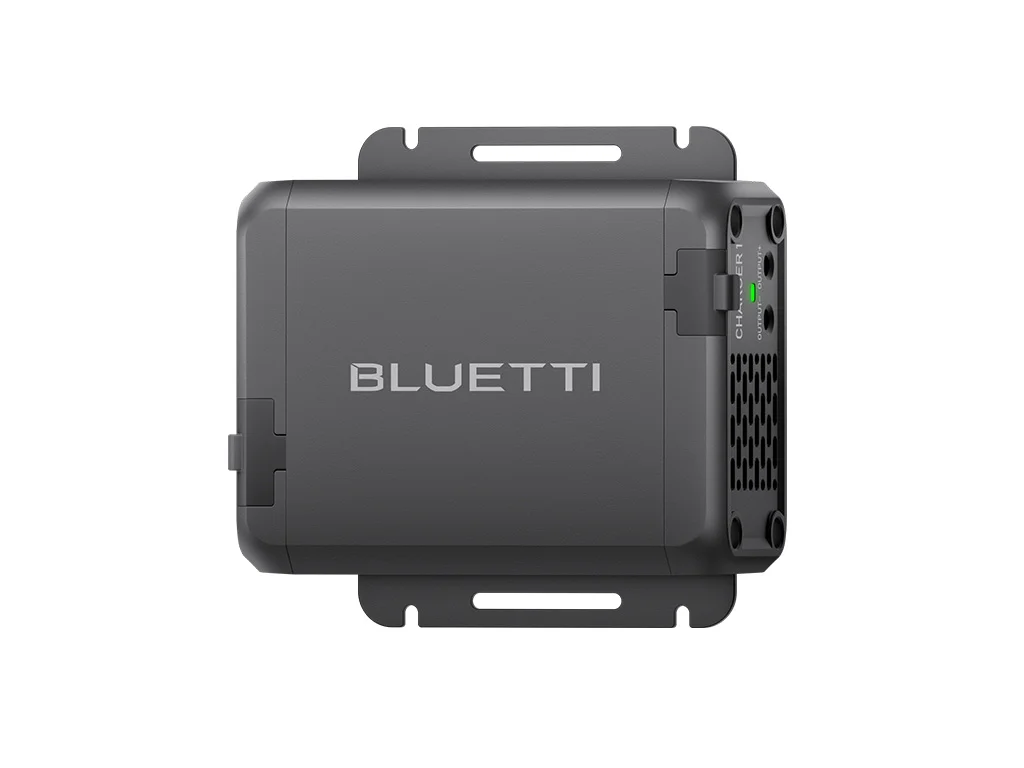
- Car charging: Typically not worth it for big units like these due to limited 120W output from a car’s cigarette lighter port. However, you have options now. Both brands have high-powered alternator chargers to step up charging power while driving. See the EcoFlow 800W Alternator Charger and the Bluetti 560W Alternator Charger 1.
Charging Verdict: EcoFlow has marginally faster charging rates and a unique Dual Fuel Generator that’s very useful. But we like the Bluetti AC300’s high-voltage solar inputs which will make hitting that 2,400W maximum much easier. Both brands now have excellent alternator chargers if you’re wanting to use your vehicle’s engine to recharge the power station.
|
EcoFlow 800W Alternator Charger |
EFAC on EcoFlow EFAC on Amazon |
|
BLUETTI Alternator Charger 1 |
Charger on Bluetti |
| Product | EcoFlow DELTA Pro 3 | BLUETTI AC300 |
|---|---|---|
| AC Input | 4,800W | 3,000W |
| AC Recharge Hours (Est.) | 1h | 1.1h |
| Solar Input | 2,600W | 2,400W |
| Solar Recharge Hours (Est.) | 1.9h | 1.4h |
| Solar Input (System Max) | 7,800W | 4,800W |
| Solar Input 1 Watts | 1600W | 1200W |
| Solar Input 1 Volts Min | 30V | 12V |
| Solar Input 1 Volts Max | 150V | 150V |
| Solar Input 1 Amps | 15A | 12A |
| Solar Input 2 Watts | 1000W | 1200W |
| Solar Input 2 Volts Min | 11V | 12V |
| Solar Input 2 Volts Max | 60V | 150V |
| Solar Input 2 Amps | 20A | 12A |
| Buy Now | Buy DP3 | Buy AC300 |
| Buy on Amazon | DP3 on Amazon | AC300 on Amazon |

Size and Portability: How Heavy Are They?
Portable power stations have a huge advantage over DIY setups. You can take them with you! When it comes to moving these heavy-duty power stations around, weight matters.
The EcoFlow Delta Pro 3 is a beast with an integrated battery. It weighs a back-throbbing 113.5lbs (51.5kg). It has wheels but it’s not something you’ll want to move around too often.
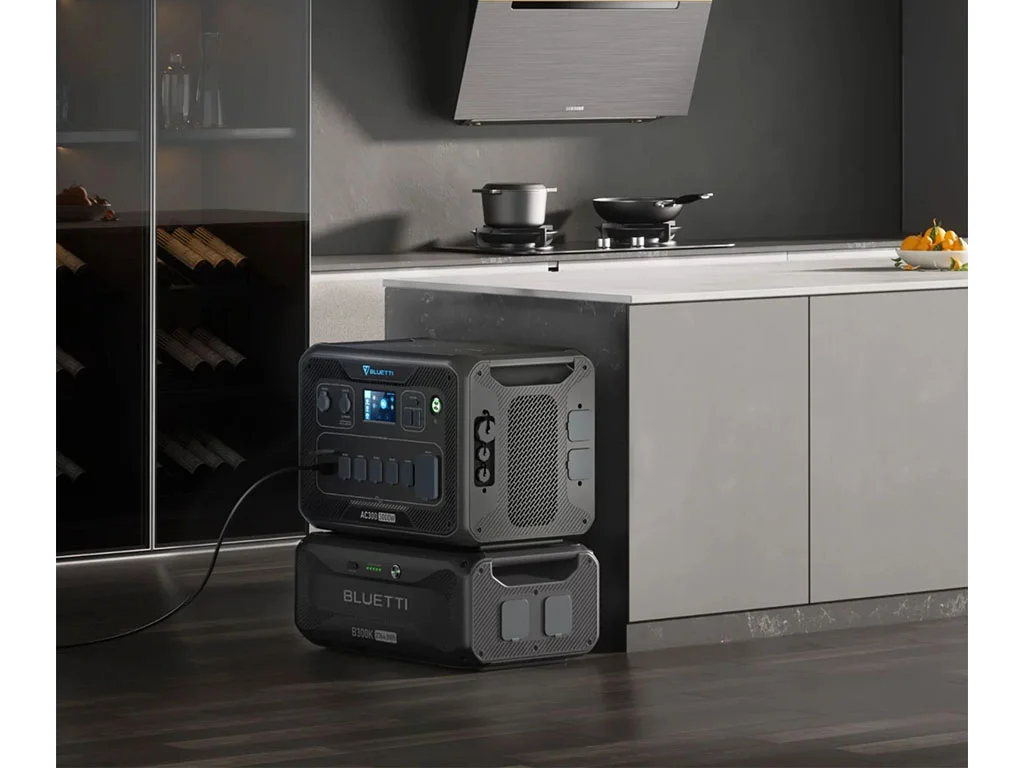
The Bluetti AC300 keeps the battery separate. Which is slightly inconvenient since you always have two units to handle (main inverter unit plus battery unit). But it comes with a serious weight advantage, clocking in at just 48lbs (22kg).
Portability Verdict: The Bluetti AC300 is the more portable option with its separate battery design that keeps weight down. The EcoFlow Delta Pro 3 is a heavy monster although you’ll find the built-in wheels and handle quite useful.
| Product | EcoFlow DELTA Pro 3 | BLUETTI AC300 |
|---|---|---|
| Weight (lbs) | 113.5lbs | 47.6lbs |
| Weight (kg) | 51.5kg | 21.6kg |
| Dimensions (in) | 27.3×13.4×16.1in | 20.5×12.5×14.1in |
| Dimensions (mm) | 693x341x410mm | 520x320x358mm |
Final Verdict: Our Recommendation
After digging into the details of the EcoFlow Delta Pro 3 and Bluetti AC300, this is a David vs. Goliath battle. The Delta Pro 3 towers over the AC300 with more single-unit and expansion power, better output options, and faster UPS. Yet it still has almost the same price per Wh.
However, the AC300 keeps the overall price way down and still hits a lower price per Wh usually. It’s still packing big energy that can handle home backup needs, although limits happen when using high-energy appliances. If you need more power and want to stick with Bluetti, reach for the AC500.
The original EcoFlow Delta Pro is similar to the AC300 figures but with a much worse solar input and longer UPS time.
| EcoFlow Delta Pro 3 | Bluetti AC300 |
|---|---|
Let’s recap the key points:
- Inverter Power: The Delta Pro 3 leads with a 4,000W inverter, perfect for handling larger loads like full-size fridges and power tools. The AC300, with its 3,000W inverter, is solid but more suited for moderate power needs.
- Battery Capacity: The Delta Pro 3’s larger battery gives it a significant edge in both longevity and output, especially when you’re running multiple devices.
- Charging Speeds: EcoFlow takes the lead again with faster AC and solar input rates, but Bluetti’s high solar voltage is very practical and makes it much easier to reach the 2,400W maximum.
- Portability: The Bluetti AC300, with its modular design, is easier to transport in pieces, while the heavier Delta Pro 3 is more suited for home or stationary use.
Final Recommendation: The EcoFlow Delta Pro 3 is superior to the Bluetti AC300 with more robust battery capacity and inverter output. It has faster UPS and an extra year of warranty coverage too. The Bluetti AC300 stands out with its lower price, lighter weight, and ideal solar inputs with high voltage limits. And it still has bigtime power with high-amp outputs for RVs and home backup use.
|
|
EcoFlow DELTA Pro 3 |
DP3 on EcoFlow DP3 on Amazon |
|
|
BLUETTI AC300 |
AC300 on Bluetti AC300 on Amazon |
Spec Comparison Chart: EcoFlow Delta Pro 3 vs Bluetti AC300
Check out the EcoFlow Delta Pro 3 vs. Bluetti AC300 comparison chart below to see their key specs laid out side-by-side. We’ve also included the original EcoFlow Delta Pro and the larger Bluetti AC500 for your reference too. This table provides a clear snapshot of the features that matter most, as well as links to the user manuals for every option in this comparison:
| Product | Battery | Battery (System Max) | AC Output | AC Output (System Max) | AC Output Peak | AC Input | AC Recharge Hours (Est.) | Solar Input | Solar Recharge Hours (Est.) | Solar Input (System Max) | Warranty | Weight (lbs) | Weight (kg) | Dimensions (in) | Dimensions (mm) | Solar Input 1 Watts | Solar Input 1 Volts Min | Solar Input 1 Volts Max | Solar Input 1 Amps | Solar Input 2 Watts | Solar Input 2 Volts Min | Solar Input 2 Volts Max | Solar Input 2 Amps | Battery Type | Battery Cycles | 120V Outlets | 240V Outlets | UPS / EPS | USB-A Ports | USB-C Ports | Other DC (Anderson or other) | DC 5521 (Barrel Plug) | Cigarette Lighter | Wireless Charging Pad | Connectivity | User Manual | Buy Now | Buy on Amazon |
|---|---|---|---|---|---|---|---|---|---|---|---|---|---|---|---|---|---|---|---|---|---|---|---|---|---|---|---|---|---|---|---|---|---|---|---|---|---|---|
| EcoFlow DELTA Pro 3 | 4,096Wh | 36,864Wh | 4,000W | 12,000W | 8,000W | 4,800W | 1h | 2,600W | 1.9h | 7,800W | 5 years | 113.5lbs | 51.5kg | 27.3×13.4×16.1in | 693x341x410mm | 1600W | 30V | 150V | 15A | 1000W | 11V | 60V | 20A | LiFePO4 / LFP | >3,000 | 5 (1xTT-30R) | 2 (L14-30 & 6-20R) | 10ms | 2x18W | 2x100W | 1x378W (30A) | 1x63W 5A | – | – | WiFi / Bluetooth | User Manual | Buy DP3 | Buy on Amazon |
| EcoFlow DELTA Pro | 3,600Wh | 21,600Wh | 3,600W | 7,200W | 7,200W | 3,000W | 1.4h | 1,600W | 2.7h | 4,800W | 5 years | 99lbs | 45kg | 25×11.2×16.4in | 635x284x420mm | 1600W | 11V | 150V | 15A | – | – | – | – | LiFePO4 / LFP | >4,000 | 4 | 1 | 30ms (EPS) | 4x12W/18W | 2x100W | 1x378W (30A) | 2x38W 3A | 1x126W | – | WiFi / Bluetooth | User Manual | Buy DP | Buy on Amazon |
| Bluetti AC500 | 3,072Wh | 36,864Wh | 5,000W | 10,000W | 10,000W | 5,000W | 0.7h | 3,000W | 1.2h | 6,000W | 4 years | 66.2lbs | 30kg | 20.5×12.8×14.1in | 520x325x358mm | 3000W | 12V | 150V | 15A | – | – | – | – | LiFePO4 / LFP | >3,500 | 6 total (3x20A; 2x30A; 1x50A) | – | 20ms | 2x15W; 2x18W | 2x100W | 30A | – | 1x240W | 2x15W | WiFi / Bluetooth | User Manual | Buy AC500 | Bluetti AC500 on Amazon |
| BLUETTI AC300 | 2,765Wh | 22,118Wh | 3,000W | 6,000W | 6,000W | 3,000W | 1.1h | 2,400W | 1.4h | 4,800W | 4 years | 47.6lbs | 21.6kg | 20.5×12.5×14.1in | 520x320x358mm | 1200W | 12V | 150V | 12A | 1200W | 12V | 150V | 12A | LiFePO4 / LFP | >3,000 | 7 total (6x20A; 1x30A) | – | 20ms | 2x15W; 2x18W | 1x100W | 30A | – | 1x240W | 2x15W | WiFi / Bluetooth | User Manual | Buy AC300 | AC300 on Amazon |
Save 5% on most EcoFlow orders with SOLARWAY5OFF discount code. See our EcoFlow Prices and Deals page for more money-saving tips.
|
|
EcoFlow DELTA Pro 3 |
DP3 on EcoFlow DP3 on Amazon |
|
|
BLUETTI AC300 |
AC300 on Bluetti AC300 on Amazon |
Wrap Up
There’s no doubting the superiority of the EcoFlow Delta Pro 3 with its larger battery, powerful 4,000W inverter, and super-fast UPS transfer time. It’s modular expansion goes far above the original Delta Pro and the AC300, making it the best choice for heavy-duty home backup or serious off-grid setups.
The Bluetti AC300 keeps price and weight down, while still offering bigtime power and expansion, capped off with high-amp outputs and unique wireless charging pads. We love the AC300 for RV owners or those needing more portable power solutions.
Looking for more in-depth details? Explore our EcoFlow Delta Pro 3 review or Bluetti AC300 review for individual insights. You can also dive into our other comparison articles for more options:
- EcoFlow Delta Pro 3 vs. Bluetti AC500
- EcoFlow Delta Pro 3 vs. Jackery 2000 Plus
- Bluetti Comparison Chart
- EcoFlow Comparison Chart
- Bluetti vs. Jackery vs. EcoFlow
Whether you’re preparing for power outages or planning an off-grid adventure, the right power station can make all the difference. Choose the one that best fits your needs and keep your life powered up today.


