

The EcoFlow Delta Pro 3 and Jackery Explorer 2000 Plus represent two strong contenders in the race for off-grid power. With big promises to keep your electronics and appliances running, these heavy-duty choices can unlock a new level of confidence through any power outage or adventure.
In this detailed comparison, we’ll break down the key differences in battery life, output power, charging speed, and overall portability. By translating the long list of specs into the most important real-world takeaways, you can see which is best for your situation.
Let’s get started with this EcoFlow Delta Pro 3 vs. Jackery Explorer 2000 Plus comparison.
We carefully select the products and services we link to. If you buy through our links, we may earn a commission. There’s no extra cost to you and it helps us provide this information.

Quick Look: Big Promises, Bigger Power
Whether you need a powerhouse to keep your home functioning during an outage or a portable solution for camping or RV trips, these options shine in different ways. There’s one undeniable feature for both: the brands are the highest quality power station producers. Jackery has been around the game the longest, while EcoFlow has unleashed a new world of power station possibility, developing a fanatic following in the process. You are in good hands.
A quick glance at the capabilities of the EcoFlow Delta Pro 3 and Jackery 2000 Plus looks fairly similar. They both have big batteries with serious modular expansion potential. The inverters are serious business, ready for big appliances and many devices at once. And they come with all the bells and whistles you need, like a long 5 year warranty, lofty solar charging input, and high-amp outlets.
Did you know some power stations can qualify for the solar tax credit? Up to 30% back in your pocket.
Get 5% off EcoFlow orders with SOLARWAY5OFF discount code.
Yet when you inspect the details, the EcoFlow Delta Pro 3 takes the crown. It outperforms in key areas that matter for heavy-duty users:
- Larger battery capacity
- Higher AC output (up to 12kW)
- 240V outputs and more high-amp outlets
- EcoFlow-specific home integration and charging accessories
We’re not throwing away the Jackery Explorer 2000 Plus entirely. It offers a more compact, affordable option while still delivering solid performance, especially for outdoor enthusiasts or lighter home use. Here’s where the Jackery shines:
- Smaller, more portable design
- Lower price tag
- Still very capable with modular batteries and dual-unit systems
- Higher solar input when using extra batteries
The price point of the Jackery is much more tolerable, making it so you can have big power and still leave a little cash in the bank. When you equalize the comparison by looking at price per battery watt-hour, things start to equal out. EcoFlow actually comes in lower, around $0.90 or less per Wh, with Jackery around $1.00 per Wh. The Delta Pro 3 is like buying the Jackery in bulk, so you get some savings from that. They’re both very competitive prices considering the components, warranty, and specs.
Overall, the EcoFlow Delta Pro 3 is the go-to for those requiring maximum power and the ability to handle large appliances. The Jackery Explorer 2000 Plus is ideal for users prioritizing portability and budget without sacrificing too much performance. They’re both heavy-duty options that can do double-duty at home and while on the road.
|
|
EcoFlow DELTA Pro 3 |
DP3 on EcoFlow DP3 on Amazon |
|
|
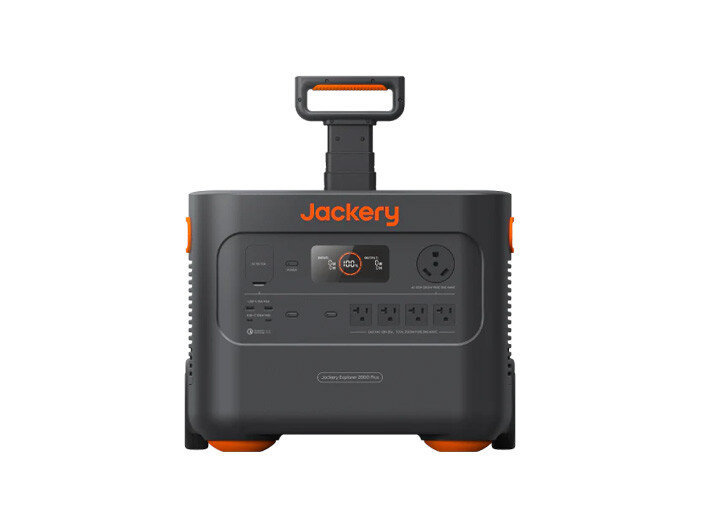
Jackery Explorer 2000 Plus |
2000 Plus on Jackery 2000 Plus on Amazon |
In-Depth Breakdown: EcoFlow Delta Pro 3 vs. Jackery Explorer 2000 Plus
Comparing the EcoFlow Delta Pro 3 and the Jackery Explorer 2000 Plus is more than just a spec sheet showdown. It’s about understanding what each power station offers when it comes to actual real-world use. Let’s toss out the marketing claims and discover the truth.
Here’s how we’ll cover all the critical areas of comparison:
- What Can These Power? Inverter, Outlets, and Ports
- How Long Will They Last? Battery and Warranty Coverage
- How Quickly Can They Recharge? Charging Speeds
- Can You Take Them Anywhere? Portability and Design
- Which Should You Choose? Final Recommendation

Output Power: Inverters and Outlets
Part of power station magic comes from the ability to power your devices anywhere. And this includes electronics that need alternating current (AC) energy, the same that comes from the outlets in your home. Since batteries and solar panels use direct current (DC) power, each power station features a power inverter to change the DC power into the AC some devices require.
Whether you’re looking to keep your fridge cold during a blackout or power a TV at your off-grid cabin, the size of the inverter decides what you can plug in. And how much at the same time.
With the EcoFlow Delta Pro 3 and Jackery Explorer 2000 Plus, this is where some key differences begin to show. The Delta Pro 3 boasts a 4,000W inverter with an impressive 8,000W peak, while the Explorer 2000 Plus offers a more modest 3,000W inverter with a 6,000W peak.
What does this mean in practice? Both can handle big appliances. Your fridge is likely no more than 600W. A microwave, hairdryer, and induction cooktop usually run around 1,500W. Either one can handle these devices.
The Delta Pro 3 brings more to the table by handling larger appliances at the same time. Or an entire house of lights, devices, and kitchen appliances. The Jackery can power critical devices, including your fridge and TV, at the same time. But you’ll have to be careful when you use 1,000W devices with other things plugged in.

Outlet Options: AC and DC
The number and type of outlets on these stations can make a big difference in how easily you can connect everything. The AC outlets all rely on the inverter. But they have a variety of DC outputs like USB ports which help avoid the use of the inverter, which consumes some power to run.
Here’s the full list of outlets for both of these heavy-duty power stations:
- EcoFlow Delta Pro 3:
- 6 x AC outlets including two 240V and three high-amp options
- 2 x USB-C ports (for fast charging your phone, tablet, or laptop)
- 2 x USB-A ports
- 1 x 30-amp DC Anderson port (great for DC fuse box)
- 1 x DC 5521 barrel plug (for things like CPAPs)
- Jackery Explorer 2000 Plus:
- 5 x AC outlets including one high-amp option
- 2 x USB-C ports
- 2 x USB-A ports
- 1 x 12V car port
There’s no shortage of connections on either one. But the Delta Pro 3 stands out with three different high-amp connectors, including two 240V options. It’s a game-changer for heavy-duty home appliances or for serious home backup setups. Jackery still brings one 30-amp connection, great for RVs and home backup use too. Just slightly more limited. And if you want 240V from the Jackery, you can use two 2000 Plus unit together to do so.
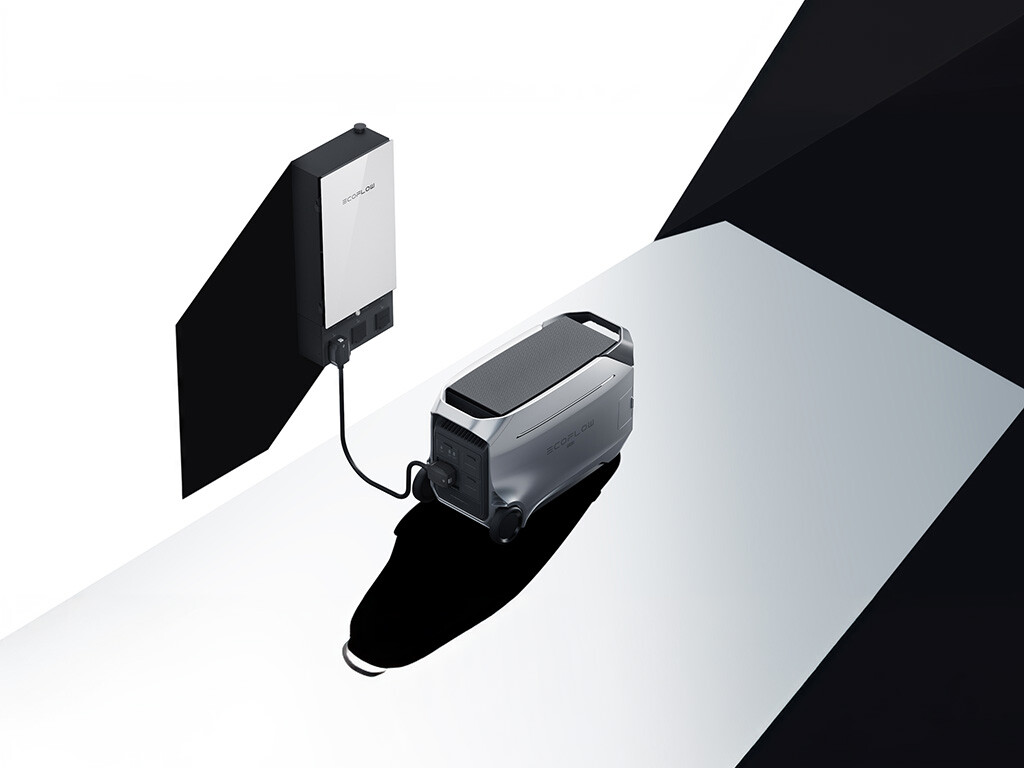
Home Integration and UPS: Seamless Backup During Outages
Both power stations offer a UPS (uninterruptible power supply) function, ensuring that your critical devices—whether that’s a medical device, computer, or WiFi router—stay powered during an outage. Here’s where they differ:
- EcoFlow Delta Pro 3: Features a blazing fast <10ms transfer time, making it perfect for sensitive electronics and ensuring you won’t notice the switchover.
- Jackery Explorer 2000 Plus: While Jackery’s <20ms UPS function works well, it doesn’t offer the same speed as the Delta Pro 3.
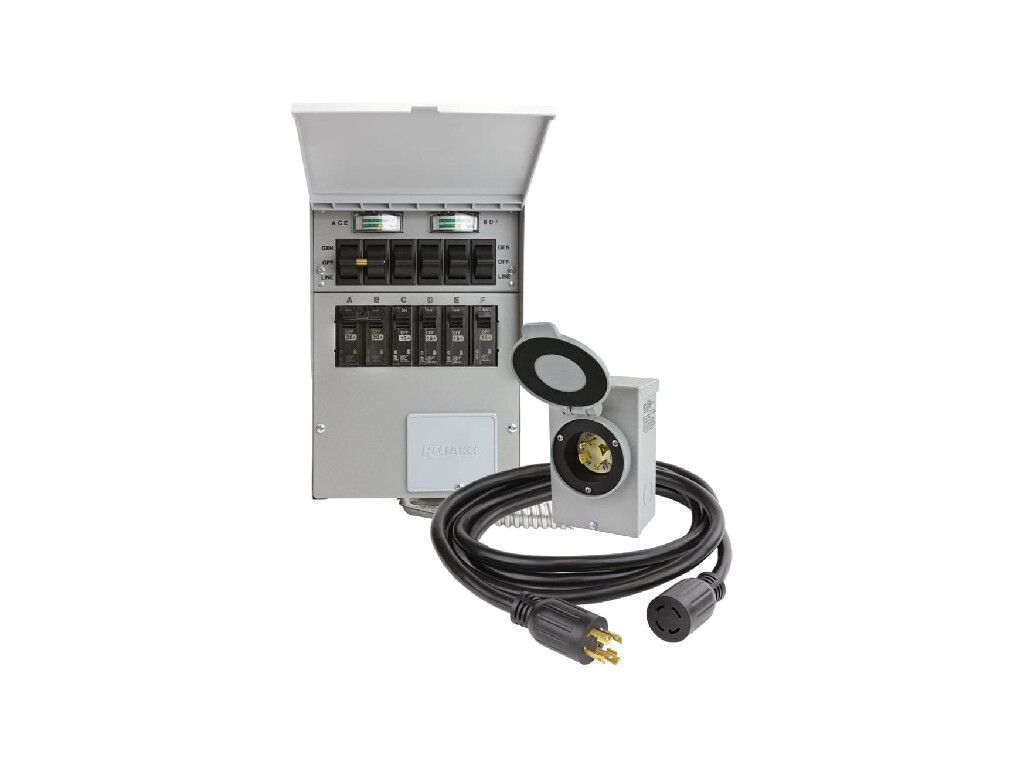
Both units offer options to connect to your home through a manual transfer switch and a critical load panel. This is especially useful if you’re using them as a backup power source during outages. You can also use a generator inlet to keep things very simple, but you have to be careful not to overload the system or back-feed the grid.
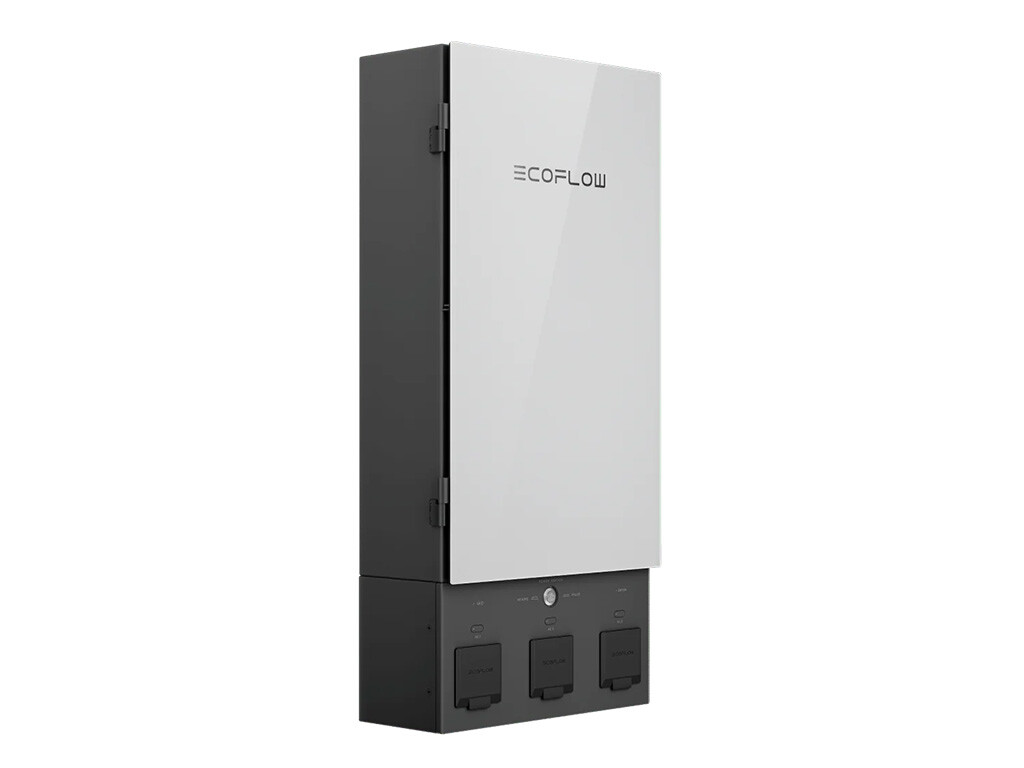
The EcoFlow Delta Pro 3 has an edge here with the EcoFlow Smart Home Panel 2 option. This automatic transfer switch can detect a grid outage and immediately flip over to battery backup. It also has a loads of intelligent features, including full app monitoring and settings. For users looking at powering whole-home essentials during outages, the Delta Pro 3 is better suited for the task.
Output Verdict: For overall power output, the EcoFlow Delta Pro 3 takes the lead with its larger inverter capacity, 240V output, and flexibility in handling a wide range of appliances simultaneously. The EcoFlow Smart Home Panel 2 takes the convenience up another notch. The Jackery Explorer 2000 Plus is slightly more modest in output but stands ready to tackle big jobs too. It’s not quite as robust as the DP3, but it’ll do great for RV use and home backup through a transfer switch.
|
EcoFlow Smart Home Panel 2 |
SHP2 on EcoFlow |
|
Reliance Controls 306CRK Transfer Switch Kit |
Buy on Amazon |
|
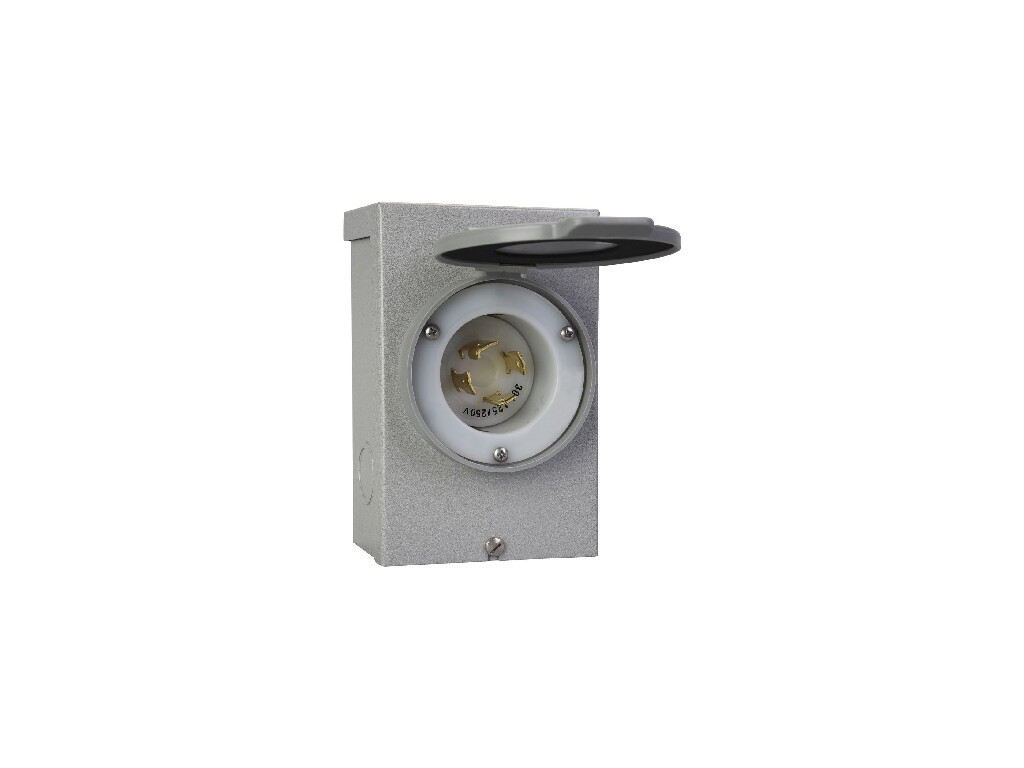
Reliance Controls PB30 30-Amp Generator Inlet Box |
Buy on Amazon |
| Product | EcoFlow DELTA Pro 3 | Jackery 2000 Plus |
|---|---|---|
| AC Output | 4,000W | 3,000W |
| AC Output (System Max) | 12,000W | 6,000W |
| AC Output Peak | 8,000W | 6,000W |
| 120V Outlets | 5 (1xTT-30R) | 4x20A; 1x25A |
| 240V Outlets | 2 (L14-30 & 6-20R) | – |
| UPS / EPS | 10ms | 20ms |
| USB-A Ports | 2x18W | 2x18W |
| USB-C Ports | 2x100W | 2x100W |
| Other DC (Anderson or other) | 1x378W (30A) | – |
| DC 5521 (Barrel Plug) | 1x63W 5A | – |
| Cigarette Lighter | – | 1x120W |
| Wireless Charging Pad | – | – |
| Connectivity | WiFi / Bluetooth | WiFi / Bluetooth |

Power That Lasts: Battery Details and Warranty
Running out of power when you need it most can be heart-breaking. Even dangerous. That’s why you need to understand what the battery capacity is and how it impacts how long the power station can run your devices.
The capacity is measured in watt-hours (Wh). And you can find the estimate hours of runtime by dividing the battery watt-hours by the wattage of the devices you want to run. Then take off about 20% due to normal system inefficiencies (heat loss, inverter use, etc.). So it’s the Wh of the battery divided by the wattage of your devices less 20%. Wh / W x 0.8 = Hours of runtime estimate.
Once again, the EcoFlow Delta Pro 3’s 4,096Wh battery stands above the Jackery 2000 Plus’ 2,043Wh battery. The EcoFlow can run the same set of devices for more than double the time.
Here are some examples for what the 4kWh EcoFlow battery can do:
- Charge a 10Wh phone >300 times
- Charge a 60Wh laptop >50 times
- Power a 200W TV or run a 500W fridge about 16 hours
- Run 1,000W appliance like a microwave or electric kettle for over 3 hours
While you’d chop those figures in half for the Jackery, there’s a way around this. Both of these power stations can use extra battery packs.
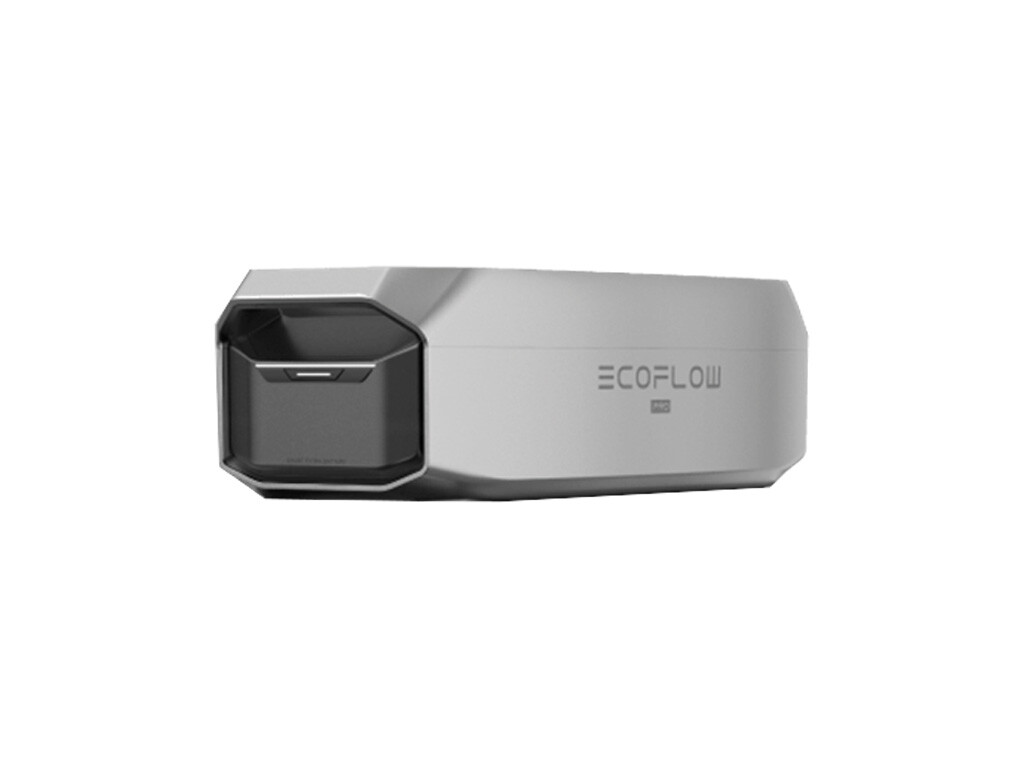
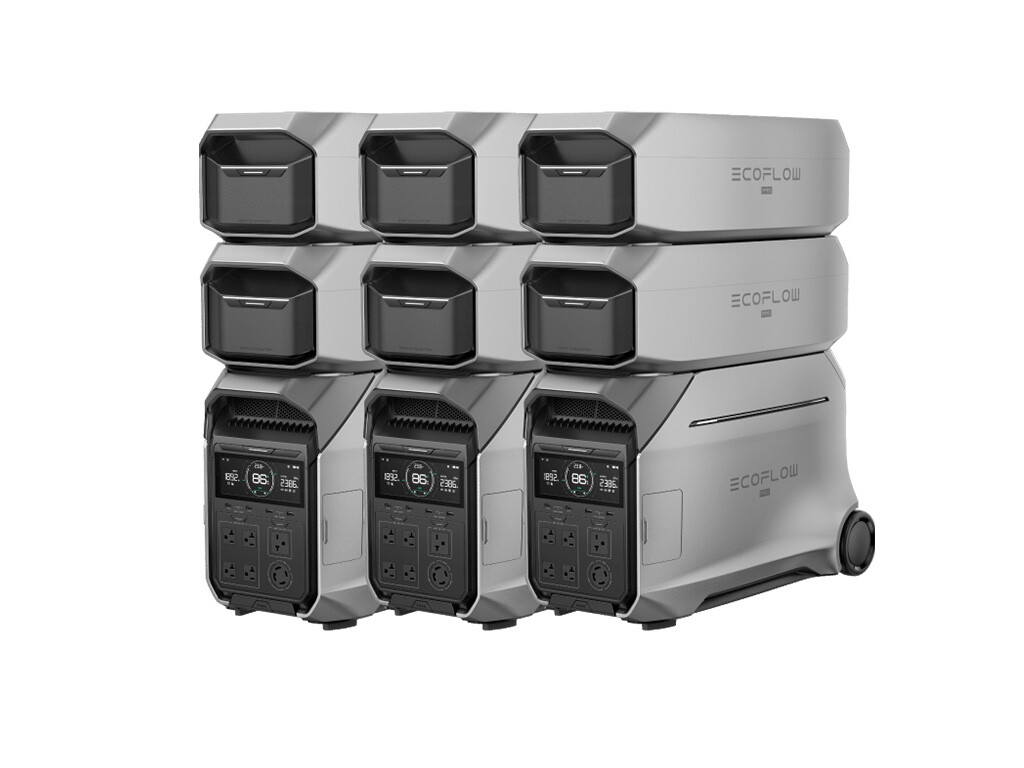
The EcoFlow Delta Pro 3 can be expanded to a whopping 36,864Wh, while the Jackery Explorer 2000 Plus caps out at 24,516Wh. Both are serious power station capacities, with even the Jackery’s 24.5kWh lasting over 24 hours for your TV, fridge, multiple lights, and charging a handful of devices.
These feature LiFePO4 (lithium iron phosphate) batteries rated for more than 3,000 cycles with at least 80% capacity remaining. Charge and discharge them daily for over 8 years and you’ll still have nearly full use of the battery capacity. This long-lasting design is also reflected in the warranty coverage, an impressive 5 years for both brands, longer than almost any other electronic device around. Make sure to get the Jackery direct from the manufacturer to ensure you get the full 5 years, otherwise it can be limited to 3 years.
Battery Verdict: When it comes to battery capacity and longevity, the EcoFlow Delta Pro 3 is the clear winner. Its larger base battery and superior expandability offers longer-lasting power. Yet the Jackery Explorer 2000 Plus is no slouch, carrying many hours of whole-home backup and serious modular expansion potential. Both have 5 year warranties.
| Product | EcoFlow DELTA Pro 3 | Jackery 2000 Plus |
|---|---|---|
| Battery | 4,096Wh | 2,043Wh |
| Battery (System Max) | 36,864Wh | 24,516Wh |
| Warranty | 5 years | 3-5 years |
| Battery Type | LiFePO4 / LFP | LiFePO4 / LFP |
| Battery Cycles | >3,000 | >3,000 |
Repeating the Power: Charging Speeds
Efficient recharging is another power station feature worth knowing about. It’s not just up to the power source you connect. The units have specific charge controllers inside which determine the maximum charging rates.
Starting with standard AC charging, you might be tempted to be blown away by the EcoFlow’s 4.8kW charging rate. But that’s only if you have an outlet that can provide that power. Most regular US household outlets offer up to 1,800W at most (120V / 15A). And Jackery takes full advantage of that amount too. It’s only if you’re using super-powered outlets like a 240V supply where the EcoFlow higher wattage matters for AC charging.
Things get a little more complicated with solar. Both have enough solar to easily recharge the internal battery in about 2 hours of peak sunlight, if you max out the solar inputs. However, the devil is in the details:
- EcoFlow Delta Pro 3: Can take up to 2,600W of solar through two inputs, including one accepting up to 150V. Extra batteries do not have solar inputs, only additional DP3 units can add another 2,600W of solar.
- Jackery Explorer 2000 Plus: Can take up to 1,400W of solar through two inputs, but both top out at 60V making it more difficult to get the full 700W. However, each extra battery includes another 1,400W solar input, providing tons of solar charging no matter the battery expansion.
When it comes to single-unit solar input, they’re both exceptional at 2 hours or less. EcoFlow provides higher voltage which can be very helpful to maximize charging without causing damage. As you expand the system, you can’t beat Jackery’s 1,400W per battery. EcoFlow does not offer extra battery charging independent from the main DP3 unit.
EcoFlow has two tricks up its sleeve:
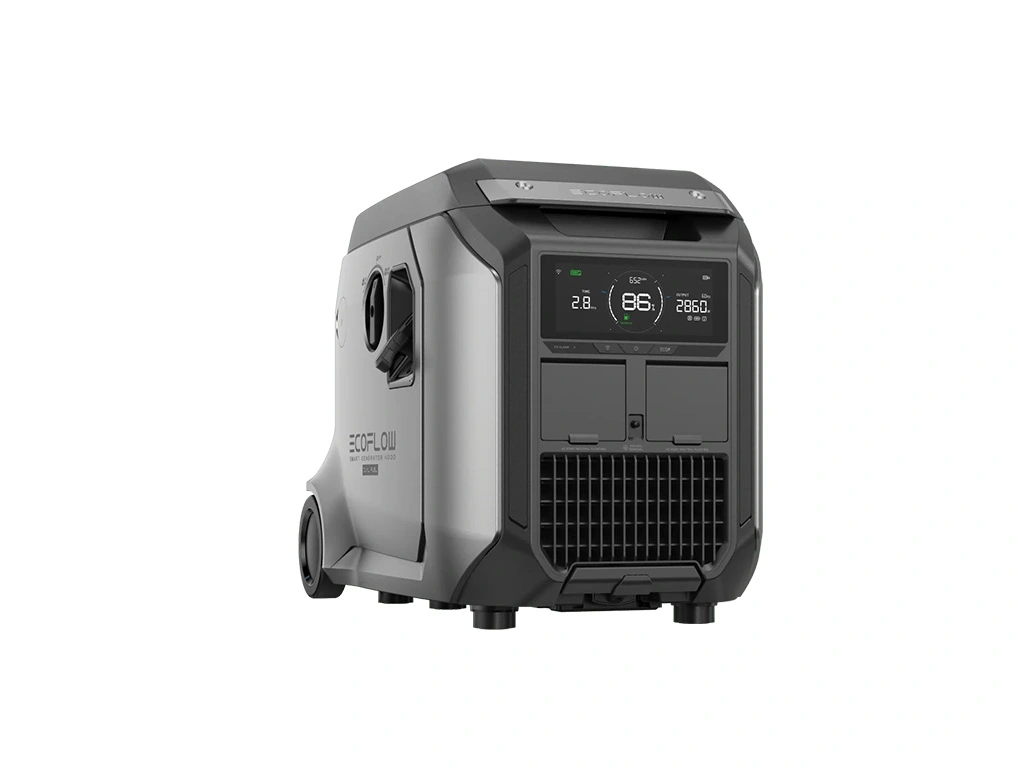
- EcoFlow Smart Generator 4000 (Dual Fuel): Super fast and smart fuel generator adds gasoline or propane charging solution that’s faster than almost any outlet. It also automates your charging through an intelligent app and battery-sensing design.
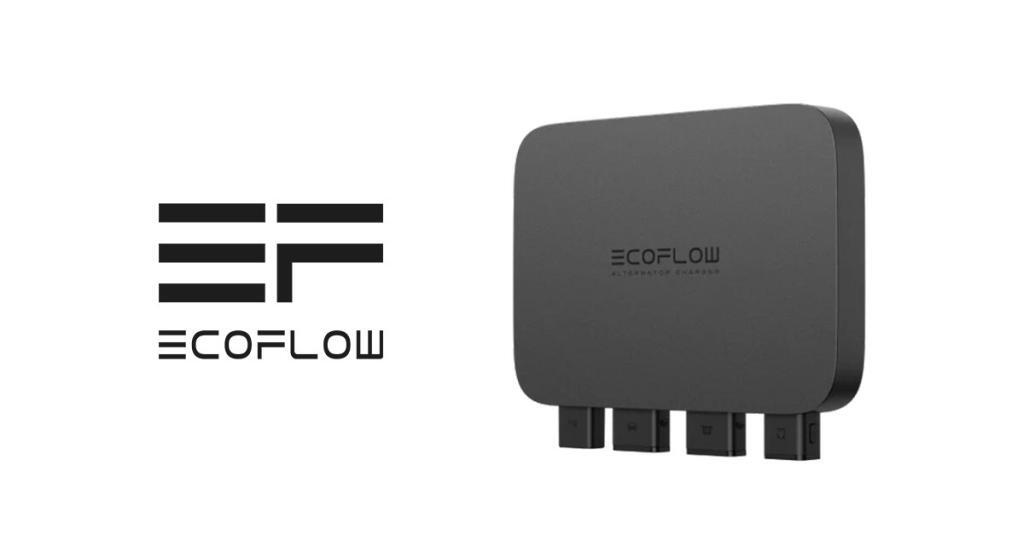
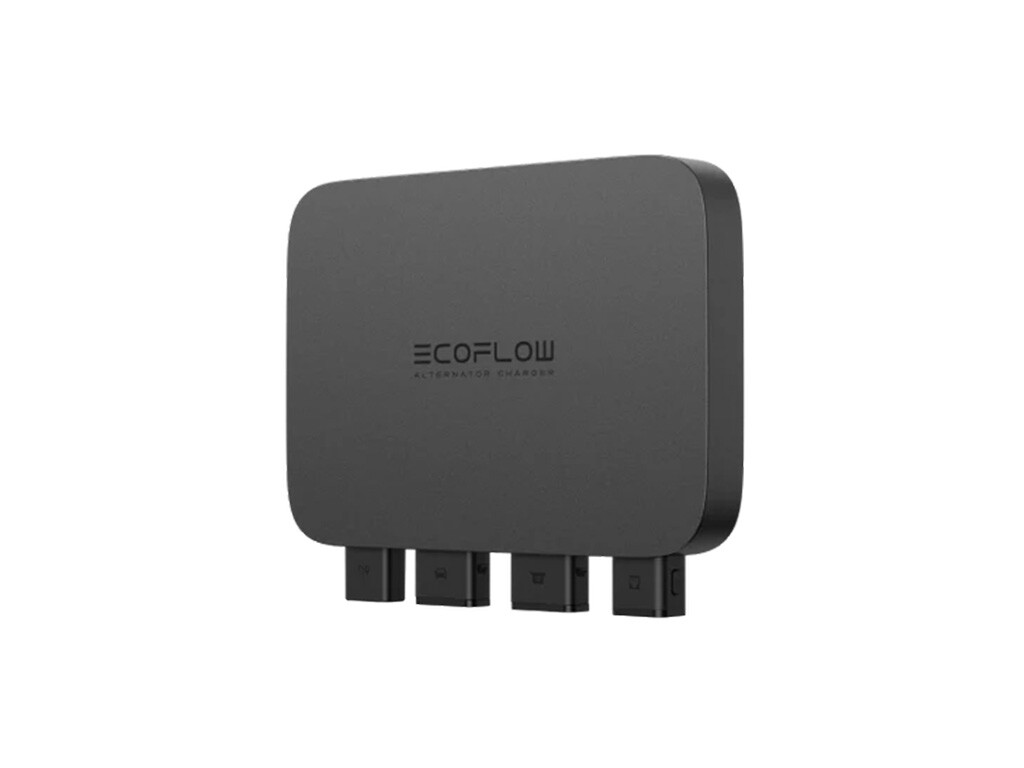
- EcoFlow 800W Alternator Charger: Usual car charging is about 120W and takes >10 hours to make a dent in these batteries. But this EcoFlow device can send 800W from your car’s electrical system to the Delta Pro 3 for fast charging while driving. And it can reverse the power to recharge or maintain a dead battery.
Charging Verdict: It’s a close call as they both have sufficient AC and solar rates considering the battery size. The EcoFlow Delta Pro 3 has a nice 150V upper limit for one input, but the Jackery Explorer 2000 Plus hits back with a whopping 1,400W solar input on every extra battery. EcoFlow’s Smart Dual Fuel Generator and 800W Alternator Charger give it the edge through off-grid charging flexibility and speed.
|
EcoFlow Smart Generator 4000 (Dual Fuel) |
4kWSG on EcoFlow |
|
EcoFlow 800W Alternator Charger |
EFAC on EcoFlow EFAC on Amazon |
| Product | EcoFlow DELTA Pro 3 | Jackery 2000 Plus |
|---|---|---|
| AC Input | 4,800W | 1,800W |
| AC Recharge Hours (Est.) | 1h | 1.4h |
| Solar Input | 2,600W | 1,400W |
| Solar Recharge Hours (Est.) | 1.9h | 1.8h |
| Solar Input (System Max) | 7,800W | 17,000W |
| Solar Input 1 Watts | 1600W | 700W |
| Solar Input 1 Volts Min | 30V | 11V |
| Solar Input 1 Volts Max | 150V | 60V |
| Solar Input 1 Amps | 15A | 12A |
| Solar Input 2 Watts | 1000W | 700W |
| Solar Input 2 Volts Min | 11V | 11V |
| Solar Input 2 Volts Max | 60V | 60V |
| Solar Input 2 Amps | 20A | 12A |
On the Move: Portability, Weight, and Design
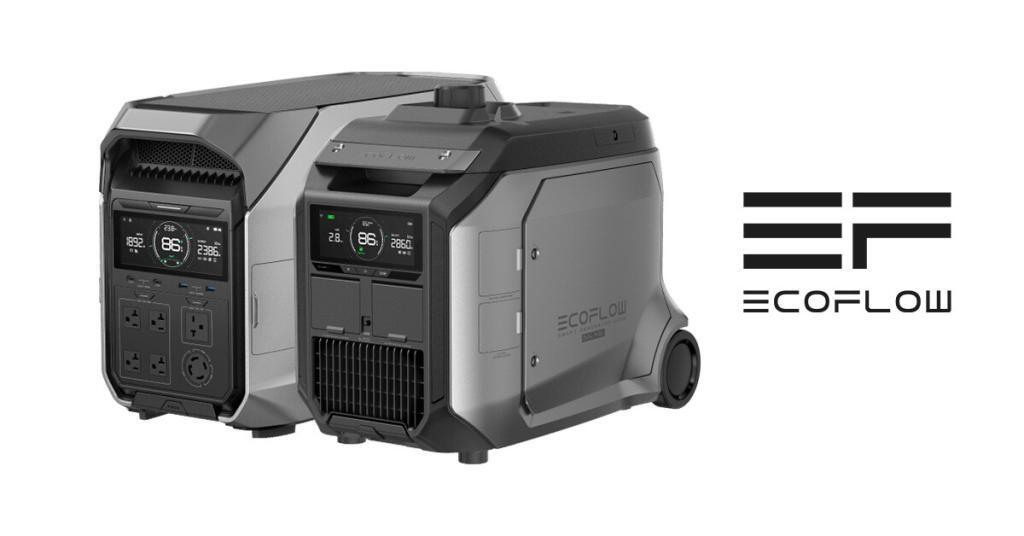
It’s difficult to balance power needs and portability. Batteries, inverters, and all the features can weigh a lot and take up a lot of space. If you tried to create these systems with independent parts, they’d likely be double the size and you’d never want to move them.
Thankfully, EcoFlow and Jackery have a magic touch when it comes to portability. These two are very far apart in this category, a result of the different specs like battery size.
EcoFlow’s larger 4kWh battery comes around to bite down on the weight, tipping the scale at over 110lbs (50kg). There are integrated wheels to make things a little easier, but make no mistake about it, this machine is a beast. The batteries can stack on top. The only catch is that they don’t interlock, so if you’re considering RV use, you’ll have to make sure to stabilize the system or avoid stacking.
The Jackery 2000 Plus and its 2kWh battery are much easier to deal with, weighing a touch over 60lbs (28kg). It’s also much smaller and still comes with a telescoping handle and wheels. The extra batteries are also a lot more manageable. If you want to bring one device anywhere, it’s the Jackery all day over the EcoFlow.
Portability Verdict: Both stations are portable, but the Jackery Explorer 2000 Plus takes that much more literally. It’s best for users who prioritize lightweight portability and compact design. The EcoFlow Delta Pro 3 is heavier due to its bigger battery, but offers wheels to roll the extra weight.
| Product | EcoFlow DELTA Pro 3 | Jackery 2000 Plus |
|---|---|---|
| Weight (lbs) | 113.5lbs | 61.5lbs |
| Weight (kg) | 51.5kg | 27.9kg |
| Dimensions (in) | 27.3×13.4×16.1in | 18.6×14.1×14.7in |
| Dimensions (mm) | 693x341x410mm | 473x359x374mm |

Final Recommendation: Power vs. Portability
After comparing the EcoFlow Delta Pro 3 and the Jackery Explorer 2000 Plus, it’s clear that each device has its strengths. When we break down the categories, one power station comes out on top for overall performance. The Delta Pro 3 is a bigger, more powerful option while the Explorer 2000 Plus can tackle a lot of big jobs while putting potability first and keeping the price down.
Here’s a quick look at our main categories:
- Inverter and Output: The EcoFlow Delta Pro 3 outperforms the Jackery with a higher inverter capacity (4,000W vs. 3,000W) and single-unit support for 240V (Jackery needs two units). EcoFlow can also go up to 12kW with three units while Jackery is limited to 6kW with two units.
- Battery Capacity and Longevity: The Delta Pro 3 has a much larger battery (4,096Wh vs. 2,043Wh) and is more expandable, providing extended runtimes that are perfect for home backup or extended off-grid use. Yet Jackery’s 24.5kWh is very capable.
- Charging Speeds: Both have fast charging rates for single units, but the Delta Pro 3 has a higher voltage input and can put more solar panels to use. However, once you start adding in batteries, the Jackery solar input on each battery is incredible.
- Portability: Both units are equipped with wheels and telescopic handles, but the Jackery Explorer 2000 Plus is lighter and more compact, by far.
- Price: The Jackery is much lower priced than the EcoFlow, lowering the barrier to getting a solid home backup system.
Final Verdict: The EcoFlow Delta Pro 3 is the superior choice overall, delivering unmatched power, faster charging, and more versatility for users who need robust performance for home backup, off-grid living, or heavy appliance use. If you prioritize portability and simplicity for camping or RV trips, the Jackery Explorer 2000 Plus remains a strong contender that can tackle big power needs at home too. It’ll also save you a ton of cash since it has a much lower price.
Don’t forget to consider the solar tax credit and get 5% off EcoFlow orders with SOLARWAY5OFF discount code.

Comparison Chart: EcoFlow Delta Pro 3 vs. Jackery Explorer 2000 Plus
Here’s a detailed spec comparison chart for the EcoFlow Delta Pro 3 and Jackery Explorer 2000 Plus side-by-side, as well as links to the user manuals:
| Product | EcoFlow DELTA Pro 3 | Jackery 2000 Plus |
|---|---|---|
| Battery | 4,096Wh | 2,043Wh |
| Battery (System Max) | 36,864Wh | 24,516Wh |
| AC Output | 4,000W | 3,000W |
| AC Output (System Max) | 12,000W | 6,000W |
| AC Output Peak | 8,000W | 6,000W |
| AC Input | 4,800W | 1,800W |
| AC Recharge Hours (Est.) | 1h | 1.4h |
| Solar Input | 2,600W | 1,400W |
| Solar Recharge Hours (Est.) | 1.9h | 1.8h |
| Solar Input (System Max) | 7,800W | 17,000W |
| Warranty | 5 years | 3-5 years |
| Weight (lbs) | 113.5lbs | 61.5lbs |
| Weight (kg) | 51.5kg | 27.9kg |
| Dimensions (in) | 27.3×13.4×16.1in | 18.6×14.1×14.7in |
| Dimensions (mm) | 693x341x410mm | 473x359x374mm |
| Solar Input 1 Watts | 1600W | 700W |
| Solar Input 1 Volts Min | 30V | 11V |
| Solar Input 1 Volts Max | 150V | 60V |
| Solar Input 1 Amps | 15A | 12A |
| Solar Input 2 Watts | 1000W | 700W |
| Solar Input 2 Volts Min | 11V | 11V |
| Solar Input 2 Volts Max | 60V | 60V |
| Solar Input 2 Amps | 20A | 12A |
| Battery Type | LiFePO4 / LFP | LiFePO4 / LFP |
| Battery Cycles | >3,000 | >3,000 |
| 120V Outlets | 5 (1xTT-30R) | 4x20A; 1x25A |
| 240V Outlets | 2 (L14-30 & 6-20R) | – |
| UPS / EPS | 10ms | 20ms |
| USB-A Ports | 2x18W | 2x18W |
| USB-C Ports | 2x100W | 2x100W |
| Other DC (Anderson or other) | 1x378W (30A) | – |
| DC 5521 (Barrel Plug) | 1x63W 5A | – |
| Cigarette Lighter | – | 1x120W |
| Connectivity | WiFi / Bluetooth | WiFi / Bluetooth |
| User Manual | User Manual | User Manual |
| Buy Now | Buy DP3 | Buy 2000 Plus |
| Buy on Amazon | DP3 on Amazon | 2000 Plus on Amazon |
It’s Your Choice
The EcoFlow Delta Pro 3 is the more powerful option as a single unit or when bringing many units and batteries together. If you want to maximize your potential and performance, you can’t beat this innovative and super-powered option. The 5 year warranty and plentiful outputs seal the deal.
Meanwhile, the Jackery Explorer 2000 Plus shines in portability while keeping the cost down and easily handling bigtime RV use and home backup situations for your most important appliances. It can power your fridge and TV at the same time, with plenty of available battery to keep them going.
Still undecided? Dive into our full EcoFlow Delta Pro 3 review or Jackery Explorer 2000 Plus review for a closer look.
Just know you can’t go wrong with either of these options. The most important thing is to get what meets your needs and do it before the next big storm or adventure heads your way.


