
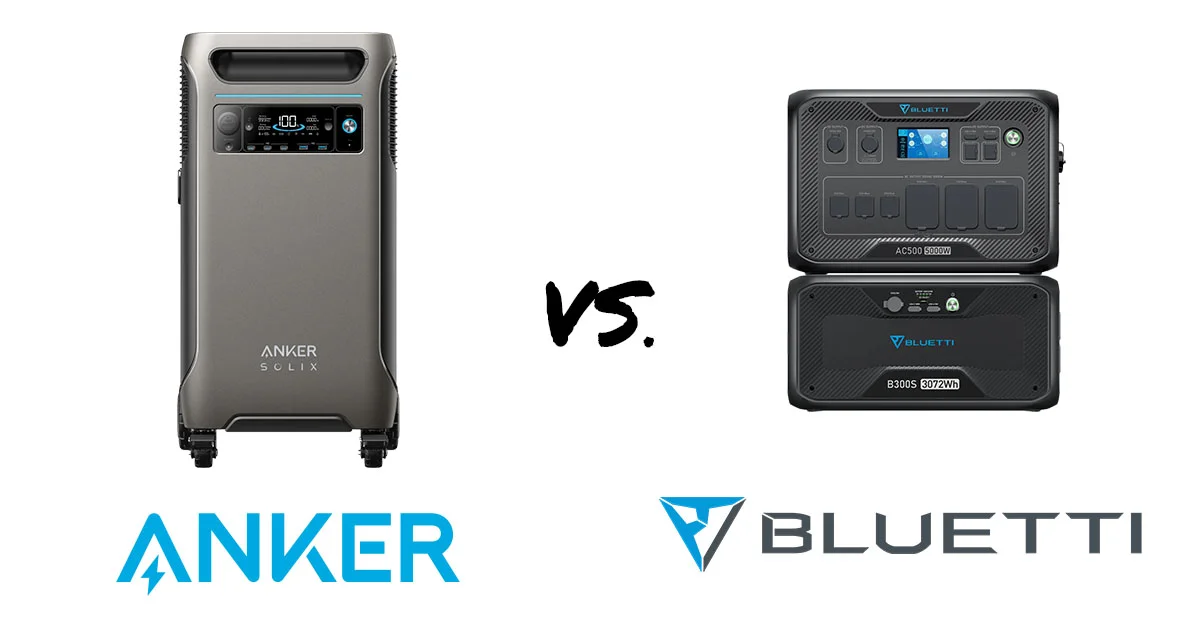
Looking for a heavy-duty power station can be overwhelming. Every company will catapult a barrage of impressive numbers into your face. It can be hard to understand the difference between the Anker F3800 and Bluetti AC500.
It’s time to peel back the layers of specs and marketing claims to reveal the reality of these two heavy duty power stations. We’ll not only go through the most important specs with a fine tooth comb, but we’ll also make sure to translate what those numbers mean into meaningful takeaways. Whether you’re looking for big RV power or a new home battery backup solution, you’ll be able to see what system is right for your needs.
Let’s jump into this power station comparison of the Anker Solix F3800 vs. Bluetti AC500.
We carefully select the products and services we link to. If you buy through our links, we may earn a commission. There’s no extra cost to you and it helps us provide this information.
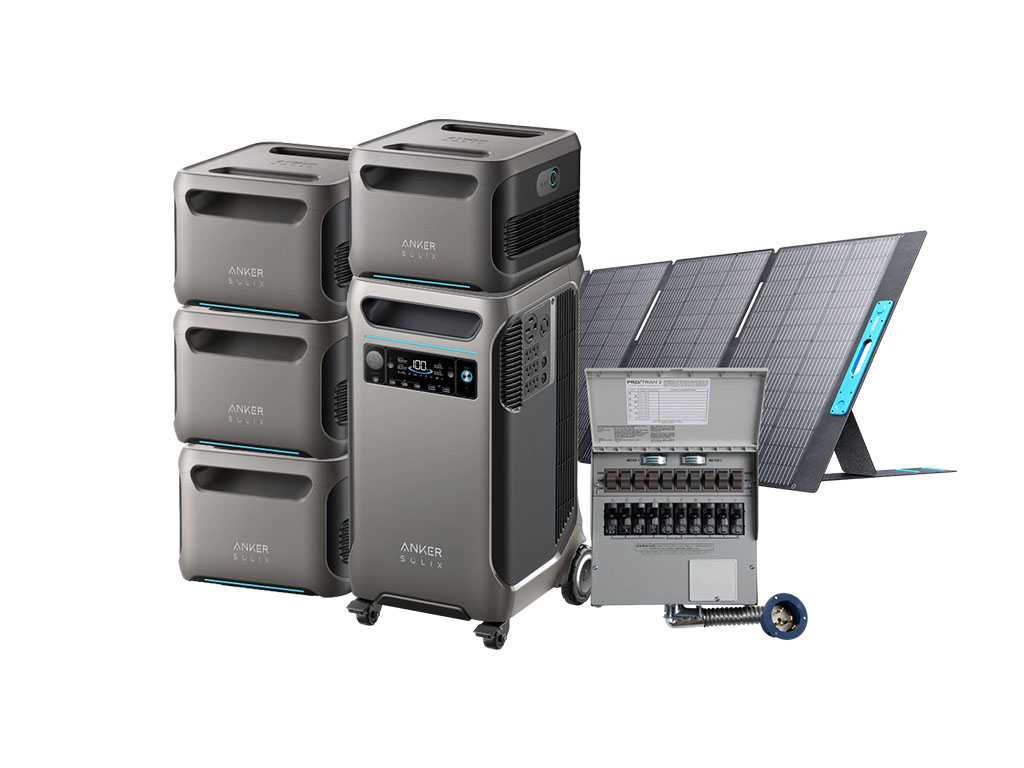
Quick Look: Supreme Battery Against Better Connections
Whether you’re a road warrior or a home backup enthusiast, Anker and Bluetti are two brands that have your back. They both understand what it takes to create reliable and useful portable power stations. But when it comes to choosing between the Anker Solix F3800 and the Bluetti AC500, one edges out the other in critical areas.
After careful examination, we found the Anker Solix F3800 steals the spotlight thanks to:
- Larger battery capacity with higher AC output
- Single-unit 240V outputs
- Typically a better value
Bluetti AC500 has many strengths too. There are times when it’s a better power station because it has a:
- Lighter design is easier to move
- 30-amp DC output and wireless charging pads
- Still offers massive battery capacity and inverter output
While Anker’s station shines with its battery size and charging flexibility, its competitive price can be the decisive factor. If we compare these two by a price per watt-hour, the Anker usually has $1.05 to $0.75 per Wh while the Bluetti is closer to $1.50 to $0.90 per Wh. The Anker value is typically better than Bluetti, but there are some unique features found on the Bluetti that might be worth the extra cash.
Since both of these are over 3kWh battery capacity, you might be eligible to get 30% back as a solar tax credit. This includes the cost of the power station, solar panels, and accessories to use as home backup power.
In this power-packed comparison, the Anker Solix F3800 has the edge for users who need more energy with more battery capacity and higher AC output. But if you need a lighter unit, want more solar charging, or need a high-amp DC output, you’re better off going with the Bluetti AC500. The most important factor is matching your needs to the right power station. It’s hard to go wrong with either of these premium heavy-duty power stations.

|
Anker Solix F3800 |
F3800 on Anker F3800 on Amazon |
|
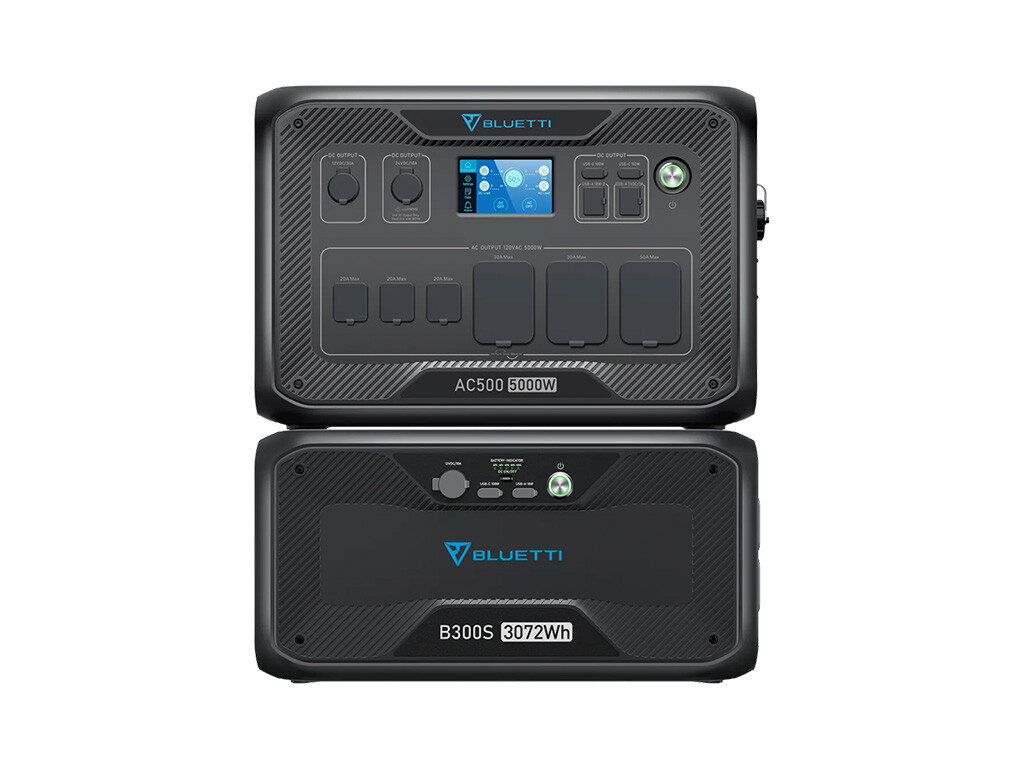
BLUETTI AC500 |
AC500 on Bluetti AC500 on Amazon |

Head-to-Head Comparison: Anker Solix F3800 vs. Bluetti AC500
Now we’re going to take a close look at each group of features and specs, making sure to provide the information you need to actually understand what they mean. After reading this power station comparison, you’ll be able to make the best choice for your setup.
Here’s what we’ll cover in this detailed comparison:
- What Can They Run? Inverter Power and Ports
- How Long Will They Last? Battery Capacity and Lifespan
- How Fast Do They Charge? Charging Speeds and Inputs
- How Easy Are They to Move? Size and Portability
- Which One Should You Choose? Overall Recommendation

Powering It All: Inverters and Outlets in Action
When it comes to portable power stations, the inverter is like the engine in a car. It determines how fast you can go and what kind of devices you can run. Inverters convert the DC power stored in the station’s battery into AC power, which is what your household appliances and electronics run on.
Whether you’re looking to keep your home running during a blackout or charge up a bunch of devices at the same time, understanding the inverter’s capacity is crucial.

Wattage Comparison: Inverter and Devices
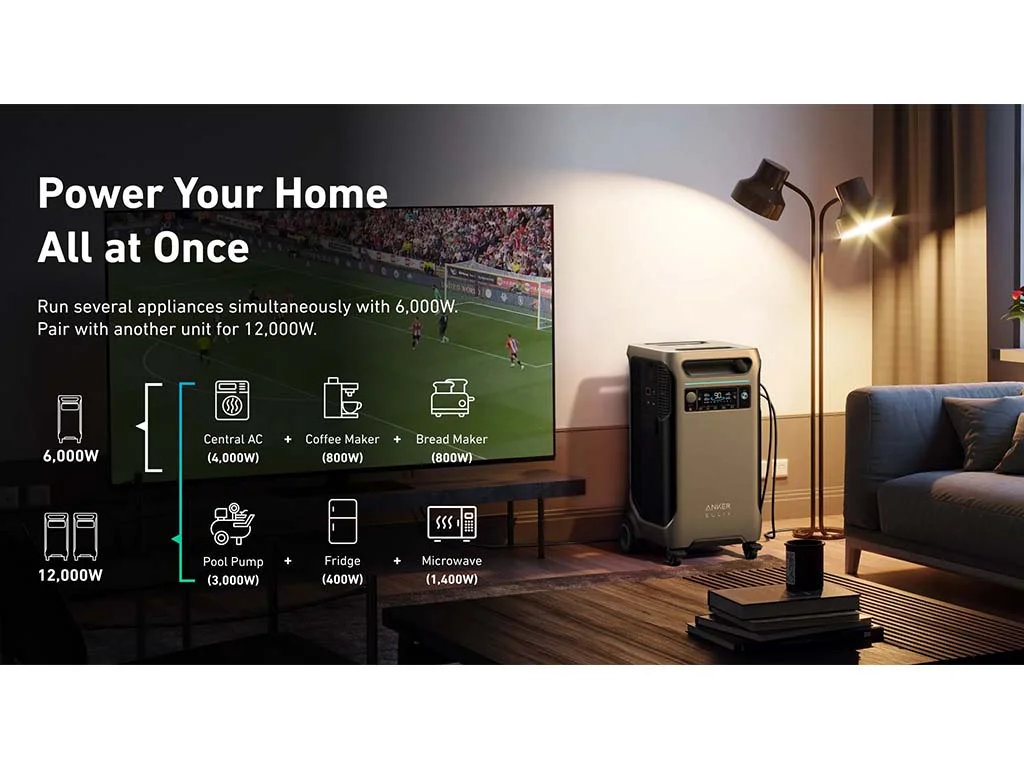
The Anker Solix F3800 and Bluetti AC500 bring serious inverter power to the table. The Anker features a continuous 6,000W AC output while Bluetti offers 5,000W. Let’s break that down in real-world terms.
Small devices like phones, tablets, WiFi routers, portable fridges, and laptops typically use 100W or less. They’ll hardly make a dent in inverters this size. And when possible, you’ll conserve battery by using the USB ports instead of the AC outlets. The inverter consumes some power to change DC to AC.
As you ramp up to desktop computers, televisions, and full-size refrigerators, then you’re going to see around 200W to 500W. Once again, power stations like the F3800 and AC500 can handle these without a problem. You can even have all three going at the same time, plus charging your small devices, and still be well under the 5kW to 6kW ratings.
Microwaves, hairdryers, coffeemakers, and electric kettles will push a little higher, usually around 1,000W to 2,000W. These don’t run for long, but they’ll need big power for the time they are on. If you already have many devices running, these can push toward the rating. And if you try to run a heavy-duty appliance like a whole-home air conditioner, then you may get too close to the inverter rating.
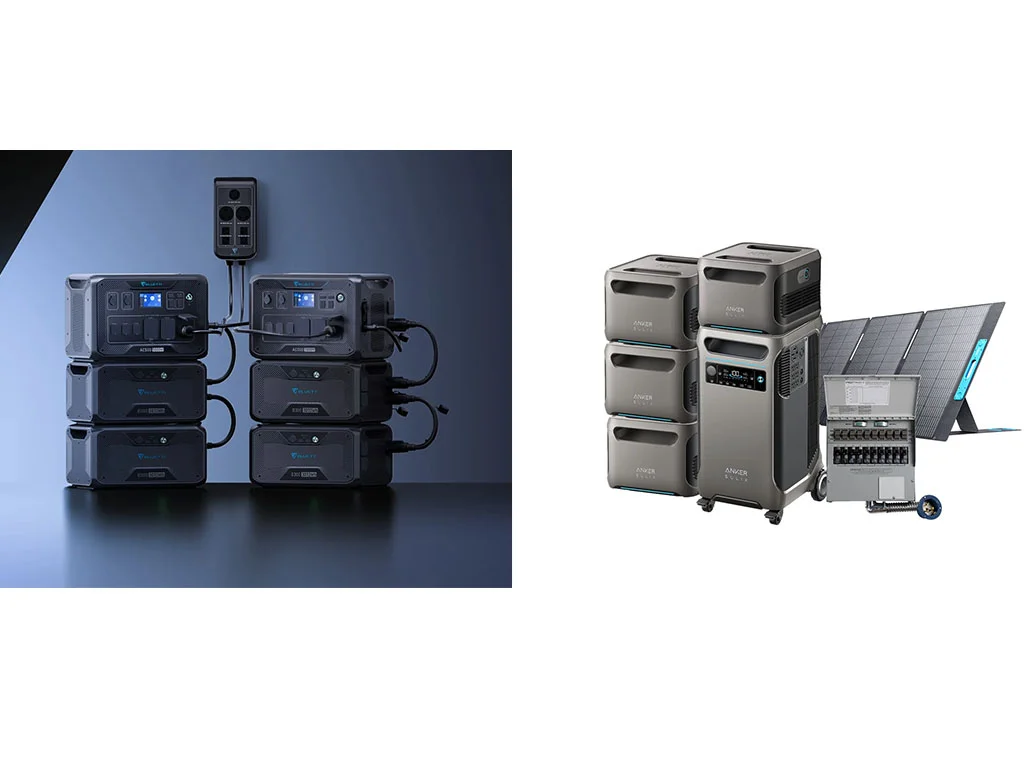
To fix that, both of these power stations can connect two units together, doubling the AC output. That’s 12kW for the Anker and 10kW for the Bluetti. Now you have space for those heavy-duty appliances.

Home Integration: How To
You could run extension cords to the power station to run your devices. But there are better ways to leverage large power stations to provide home backup power or big RV power.
Both of these make it easy to add solar and more battery capacity to an RV. They each have 30-amp and 50-amp outputs which you can run directly to your RV’s shore power inlet. You can add a secondary shore power near where you store the power station if you want to step up the convenience.
For home power integration, you can use:
- Automatic transfer switch and critical loads panel: The best way to connect power stations.
- Manual transfer switch and critical loads panel: Can flip to battery backup when grid fails.
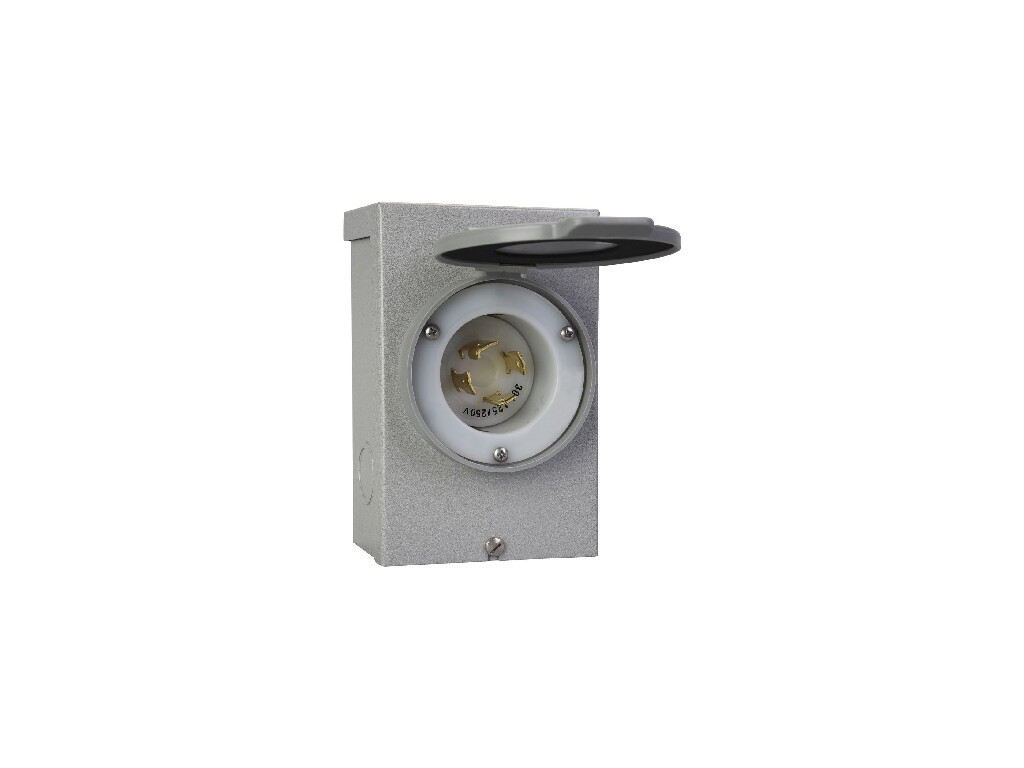
- Generator Inlet: Simple power input added to existing panel, which comes with some risks.
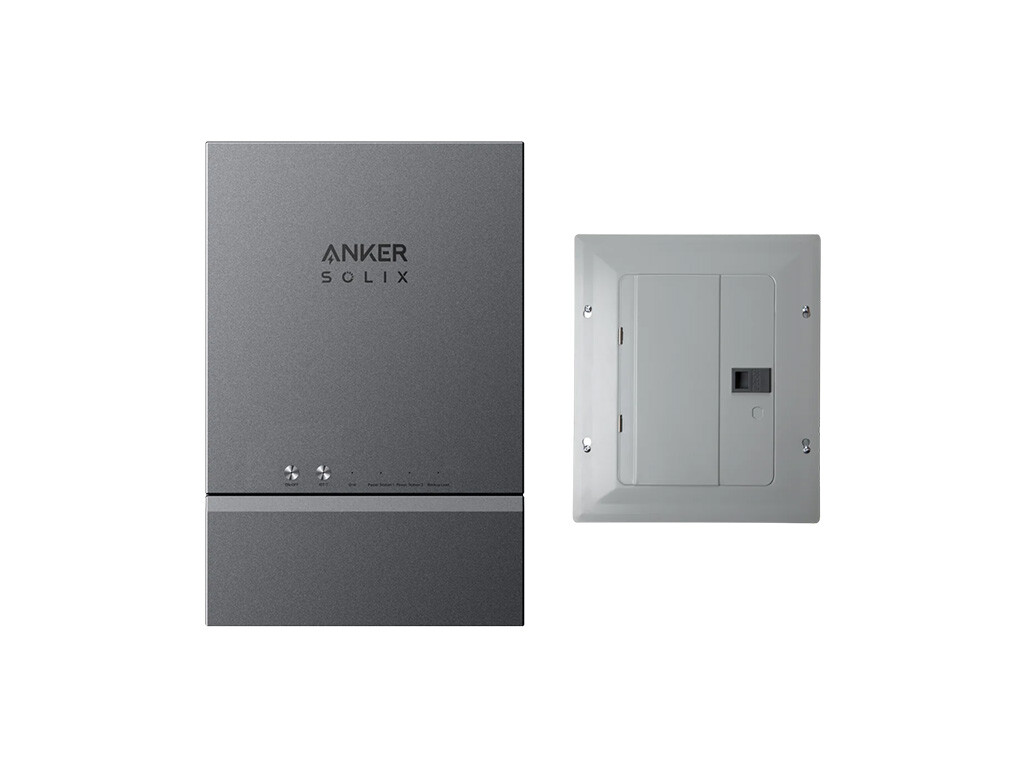
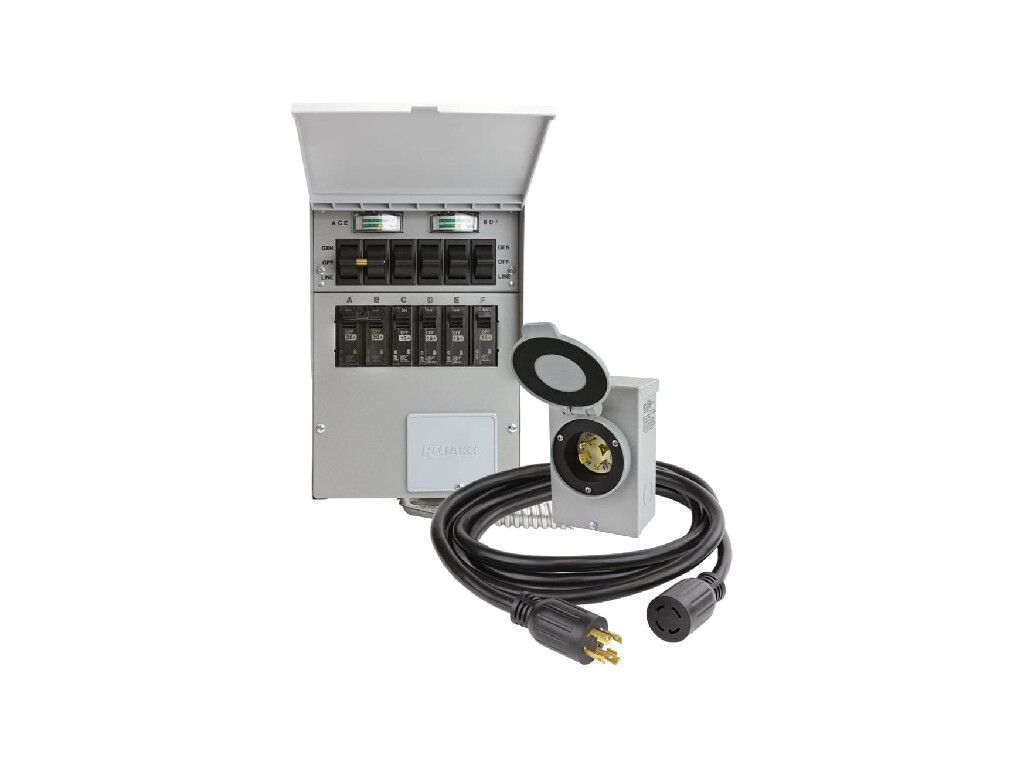
We highly recommend getting an automatic transfer switch if you are going to regularly rely on the power station for battery power. Anker offers the Anker Solix Home Power Panel, an automatic transfer switch specifically designed for the F3800. For the Bluetti AC500, you’ll have to use a universal one.
|
Anker SOLIX Home Power Panel |
Buy on Anker |
|
Reliance Controls 306CRK Transfer Switch Kit |
Buy on Amazon |
|
Reliance Controls PB30 30-Amp Generator Inlet Box |
Buy on Amazon |
Outlets, Ports, and Connections
Both stations are loaded with ports, but there are some key differences in how they’re laid out:
- Anker Solix F3800: 120V & 240V high-amp outlets, USB-A & USB-C ports.
- Bluetti AC500: 120V 30A and 50A RV-ready outlets, USB ports, high-amp DC output, and wireless charging pads for phones. Need two AC500 units to get 240V output.
Anker has an advantage with multiple outputs that can dish out 240V from one F3800. Bluetti has high-amp outputs but you need two AC500 units to get 240V. However, Bluetti has a 30-amp DC output that Anker does not. If you want to run a lot of DC devices, the Bluetti is a much better choice as you can use this output to feed power into a small DC fuse box.
Both can work for home backup or RV use.
Each of these also has a Uninterruptible Power Supply (UPS) function, which automatically switches from grid power to battery power in case of an outage. This feature is on specific outlets and both offer a swift transfer time of under 20 milliseconds. Many devices like routers and computers will stay powered without noticeable interruption.
Output Verdict: In this showdown, the Anker Solix F3800 takes the win for its higher wattage output and flexibility with 240V outlets. It’s a powerhouse for home backup and larger setups, offering more versatility for demanding appliances. The Bluetti AC500, while slightly behind in raw output, is excellent for RVers and campervans thanks to its three different high-amp outlets.
| Product | Bluetti AC500 | Anker Solix F3800 |
|---|---|---|
| AC Output | 5,000W | 6,000W |
| AC Output (System Max) | 10,000W | 12,000W |
| 120V Outlets | 6 total (3x20A; 2x30A; 1x50A) | 6x20A |
| 240V Outlets | – | 2x25A (L14-30R & 14-50) |
| UPS / EPS | 20ms | 20ms |
| USB-A Ports | 2x15W; 2x18W | 2x12W |
| USB-C Ports | 2x100W | 3x100W |
| Other DC (Anderson or other) | 30A | – |
| Cigarette Lighter | 1x240W | – |
| Wireless Charging Pad | 2x15W | – |
| Connectivity | WiFi / Bluetooth | WiFi / Bluetooth |
Fueling the Future: Battery Power Unleashed
When choosing a portable power station, the battery capacity is where the rubber meets the road, Or rather, where the electrons drive down to your devices. Measured in watt-hours (Wh), battery capacity tells you how much power a station can store and, more importantly, how long it can run your essential devices.
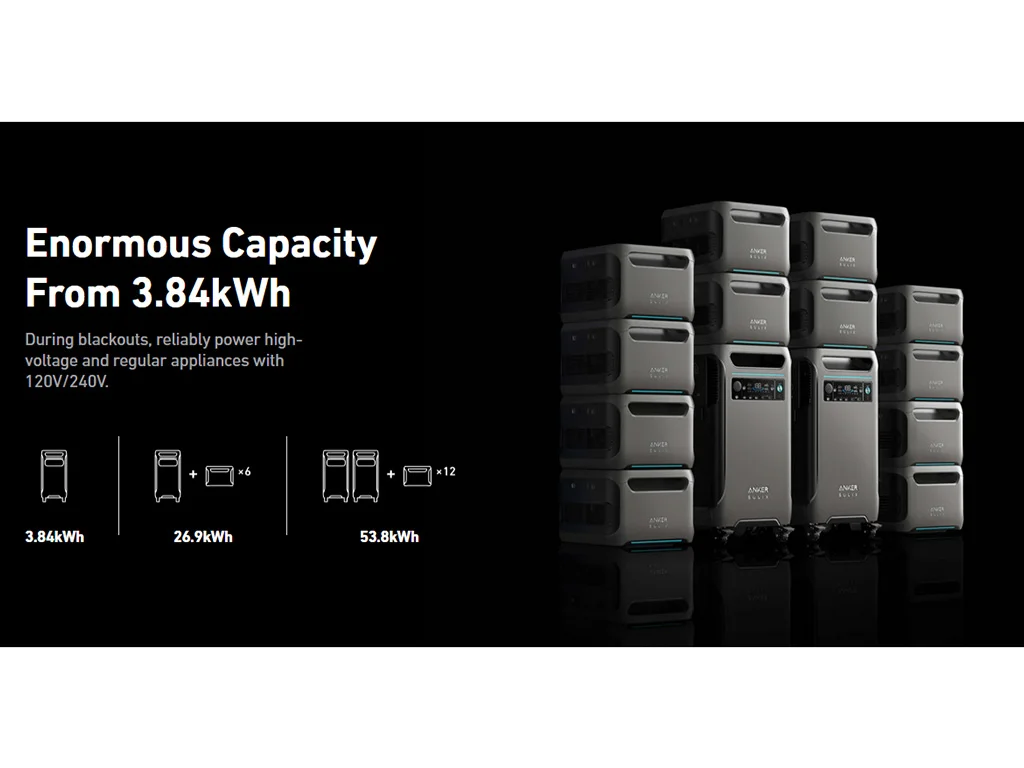
For example, the Anker Solix F3800 comes with a whopping 3,840Wh capacity, while the Bluetti AC500 offers 3,072Wh. On the surface, these numbers seem huge, but how long can they last?
How to Calculate Runtime
If you’re powering a 60W laptop, the Anker Solix F3800 could theoretically keep it running for about 64 hours (3,840Wh ÷ 60W = 64 hours). However, you’re not going to see 100% efficiency from any power station. Factor in a 20% reduction for system inefficiencies to see a more realistic time, dropping this 60W power to around 51 hours. The Bluetti AC500 would provide about 40 hours of use for the same laptop.
It’s more likely that you’ll power a handful of devices together. Here are two potential examples:
- RV Use: 5 LED lights (50W), charging two small devices (50W), powering a Starlink and laptop (100W), and powering a full-size fridge (200W) is 400W total. Bluetti’s 3.7kWh battery will last about 6 hours while Anker’s 3.84kWh battery will last over 7.5 hours.
- Home Backup: 10 LED lights (100W), charging three devices (60W), powering a WiFi router/modem and computer (200W), television (200W), and full-size fridge (200W) is about 760W total. The Bluetti AC500 will last a little more than 3 hours while the Anker F3800 will go over 4 hours.
As you start loading up with devices, you can see the hours of runtime from one battery dwindle. There’s still hope. Both of these are made to expand battery capacity.
The Anker system maxes out at a staggering 53.8kWh with up to 12 extra battery units, and the Bluetti isn’t far behind with 36.9kWh total capacity, also using up to 12 battery packs. These can run those above systems for well over a day without any charging input.

Battery Longevity and Warranty Coverage
Both power stations use LiFePO4 (lithium iron phosphate or LFP) batteries. These are the industry gold standard, well known for long life cycles, stability, and safety.
These two power stations have ratings for 3,000 or 3,500 battery cycles, one full charge and discharge of the battery. With daily use, these units can last for around 8-10 years. That’s nearly a decade of reliable power. They’re excellent long-term investments.
These units are built to last and the manufacturers stand behind them. The Anker Solix F3800 comes with a 5-year warranty, while the Bluetti AC500 includes a 4-year warranty. These are strong assurances, especially when considering how much use you’ll get out of them over the years.
Battery Verdict: The Anker Solix F3800 wins this round with its higher base capacity and greater expandability, plus it has an extra year of warranty coverage. The F3800 is the better option if you want to maximize home backup and extended off-grid use. The Bluetti AC500 still offers impressive battery performance but shines more in portability and ease of expansion.
| Product | Bluetti AC500 | Anker Solix F3800 |
|---|---|---|
| Battery | 3,072Wh | 3,840Wh |
| Battery (System Max) | 36,864Wh | 53,760Wh |
| Warranty | 4 years | 5 years |
| Battery Type | LiFePO4 / LFP | LiFePO4 / LFP |
| Battery Cycles | >3,500 | >3,000 |
| Buy Now | Buy AC500 | Buy Now |
| Buy on Amazon | Bluetti AC500 on Amazon | F3800 on Amazon |
Charging Speeds: Getting the Most From Power Sources
When you’re relying on a portable power station, charging speed can make all the difference. Whether you’re in between uses or facing an imminent power outage, being able to quickly recharge your station ensures you’re never left in the dark.
Both the Anker Solix F3800 and Bluetti AC500 offer multiple ways to recharge, but their speed and efficiency vary depending on the method.
There are several ways to top up these power stations:
- AC Power (Wall Outlets): The most common and convenient way to charge.
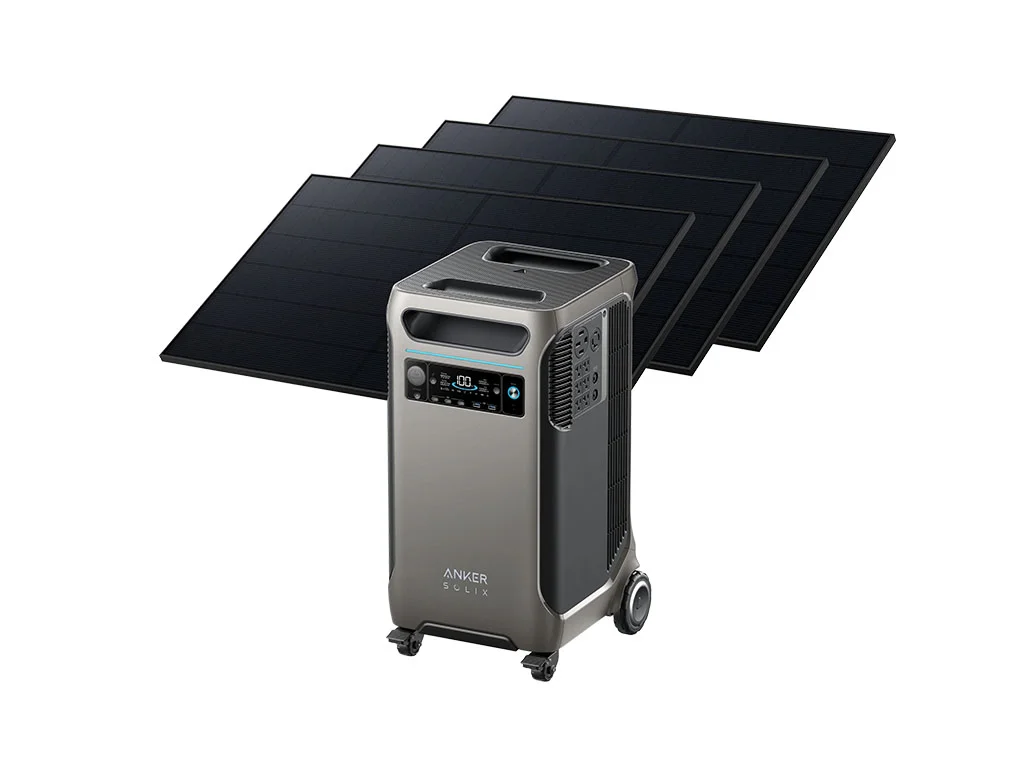
- Solar Panels: Perfect for off-grid charging, with speed dependent on the solar input wattage.
- Car Charging: A slower, but handy option in a pinch.
- Fuel Generators: Backup for when solar isn’t an option, ideal for long-term off-grid use.
AC Charging: The Anker Solix F3800 comes with an impressive AC charging input of 1,800W, meaning you can charge it from 0 to full in about 2.6 hours. That also matched the maximum power from most home outlets (120V at 15A). Meanwhile, the Bluetti AC500 packs a much faster AC input of 5,000W, giving it a speedy recharge time of just 0.7 hours if you find a super-powered source, like a 240V outlet. This rapid charging is a major advantage for Bluetti users who need to power up quickly between uses, especially for home backup or RV setups where downtime matters.

Solar Charging: The race for solar charging is a bit closer. The Anker Solix F3800 supports up to 2,400W of solar input, which allows it to charge in about 2 hours with ideal conditions. On the other hand, the Bluetti AC500 edges ahead with 3,000W of solar input, charging fully in 1.5 hours with strong sunlight. This is if you max out the inputs and have full sun. Calculate your solar panel needs here.
However, the Bluetti uses one solar input with a 150V maximum and the Anker has two inputs but each has a 60V max. It’s easier to maximize solar charging without damaging the Bluetti unit. Not only is the total wattage higher, but it’s also a more practical input setup.
Alternative Charging Sources: While car charging is available for both units, it’s far too slow for such large-capacity stations. Unless you get a more direct connection like a universal power station car charger. The Pecron 500W DC Car Charger is a great choice.
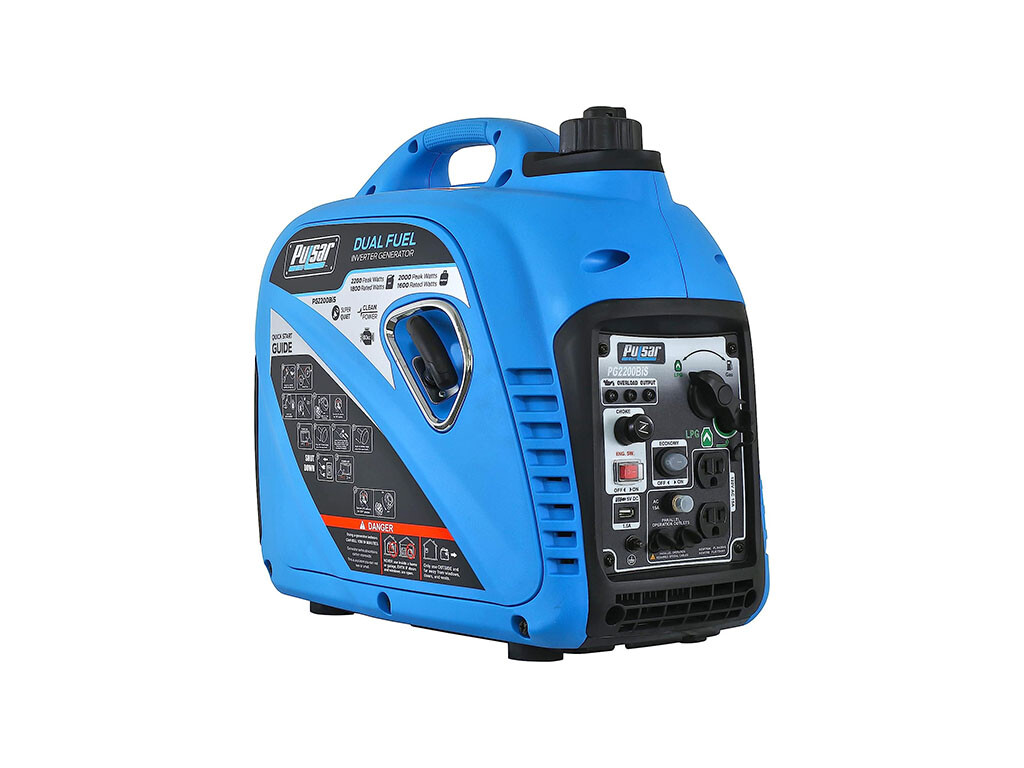
Fuel Generators: A useful backup when there’s no access to solar or grid power, especially for long-term camping trips or off-grid living. You can use any inverter generator with a pure sine wave output. You’ll just connect it to the AC charging input of the power station. This is a great way to make sure you have power during storms and other times when solar just doesn’t cut it.
Charging Verdict: When it comes to recharging your station quickly and efficiently, the Bluetti AC500 takes the crown with its blazing-fast 5,000W AC input and higher solar capacity. The Anker Solix F3800 is no slouch, but it has slightly slower charging times and a less friendly solar input max voltage. The Anker is better suited for those who aren’t planning on maximizing charging inputs and instead relies on its extra battery capacity.

|
PECRON 500W Car Charger for Cars, RVs, etc. |
Buy on Pecron |
|
Pulsar 2,200W Portable Dual Fuel Generator |
Buy on Amazon |
| Product | Bluetti AC500 | Anker Solix F3800 |
|---|---|---|
| AC Input | 5,000W | 1,800W |
| AC Recharge Hours (Est.) | 0.7h | 2.6h |
| Solar Input | 3,000W | 2,400W |
| Solar Recharge Hours (Est.) | 1.2h | 1.9h |
| Solar Input (System Max) | 6,000W | 4,800W |
| Solar Input 1 Watts | 3000W | 1200W |
| Solar Input 1 Volts Min | 12V | 11V |
| Solar Input 1 Volts Max | 150V | 60V |
| Solar Input 1 Amps | 15A | 27A |
| Solar Input 2 Watts | – | 1200W |
| Solar Input 2 Volts Min | – | 11V |
| Solar Input 2 Volts Max | – | 60V |
| Solar Input 2 Amps | – | 27A |
Size and Portability: How Heavy Are They?
One of the big advantages of portable power stations over DIY setups is their flexibility. You can take them wherever you go. Whether it’s a road trip, RV adventure, or just moving houses, you’re not stuck leaving your energy solution behind.
With that convenience comes a crucial question, especially for these heavy-duty options. How portable are they really? With large batteries, monster inverters, and tons of other components, the weight start to add up.
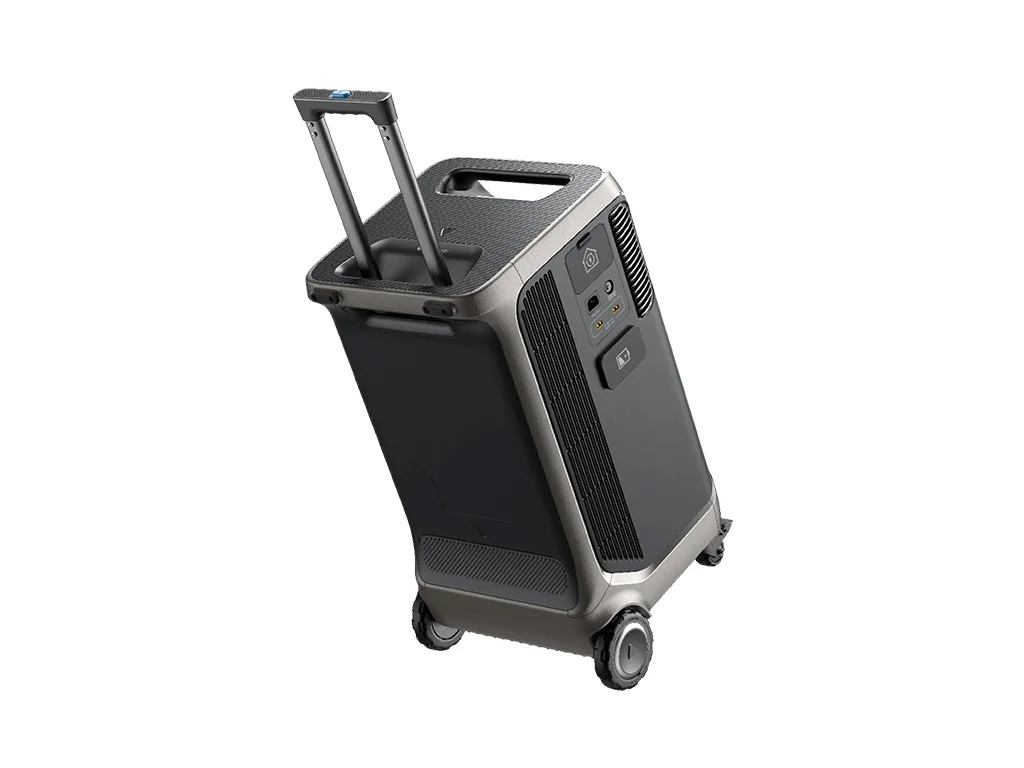
The Anker Solix F3800 weighs in at around 132lbs (60kg), while the Bluetti AC500 only weighs 66lbs (30kg). How is that possible? The Bluetti does not have an internal battery. You always have to use one extra battery pack. That means the total weight is higher, but this design gives Bluetti a leg up for RVers and campers who need flexibility without breaking their backs. You can lift the AC500 much easier than the F3800.
Portability Verdict: When it comes to portability, the Bluetti AC500 wins with its lighter weight and modular design. The Anker Solix F3800 is best suited for those who prioritize power over portability, such as for home backup or long-term off-grid setups.
| Product | Bluetti AC500 | Anker Solix F3800 |
|---|---|---|
| Weight (lbs) | 66.2lbs | 132lbs |
| Weight (kg) | 30kg | 60kg |
| Dimensions (in) | 20.5×12.8×14.1in | 27.6×15.3×15.6 in |
| Dimensions (mm) | 520x325x358mm | 702x388x395mm |

Final Verdict: Our Recommendation
After comparing the Anker Solix F3800 and the Bluetti AC500, it’s clear that both of these power stations bring unique strengths to the table. Depending on your needs, one might be a better fit than the other. Here’s a quick recap of how they stack up:
- Inverter Power and Outputs: The Anker Solix F3800 wins with its higher wattage output, making it ideal for home backup or powering heavy-duty appliances. Bluetti has the only high-amp DC output.
- Battery Capacity: The Anker’s larger capacity gives it the edge for long-term energy needs, but Bluetti still brings bigtime flexible power with add-on batteries of its own.
- Charging Speeds: The Bluetti AC500 is the clear winner here, with ultra-fast AC and solar charging options that outpace the Anker, including a much better maximum voltage for the solar input.
- Portability: Bluetti’s lighter weight and modular setup make it easier to transport, especially for RV and camping use.
| Anker F3800 | Bluetti AC500 |
|---|---|
Final Recommendation: The Anker Solix F3800 is superior for users who need maximum power storage and higher inverter output, especially for home backup or off-grid living where portability isn’t a top priority. However, the Bluetti AC500 shines for those seeking faster charging and portability, making it the better choice for RV adventures or those who want to maximize solar charging between uses.
|
|
Anker Solix F3800 |
F3800 on Anker F3800 on Amazon |
|
|
BLUETTI AC500 |
AC500 on Bluetti AC500 on Amazon |
Full Comparison Chart: Anker Solix F3800 vs. Bluetti AC500
We love showing you the real facts and this spec comparison chart of the Anker Solix F3800 and Bluetti AC500 stacks up on the most important details side by side. From battery capacity to inverter power, this chart lays out everything you need to know. It also includes links to the official user manuals if any questions persist.
| Product | Bluetti AC500 | Anker Solix F3800 |
|---|---|---|
| Battery | 3,072Wh | 3,840Wh |
| Battery (System Max) | 36,864Wh | 53,760Wh |
| AC Output | 5,000W | 6,000W |
| AC Output (System Max) | 10,000W | 12,000W |
| AC Input | 5,000W | 1,800W |
| AC Recharge Hours (Est.) | 0.7h | 2.6h |
| Solar Input | 3,000W | 2,400W |
| Solar Recharge Hours (Est.) | 1.2h | 1.9h |
| Solar Input (System Max) | 6,000W | 4,800W |
| Warranty | 4 years | 5 years |
| Weight (lbs) | 66.2lbs | 132lbs |
| Weight (kg) | 30kg | 60kg |
| Dimensions (in) | 20.5×12.8×14.1in | 27.6×15.3×15.6 in |
| Dimensions (mm) | 520x325x358mm | 702x388x395mm |
| Solar Input 1 Watts | 3000W | 1200W |
| Solar Input 1 Volts Min | 12V | 11V |
| Solar Input 1 Volts Max | 150V | 60V |
| Solar Input 1 Amps | 15A | 27A |
| Solar Input 2 Watts | – | 1200W |
| Solar Input 2 Volts Min | – | 11V |
| Solar Input 2 Volts Max | – | 60V |
| Solar Input 2 Amps | – | 27A |
| Battery Type | LiFePO4 / LFP | LiFePO4 / LFP |
| Battery Cycles | >3,500 | >3,000 |
| 120V Outlets | 6 total (3x20A; 2x30A; 1x50A) | 6x20A |
| 240V Outlets | – | 2x25A (L14-30R & 14-50) |
| UPS / EPS | 20ms | 20ms |
| USB-A Ports | 2x15W; 2x18W | 2x12W |
| USB-C Ports | 2x100W | 3x100W |
| Other DC (Anderson or other) | 30A | – |
| Cigarette Lighter | 1x240W | – |
| Wireless Charging Pad | 2x15W | – |
| Connectivity | WiFi / Bluetooth | WiFi / Bluetooth |
| User Manual | User Manual | User Manual |
| Buy Now | Buy AC500 | Buy Now |
| Buy on Amazon | Bluetti AC500 on Amazon | F3800 on Amazon |
|
|
Anker Solix F3800 |
F3800 on Anker F3800 on Amazon |
|
|
BLUETTI AC500 |
AC500 on Bluetti AC500 on Amazon |
Final Wrap Up
The Anker Solix F3800 and Bluetti AC500 are two impressive power stations ready to deliver big energy to a full home or RV. But they excel in different areas.
The Anker F3800 is perfect for those needing maximum battery capacity and higher inverter output for home backup or heavy-duty appliances. It also comes with a single-unit 240V output.
On the flip side, the Bluetti AC500 stands out with faster charging speeds and a more portable design, making it a top choice for RVers, campers, or those needing flexibility on the go. It has the high-amp DC output that’s missing from the Anker as well.
For more detailed insights, check out our in-depth review of the Anker Solix F3800 and our full breakdown of the Bluetti AC500. Or check out our other power station comparison articles:
- Bluetti Comparison Chart
- Anker Comparison Chart
- EcoFlow Delta Pro 3 vs. Anker F3800
- EcoFlow Delta Pro 3 vs. Bluetti AC500
Get the power you need and stay prepared for any adventure or emergency with the Anker Solix F3800 or Bluetti AC500 today!


